De-stress · Brain health technique
Biofeedback / Neurofeedback
Evidence grade: Context Dependent
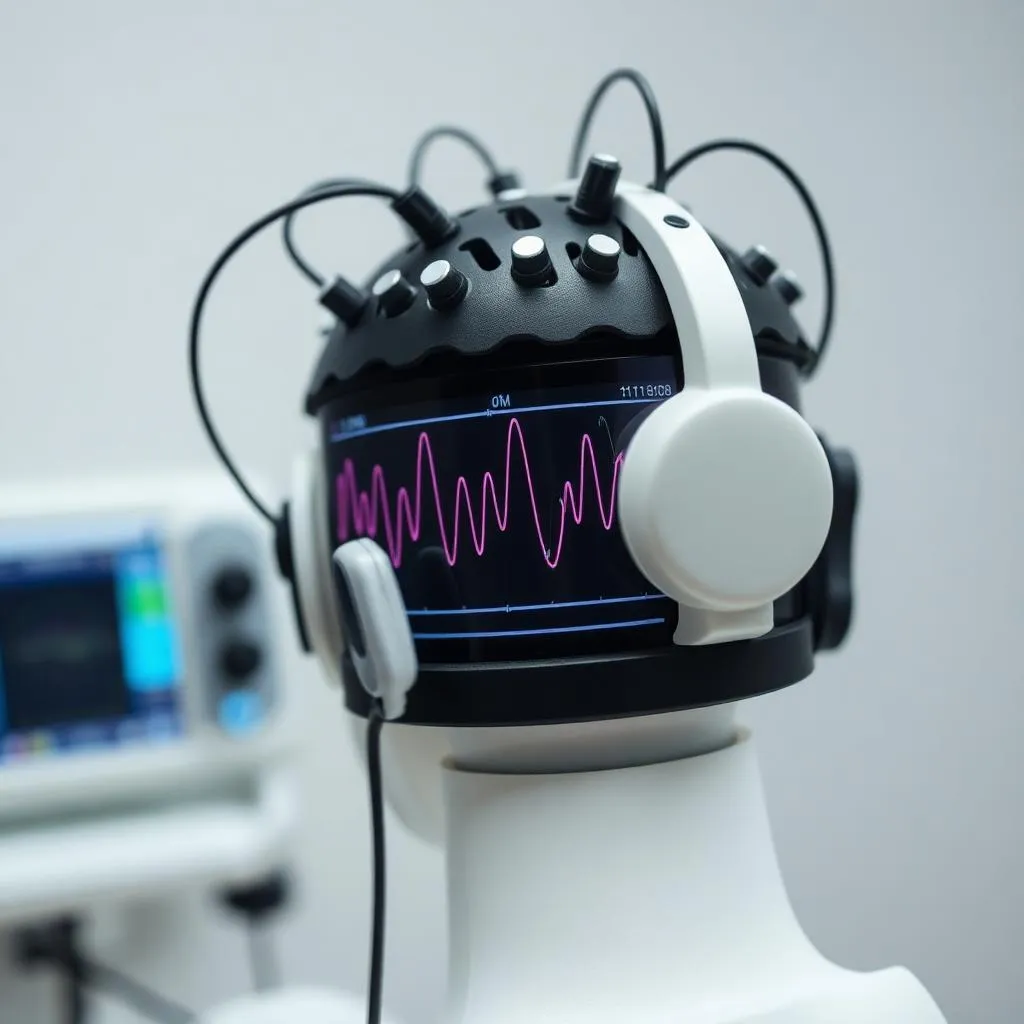
Techniques that use real-time physiological or brainwave feedback to teach voluntary regulation of stress responses, attention, or relaxation. Neurofeedback specifically provides EEG-based brainwave data for self-training.
- Practice
- De-stress
- Principle
- Restoration
- Tactic
- Clinical Therapy
- Evidence grade
- Context Dependent
- Strength of evidence
- Medium
How to practice Biofeedback / Neurofeedback
Begin with professional guidance or validated systems; aim for 10–20 sessions. Focus on one target metric (e.g., HRV, alpha/theta ratio). Use sessions as training, not treatment, benefits depend on regular practice and accurate calibration. Avoid unvalidated consumer EEG products claiming global “brain optimization.”
The evidence behind Biofeedback / Neurofeedback
Biofeedback strengthens your control over automatic body functions and improves HRV, a sign of how well your body handles stress. Neurofeedback (training with live brainwave readings) has some evidence for anxiety and insomnia, though the studies are small and results are inconsistent. Evidence is strongest for clinical conditions like these.
Impact on brain health
Neurofeedback has also been studied for ADHD, but the evidence is mixed. The live feedback is meant to help you regulate activity in your cortex, which is thought to strengthen prefrontal control networks. Evidence for general performance gains is also mixed.
Reviewed by BetterBrain's clinical advisors · Updated November 2026 · Our science
More De-stress techniques
Pair this with other habits from the same practice.
Evidence grade: Essential
Mindfulness Meditation
A structured practice of sustained, nonjudgmental awareness of present experience, typically focusing on breath, sensations, or thoughts, to reduce reactivity and enhance emotiona…

Evidence grade: Essential
Mindfulness-Based Stress Reduction (MBSR)
An 8-week structured program combining mindfulness meditation, body scanning, and gentle yoga to build awareness and reduce stress reactivity.

Evidence grade: Essential
Nature Exposure
Spending time in natural outdoor settings, parks, forests, gardens (“green”) or near water (“blue”), to reduce stress and restore cognitive and emotional balance.
Take control of your brain health
BetterBrain gives you a personalized protocol of techniques like these, backed by science and tailored to you.