
BetterBrain™ Technique Library
323 brain health techniques across 12 practices, each graded on the strength of its evidence and explained in plain English: what it is, how to practice it, and the science behind it.
Browse by practice
Organized by the same 12 practices a BetterBrain plan draws on. Each practice opens with its strongest evidence.
- 01SleepRestorative recovery35 techniques: 8 Essential, 22 Context Dependent, 3 Mixed / Unclear, 2 Weak
- 02EatBrain-healthy diet31 techniques: 12 Essential, 12 Context Dependent, 1 Experimental, 2 Mixed / Unclear, 4 Weak
- 03MoveExercise & activity13 techniques: 5 Essential, 8 Context Dependent
- 04De-stressCalm the system41 techniques: 5 Essential, 33 Context Dependent, 2 Experimental, 1 Mixed / Unclear
- 05SupplementTargeted nutrients54 techniques: 3 Essential, 36 Context Dependent, 8 Experimental, 6 Mixed / Unclear, 1 Weak
- 06RelateSocial connection25 techniques: 5 Essential, 14 Context Dependent, 3 Experimental, 3 Mixed / Unclear
- 07EnvironmentOptimize surroundings21 techniques: 2 Essential, 8 Context Dependent, 4 Experimental, 3 Mixed / Unclear, 4 Weak
- 08LearnCognitive reserve18 techniques: 2 Essential, 8 Context Dependent, 3 Experimental, 3 Mixed / Unclear, 2 Weak
- 09Moderate ToxinsReduce exposure19 techniques: 10 Essential, 4 Context Dependent, 1 Experimental, 4 Mixed / Unclear
- 10Prevent Brain DamageGuard against damage10 techniques: 6 Essential, 3 Context Dependent, 1 Mixed / Unclear
- 11TherapySpecialty care35 techniques: 30 Context Dependent, 4 Experimental, 1 Mixed / Unclear
- 12DrugsPrescription review21 techniques: 10 Context Dependent, 10 Experimental, 1 Weak
Not sure which ones fit you? A Brain Health Coach weighs these techniques against your biology, lifestyle and health history and builds an action plan with the few that will have the most impact for you.
92% of eligible clients pay $0.
Sleep
Restorative recovery
Strongest evidence
 Evidence grade: Essential
Avoid alcohol before bed
Refraining from consuming alcohol within several hours of bedtime to prevent disruption of sleep architecture and nighttime physiology.
 Evidence grade: Essential
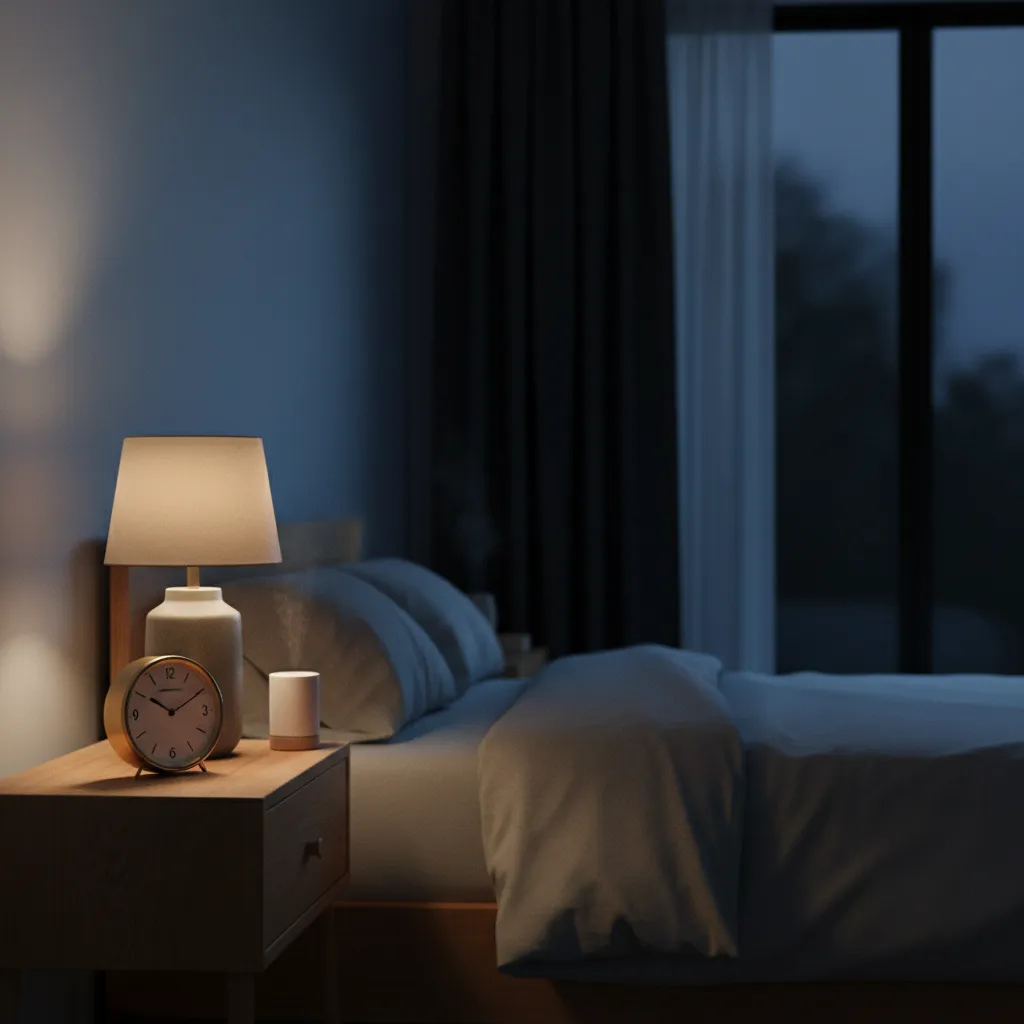
Avoid screens before bed
Limiting exposure to phones, tablets, TVs, or computers 1–2 hours before bedtime to prevent light–induced melatonin suppression and cognitive overstimulation.
 Evidence grade: Essential
Consistent bedtime and wake-up time
Going to bed and waking up at roughly the same time every day, including weekends, to align circadian rhythms and stabilize sleep–wake patterns.
Show the other 32 Sleep techniquesShow fewer
- Create a relaxing sleep environmentEvidence grade: EssentialCreate a calm, cozy environment in your room to promote relaxation and improve sleep latency.
- Daytime light exposureEvidence grade: EssentialSpending time outdoors or in bright environments during the day to strengthen circadian rhythm amplitude and promote better nighttime sleep quality.
- Get morning light exposureEvidence grade: EssentialExposing eyes to natural light soon after waking, preferably outdoor sunlight, to reinforce circadian alignment and alertness.
- Limit caffeine late in the dayEvidence grade: EssentialAvoiding coffee, tea, energy drinks, or chocolate in the afternoon or evening to prevent stimulant interference with sleep onset and depth.
- Sufficient time asleepEvidence grade: EssentialEnsuring total nightly sleep duration adequate for physiological and cognitive restoration, typically 7–9 hours for adults, allowing multiple full sleep cycles.
- Avoid daytime naps (if they disrupt night sleep)Evidence grade: Context DependentLimiting or eliminating naps, especially long or late-afternoon ones, that reduce sleep drive and delay nighttime sleep onset.
- Avoid eating before bedEvidence grade: Context DependentFinishing the final meal at least 3-5 hours before sleep to prevent metabolic and circadian interference with nighttime rest and repair processes.
- Avoid exercising right before bedEvidence grade: Context DependentRefraining from vigorous physical activity within 3-5 hours of bedtime to prevent elevated core temperature, heart rate, and cortisol from delaying sleep onset.
- Bed-cooling systemEvidence grade: Context DependentMattress pads or toppers that circulate cool water or air to lower surface temperature, counteracting heat buildup from bedding or body heat.
- Black-out shadesEvidence grade: Context DependentHeavy or opaque window coverings that block external light, especially streetlights or early morning sunlight, to preserve darkness throughout the sleep period.
- CBT-I (Cognitive Behavioral Therapy for Insomnia)Evidence grade: Context DependentA structured behavioral and cognitive program designed to treat chronic insomnia by retraining sleep habits, addressing anxiety about sleep, and re-establishing circadian alignmen…
- CPAP or other PAP devicesEvidence grade: Context DependentMachines that deliver continuous or bilevel positive airway pressure through a mask to prevent airway collapse during sleep, treating obstructive sleep apnea (OSA).
- Cold bedroomEvidence grade: Context DependentMaintaining a cool ambient temperature to assist the body’s natural nighttime drop in core temperature, facilitating sleep onset and deeper stages.
- Eliminate electronics LEDsEvidence grade: Context DependentRemoving or covering small light sources from electronic devices (chargers, alarm clocks, standby lights) to minimize blue and white light exposure during sleep.
- Hot shower, bath, or sauna before bedEvidence grade: Context DependentTaking a warm shower, bath, or brief sauna session 1–2 hours before bedtime to raise skin temperature and trigger subsequent cooling that promotes sleep onset.
- Keep feet warmEvidence grade: Context DependentUsing socks or a warm compress to gently heat feet before or during sleep, promoting peripheral vasodilation and faster cooling of core body temperature.
- Keep phone away from bedEvidence grade: Context DependentPhysically separating your phone from the bedside table, placing it in another room or across the room, to reduce blue light, mental stimulation, and habitual checking during the…
- Light therapyEvidence grade: Context DependentControlled exposure to bright light, usually from a 10,000-lux light box, for a prescribed period, typically in the morning, to shift or strengthen circadian rhythms.
- Lower-risk sleep medicationsEvidence grade: Context DependentSafer, better-studied prescription options that can support sleep onset or maintenance when behavioral and environmental measures aren’t sufficient.
- Reduce nighttime bathroom runsEvidence grade: Context DependentMinimizing nocturia (waking to urinate) through hydration timing, diet, and medical management to preserve uninterrupted sleep cycles.
- Reduce overall light exposure before bedEvidence grade: Context DependentGradually dimming indoor lighting 1–2 hours before bedtime to simulate dusk, signaling the body to transition to sleep mode.
- Relaxation practice before bedEvidence grade: Context DependentA deliberate routine, such as breathing exercises, meditation, gentle stretching, or reading, that lowers sympathetic arousal and prepares the body for sleep onset.
- Relaxation therapiesEvidence grade: Context DependentA group of methods, including mindfulness, progressive muscle relaxation, guided imagery, or breathing techniques, aimed at lowering physiological arousal before or during sleep.
- Sleep maskEvidence grade: Context DependentA comfortable eye covering that blocks ambient light to maintain darkness during sleep, especially useful for shift workers, frequent travelers, or light-polluted environments.
- Soundproof room / white noiseEvidence grade: Context DependentCreating an acoustically stable environment, via insulation, soundproofing, or use of steady background sounds like white, pink, or brown noise, to mask environmental disturbances.
- Treatment of comorbid medical conditionsEvidence grade: Context DependentIdentifying and managing health problems, such as sleep apnea, chronic pain, reflux, depression, or thyroid disease, that can fragment or shorten sleep.
- Use blue-blocking glassesEvidence grade: Context DependentWearing amber or orange-tinted glasses in the evening to filter blue wavelengths that delay melatonin onset and disrupt circadian rhythm.
- AromatherapyEvidence grade: Mixed / UnclearUse of essential oils (e.g., lavender, chamomile, bergamot) via diffusion or topical application before bed to promote relaxation and reduce pre-sleep arousal.
- Mouth tapeEvidence grade: Mixed / UnclearUsing specialized gentle adhesive tape to encourage nasal rather than mouth breathing during sleep, aiming to reduce snoring and improve oxygenation.
- Weighted blanketEvidence grade: Mixed / UnclearA heavy blanket (typically 10–15% of body weight) providing gentle, evenly distributed pressure intended to mimic deep-touch stimulation and promote calmness.
- Higher-risk or harmful sleep medicationsEvidence grade: WeakOlder sedatives and off-label drugs used for sleep, including benzodiazepines (temazepam, lorazepam), anticholinergic antihistamines (diphenhydramine, doxylamine), sedating antips…
- Moderate-risk sleep medicationsEvidence grade: WeakShort-acting “Z-drugs” (zolpidem, eszopiclone, zaleplon) that act on GABA-A receptors to promote sleep initiation, similar to benzodiazepines but with shorter duration.
Eat
Brain-healthy diet
Strongest evidence
 Evidence grade: Essential
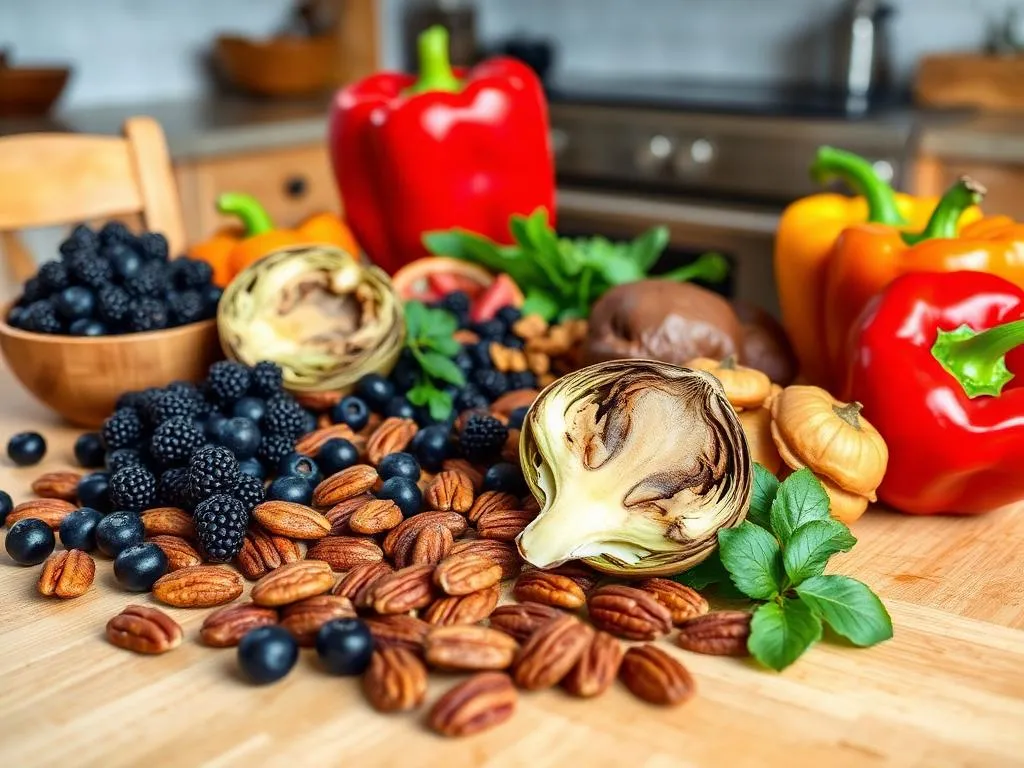
Antioxidant-rich foods
Refers to foods dense in compounds that neutralize reactive oxygen species, vitamins C and E, carotenoids, selenium, and polyphenols, found in colorful produce, nuts, seeds, whole…
 Evidence grade: Essential
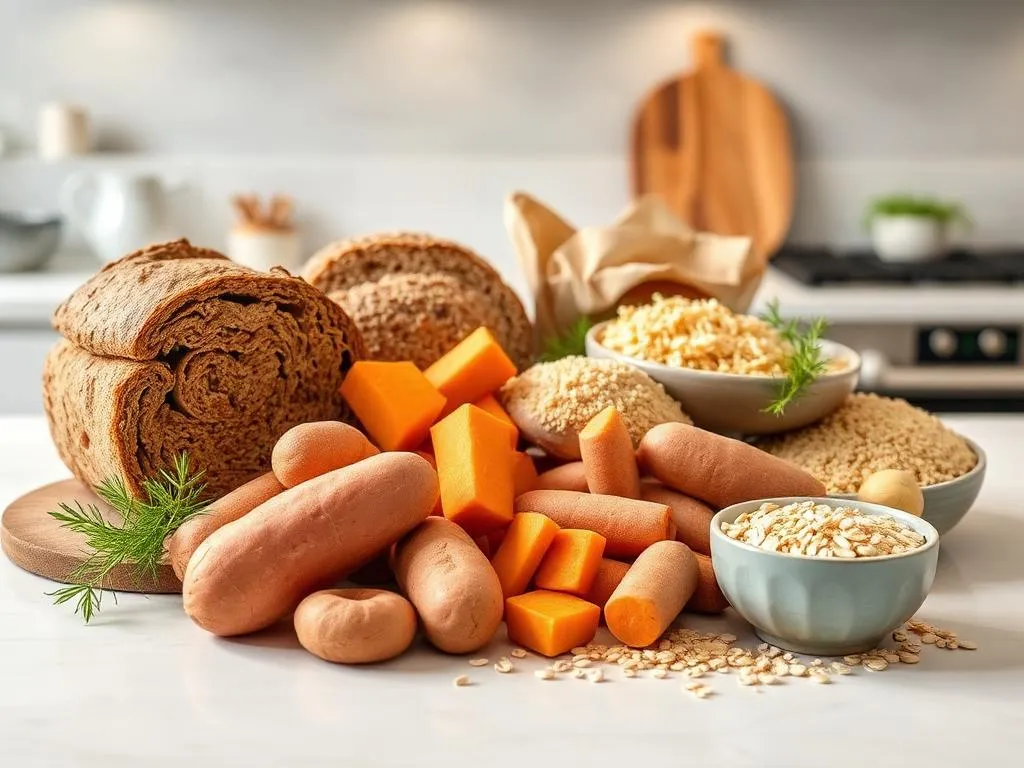
Carbohydrates
Macronutrients that supply glucose, the brain’s preferred energy source.
 Evidence grade: Essential
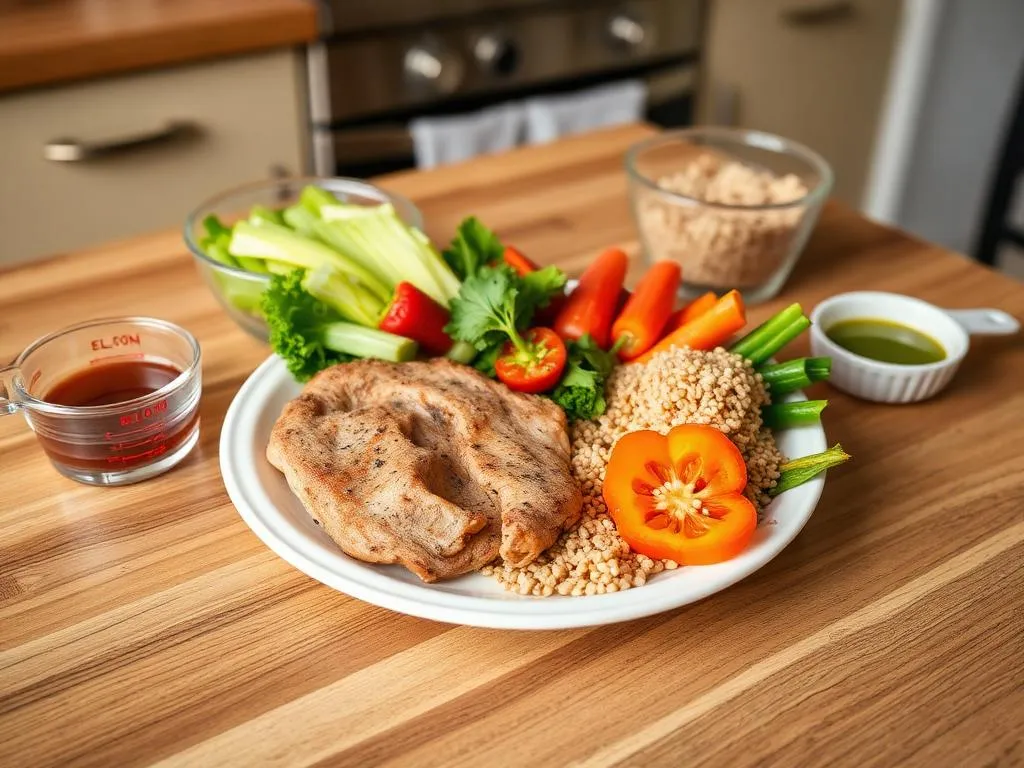
Consume appropriate calories
Matching total caloric intake to individual energy needs, neither chronically excessive nor restrictive, based on age, activity, and goals.
Show the other 28 Eat techniquesShow fewer
- Fiber-rich foodsEvidence grade: EssentialDietary fiber from vegetables, legumes, whole grains, and fruits feeds gut bacteria that produce neuroprotective short-chain fatty acids.
- Foods rich in flavonoidsEvidence grade: EssentialIncludes cocoa, vegetables, teas, and herbs that provide plant compounds such as anthocyanins, flavonols, and flavones.
- High vegetable intakeEvidence grade: EssentialConsuming a wide range of non-starchy vegetables, leafy greens, cruciferous, roots, and colorful types, in large daily quantities (typically 3–5+ cups).
- Hydration optimizationEvidence grade: EssentialMaintaining adequate water and electrolyte balance to support cellular metabolism, circulation, and brain function.
- Minimize added sugars and refined starchesEvidence grade: Essential“Added sugars” are sweeteners not naturally found in whole foods (table sugar, syrups).
- Minimize ultra-processed foods (UPF)Evidence grade: EssentialNot all processed foods are bad.
- Monounsaturated fatsEvidence grade: EssentialFats with one double bond, primarily found in olive oil, avocados, nuts, and certain seeds.
- Omega-3–rich foodsEvidence grade: EssentialFoods high in the omega-3 fatty acids EPA and DHA (found in salmon, sardines, trout, anchovies) and ALA (in flaxseed, chia, walnuts).
- ProteinEvidence grade: EssentialProvides amino acids essential for neurotransmitter synthesis, repair, and muscle maintenance.
- Anti-inflammatory dietEvidence grade: Context DependentA broad eating pattern emphasizing foods that reduce systemic inflammation, colorful fruits and vegetables, fatty fish, olive oil, nuts, whole grains, and herbs, while limiting pr…
- Blueberry anthocyaninsEvidence grade: Context DependentThe deep blue-purple pigments in blueberries that act as powerful antioxidants and anti-inflammatory compounds in the brain.
- Caffeinated beveragesEvidence grade: Context DependentDrinks containing caffeine, coffee, tea, and some cocoa, acting as mild central nervous system stimulants.
- Fermented foodsEvidence grade: Context DependentFoods produced through microbial fermentation such as yogurt, kefir, sauerkraut, kimchi, miso, tempeh, and kombucha.
- Iron-rich foodsEvidence grade: Context DependentIron from foods such as animal sources (red meat, liver, shellfish) and plant sources (spinach, lentils, tofu).
- Ketogenic dietEvidence grade: Context DependentA very low-carbohydrate, high-fat diet that shifts metabolism from glucose to ketone bodies as the main energy source.
- Low-glycemic / glucose-stabilizing dietEvidence grade: Context DependentA diet that limits foods causing rapid spikes in blood sugar, emphasizing whole grains, legumes, vegetables, lean proteins, and healthy fats while minimizing refined starches, sug…
- MIND dietEvidence grade: Context DependentA hybrid of the Mediterranean and DASH diets designed specifically for brain health.
- Mediterranean dietEvidence grade: Context DependentA balanced eating pattern based on traditional diets of Southern Europe.
- Moderate saturated and trans fatsEvidence grade: Context DependentSaturated fat is found mainly in butter, cheese, fatty cuts of meat, and tropical oils.
- Resistant starchesEvidence grade: Context DependentStarches found in green bananas, cooked-and-cooled potatoes, rice, and legumes that pass through the small intestine undigested.
- Time-restricted feedingEvidence grade: Context DependentAlso known as "intermitting fasting", this involves eating all daily calories within a defined window, typically 8–12 hours, and fasting the remaining hours.
- Intermittent carbohydrate cyclingEvidence grade: ExperimentalAlternating between higher- and lower-carbohydrate days, often syncing with exercise intensity or activity level.
- Carnivore dietEvidence grade: Mixed / UnclearA diet composed almost entirely of animal-based foods, typically red meat, poultry, fish, eggs, and sometimes dairy, while excluding nearly all plant foods.
- Water fastingEvidence grade: Mixed / UnclearAbstaining from all food and caloric beverages for 24 hours or longer while consuming only water.
- Dry fastingEvidence grade: WeakA practice that eliminates both food and water for set periods, sometimes 12–72 hours, claiming faster “detox” or fat loss.
- Eat-for-your-blood-type dietEvidence grade: WeakA fad diet claiming that people with blood types A, B, AB, or O should eat specific foods to match ancestral patterns, such as Type O emphasizing meat and Type A favoring plants,…
- Low-fat dietEvidence grade: WeakA dietary approach that limits total fat, especially saturated fat, to around 20–30% of calories, emphasizing grains, fruits, vegetables, and lean proteins while minimizing oils,…
- Raw food dietEvidence grade: WeakA regimen emphasizing uncooked and unprocessed plant foods, fruits, vegetables, nuts, seeds, and sprouts, based on the idea that heat destroys beneficial enzymes and nutrients.
Move
Exercise & activity
Strongest evidence
 Evidence grade: Essential
Aerobic cardio training
Sustained rhythmic exercise—like walking, cycling, swimming, or running—that raises heart rate and breathing while using oxygen efficiently for energy production.
 Evidence grade: Essential
Daily movement
Any consistent physical activity performed throughout the day—walking, stretching, chores, or standing breaks—that keeps the body in motion and circulation active.
 Evidence grade: Essential
Mobility and stability training
Exercises that enhance joint range of motion, muscular control, and postural balance—combining stretching, dynamic movement, and stabilizing strength work (e.g., yoga flows, contr…
Show the other 10 Move techniquesShow fewer
- Movement outdoorsEvidence grade: EssentialPhysical activity performed outside—such as walking, hiking, or gardening—combining exercise with natural light exposure, fresh air, and sensory stimulation.
- Strength trainingEvidence grade: EssentialStructured resistance exercise using body weight, free weights, machines, or bands to build muscle, bone density, and neuromuscular control.
- DanceEvidence grade: Context DependentRhythmic, coordinated movement to music that combines physical activity with cognitive, emotional, and social engagement.
- Exercise snacksEvidence grade: Context DependentShort bouts of physical activity (e.g., 1–5 minutes each) performed several times per day—such as brisk stair climbs, squats, or pushups—to improve circulation and metabolism with…
- High intensity interval trainingEvidence grade: Context DependentShort bursts of near-maximal effort followed by rest—examples include sprinting, HIIT circuits, or uphill intervals.
- High-intensity sportsEvidence grade: Context DependentActivities involving bursts of near-maximal effort and dynamic movements, such as soccer, basketball, tennis, or interval running.
- Integrated trainingEvidence grade: Context DependentTraining that blends multiple physical domains—strength, mobility, coordination, agility, and balance—into unified movement patterns.
- Low-impact sportsEvidence grade: Context DependentActivities minimizing joint stress while promoting strength and flexibility—such as yoga, Pilates, tai chi, and aquatic exercise.
- Mind–body coordination trainingEvidence grade: Context DependentPractices that synchronize physical movement with cognitive or sensory input—such as tai chi, qigong, martial arts, yoga, or dance-based flow routines.
- Moderate-intensity sportsEvidence grade: Context DependentContinuous activities such as cycling, swimming, brisk walking, or hiking that elevate heart rate but allow sustained conversation.
De-stress
Calm the system
Strongest evidence
 Evidence grade: Essential
Mindfulness Meditation
A structured practice of sustained, nonjudgmental awareness of present experience, typically focusing on breath, sensations, or thoughts, to reduce reactivity and enhance emotiona…
 Evidence grade: Essential
Mindfulness-Based Stress Reduction (MBSR)
An 8-week structured program combining mindfulness meditation, body scanning, and gentle yoga to build awareness and reduce stress reactivity.
 Evidence grade: Essential
Nature Exposure
Spending time in natural outdoor settings, parks, forests, gardens (“green”) or near water (“blue”), to reduce stress and restore cognitive and emotional balance.
Show the other 38 De-stress techniquesShow fewer
- Slow / Deep BreathingEvidence grade: EssentialIntentional breathing practices, such as diaphragmatic breathing, box breathing, or 4-7-8 technique, that slow respiration to around 4–6 breaths per minute, stimulating relaxation…
- Social Support & ConnectionEvidence grade: EssentialMaintaining close, trusting relationships and having people to rely on for emotional, practical, or informational support during stress.
- Acceptance and Commitment Therapy (ACT)Evidence grade: Context DependentA psychological approach that promotes acceptance of internal experiences and commitment to actions aligned with personal values, using mindfulness and cognitive defusion techniqu…
- AshwagandhaEvidence grade: Context DependentAn adaptogenic herb (Withania somnifera) used in Ayurvedic medicine to reduce stress, improve sleep, and balance cortisol levels.
- BiofeedbackEvidence grade: Context DependentUse of sensors (e.g., for heart rate, muscle tension, skin temperature, or brainwaves) to provide real-time feedback so users can learn to consciously regulate physiological stres…
- Biofeedback / NeurofeedbackEvidence grade: Context DependentTechniques that use real-time physiological or brainwave feedback to teach voluntary regulation of stress responses, attention, or relaxation.
- Cognitive Behavioral Therapy (CBT)Evidence grade: Context DependentA structured psychotherapy for modifying unhelpful thoughts and behaviors that drive anxiety, depression, or chronic stress, key risk factors for poor sleep and cognitive decline.
- Community ParticipationEvidence grade: Context DependentRegular engagement in community groups, civic volunteering, or collective projects that create purpose and belonging beyond the individual level.
- Creative or Relaxing HobbiesEvidence grade: Context DependentEngaging in enjoyable, low-pressure activities, art, gardening, crafts, music, or cooking, that foster focus and flow while lowering stress hormones.
- Dialectical Behavior Therapy (DBT)Evidence grade: Context DependentA structured form of cognitive-behavioral therapy combining mindfulness, emotion regulation, distress tolerance, and interpersonal effectiveness skills, originally developed for h…
- Digital & Information HygieneEvidence grade: Context DependentManaging digital exposure, screen time, news, social media, and notifications, to reduce cognitive overload, emotional reactivity, and stress-related sleep disruption.
- Digital Downtime / Tech DetoxEvidence grade: Context DependentIntentional, time-limited disconnection from digital devices and online media to restore attention, reduce cognitive overload, and lower stress.
- EMDR (Eye Movement Desensitization and Reprocessing)Evidence grade: Context DependentA structured psychotherapy using bilateral stimulation (eye movements, taps, or sounds) while recalling distressing memories to reduce their emotional intensity and reprocess asso…
- Environmental Design for CalmEvidence grade: Context DependentStructuring indoor spaces, lighting, color, materials, air quality, and organization, to create an atmosphere that promotes relaxation and mental clarity.
- Gratitude PracticeEvidence grade: Context DependentRegularly reflecting on or expressing appreciation for positive aspects of life, through journaling, verbal thanks, or mental acknowledgment.
- Group-Based Relaxation or TherapyEvidence grade: Context DependentParticipating in guided group sessions for stress reduction, such as mindfulness classes, yoga groups, or supportive therapy circles, that combine social contact with relaxation o…
- Healthy Boundary SettingEvidence grade: Context DependentClearly defining limits in work, relationships, and commitments to prevent chronic stress, emotional fatigue, and loss of autonomy.
- Heart-Rate Variability (HRV) TrainingEvidence grade: Context DependentA biofeedback-based breathing technique that teaches users to breathe at their personal resonance frequency (usually ~6 breaths/min) to maximize HRV and autonomic flexibility.
- Journaling / Expressive WritingEvidence grade: Context DependentWriting about personal experiences, emotions, or reflections, either structured or freeform, to process stress and improve clarity.
- Journaling for Problem-SolvingEvidence grade: Context DependentWriting aimed at clarifying specific challenges, brainstorming solutions, and planning next actions, distinct from emotional venting or gratitude journaling.
- Massage or BodyworkEvidence grade: Context DependentTherapeutic touch involving manual manipulation of muscles and soft tissues to reduce tension, enhance circulation, and promote relaxation.
- Micro-Breaks & PacingEvidence grade: Context DependentTaking brief pauses (1–5 minutes) during focused work to reset attention, stretch, or breathe, maintaining cognitive endurance and emotional balance.
- Music or Sound TherapyEvidence grade: Context DependentListening to structured or personalized music to induce relaxation or regulate mood; may include guided sound baths or rhythmic entrainment practices.
- Pet Interaction or Animal TherapyEvidence grade: Context DependentRegular interaction with pets (e.g., dogs, cats) or structured animal-assisted therapy using trained animals to reduce stress and foster emotional connection.
- Pharmacologic Therapies (Low-Risk)Evidence grade: Context DependentShort-term or maintenance use of medications such as SSRIs, SNRIs, beta-blockers, or buspirone prescribed for chronic anxiety or stress-related disorders.
- Positive Psychology TechniquesEvidence grade: Context DependentStructured exercises (e.g., “three good things,” acts of kindness, savoring) designed to enhance positive emotion, meaning, and engagement rather than only reduce stress.
- Progressive Muscle Relaxation (PMR)Evidence grade: Context DependentA guided practice that involves systematically tensing and relaxing muscle groups from head to toe to reduce physical tension and promote relaxation awareness.
- Reduce Environmental Noise & ClutterEvidence grade: Context DependentCreating a calm, organized, and quiet living or work space to minimize sensory overload and cognitive fatigue.
- Rest Breaks / Power NapsEvidence grade: Context DependentShort periods of rest or light sleep (typically 10–30 minutes) taken during the day to restore alertness and reduce stress, without interfering with nighttime sleep.
- Sauna / Heat TherapyEvidence grade: Context DependentPeriodic use of dry or steam heat (e.g., Finnish sauna, infrared sauna) to raise core body temperature and induce controlled hyperthermia, followed by gradual cooling.
- Self-Compassion / Acceptance TrainingEvidence grade: Context DependentPractices that cultivate kindness toward oneself, mindful awareness of suffering, and nonjudgmental acceptance of emotion, often based on compassion-focused or ACT (Acceptance and…
- Time Management & PrioritizationEvidence grade: Context DependentUsing structured planning (e.g., task lists, time blocking, Eisenhower matrix) to allocate energy toward high-value tasks and reduce overwhelm.
- Visualization / Guided ImageryEvidence grade: Context DependentUsing mental imagery, often led by an instructor or recording, to evoke calming scenes or successful outcomes, lowering stress and enhancing emotional regulation.
- Work–Life Boundary SettingEvidence grade: Context DependentEstablishing clear limits between professional and personal time, defining when and where work occurs, to prevent chronic stress and cognitive fatigue.
- Yoga / Tai Chi / QigongEvidence grade: Context DependentMovement-based mind–body practices that integrate gentle physical postures, breath control, and focused attention to reduce stress and improve bodily awareness.
- Cold Exposure (Ice Bath / Cold-Water Immersion)Evidence grade: ExperimentalImmersing most of the body, typically up to the shoulders, in cold water (40–59°F / 10–15°C) for a few minutes to induce controlled thermal stress, aiming to improve recovery, moo…
- Psychedelic-Assisted Therapy (Clinical Trials)Evidence grade: ExperimentalControlled, therapist-guided sessions using agents such as psilocybin or MDMA to process trauma, anxiety, or existential distress under medical supervision.
- Pharmacologic Therapies (Higher-Risk / Sedative)Evidence grade: Mixed / UnclearShort-term use of benzodiazepines or hypnotics (e.g., lorazepam, temazepam, zolpidem) for acute anxiety or insomnia relief.
Supplement
Targeted nutrients
Strongest evidence
 Evidence grade: Essential
Creatine
A naturally occurring compound made from amino acids that supports energy production in cells by replenishing ATP stores.
- Evidence grade: Essential
Omega-3 (fish oil)
Supplements providing the long-chain omega-3 fatty acids EPA and DHA, typically from fish or algae oil.
- Evidence grade: Essential
Vitamin D
A fat-soluble vitamin acting as a hormone that influences calcium balance, immune function, and brain signaling.
Show the other 51 Supplement techniquesShow fewer
- 5-HTP (5-hydroxytryptophan)Evidence grade: Context DependentA direct precursor to serotonin derived from the African plant Griffonia simplicifolia.
- Acetyl-L-carnitine (ALCAR)Evidence grade: Context DependentA brain-penetrant form of carnitine that supports mitochondrial energy production and acetylcholine synthesis.
- Alpha-lipoic acid (ALA)Evidence grade: Context DependentA naturally occurring antioxidant and mitochondrial cofactor found in small amounts in spinach, broccoli, and organ meats.
- ApigeninEvidence grade: Context DependentA flavonoid found in chamomile, parsley, celery, and citrus fruits, sometimes used as a supplement for its calming, antioxidant, and hormone-modulating effects.
- BerberineEvidence grade: Context DependentA plant alkaloid extracted from barberry and other herbs that activates AMPK, improving glucose and lipid metabolism.
- CholineEvidence grade: Context DependentAn essential nutrient used to synthesize acetylcholine (a key neurotransmitter) and phosphatidylcholine (a major membrane component).
- CoQ10Evidence grade: Context DependentA fat-soluble compound involved in mitochondrial energy production and antioxidant defense.
- ElectrolytesEvidence grade: Context DependentEssential minerals, sodium, potassium, magnesium, and chloride, that regulate hydration, nerve transmission, and muscle contraction.
- FlavonolsEvidence grade: Context DependentA subclass of flavonoids found in foods like cocoa, tea, apples, onions, and berries.
- Folate (methylated)Evidence grade: Context DependentThe biologically active form of vitamin B9 (5-MTHF) involved in DNA synthesis, methylation, and neurotransmitter production.
- Ginkgo bilobaEvidence grade: Context DependentAn extract from the leaves of the ginkgo tree standardized for flavone glycosides and terpene lactones.
- GlycineEvidence grade: Context DependentA simple amino acid that serves as both a neurotransmitter and a precursor for glutathione and collagen.
- Green tea extract (EGCG)Evidence grade: Context DependentA concentrated form of green tea catechins, especially epigallocatechin gallate (EGCG), that act as antioxidants and metabolic regulators.
- IronEvidence grade: Context DependentA critical mineral for oxygen transport and energy production.
- L-citrullineEvidence grade: Context DependentAn amino acid that boosts nitric oxide (NO) production by increasing arginine availability, improving blood flow and nutrient delivery.
- L-theanineEvidence grade: Context DependentAn amino acid naturally found in green tea that promotes relaxation without sedation.
- LavenderEvidence grade: Context DependentA flowering plant whose essential oils and oral extracts (e.g., Silexan) are used for relaxation, anxiety relief, and sleep improvement.
- Magnesium glycinateEvidence grade: Context DependentA highly bioavailable form of magnesium bound to glycine, known for supporting relaxation, nerve function, and sleep.
- MelatoninEvidence grade: Context DependentA hormone produced by the pineal gland that regulates circadian rhythms and sleep–wake timing.
- Methylated B vitaminsEvidence grade: Context DependentActive, coenzyme forms of folate (5-MTHF), B12 (methylcobalamin), and B6 (P5P) used to support methylation pathways critical for neurotransmitter synthesis, myelination, and homoc…
- N-Acetylcysteine (NAC)Evidence grade: Context DependentA stable form of the amino acid cysteine that boosts glutathione, the body’s main antioxidant.
- PhosphatidylserineEvidence grade: Context DependentA phospholipid found in cell membranes, especially abundant in the brain.
- PolyphenolsEvidence grade: Context DependentA diverse group of plant compounds, including flavonoids, phenolic acids, and stilbenes, found in fruits, vegetables, tea, coffee, cocoa, and herbs.
- PrebioticsEvidence grade: Context DependentNon-digestible fibers (e.g., inulin, FOS, GOS, resistant starch) that selectively feed beneficial gut bacteria, promoting production of short-chain fatty acids (SCFAs) such as but…
- ProbioticsEvidence grade: Context DependentLive microorganisms, most often Lactobacillus, Bifidobacterium, and Saccharomyces strains, that, when taken in adequate amounts, support a balanced gut microbiome and influence di…
- Psyllium huskEvidence grade: Context DependentA soluble fiber from Plantago ovata seeds that forms a gel in the gut, feeding bacteria that produce brain-supportive fatty acids.
- QuercetinEvidence grade: Context DependentA flavonol antioxidant naturally found in apples, onions, and capers, available as supplements often combined with bromelain or vitamin C for absorption.
- R-lipoic acidEvidence grade: Context DependentThe more bioactive “R” form of alpha-lipoic acid, a mitochondrial cofactor and antioxidant that regenerates other antioxidants (vitamins C and E) and improves glucose metabolism.
- Rhodiola roseaEvidence grade: Context DependentAn adaptogenic herb native to cold regions that helps the body adapt to physical and emotional stress.
- SaffronEvidence grade: Context DependentA spice derived from Crocus sativus stigmas, rich in bioactive carotenoids (crocin, safranal) that influence serotonin and antioxidant pathways.
- Sulforaphane (broccoli extract)Evidence grade: Context DependentA bioactive compound formed when cruciferous vegetables, especially broccoli sprouts, are chopped or chewed.
- Theracurmin (enhanced curcumin)Evidence grade: Context DependentA patented, nanoparticle form of curcumin from turmeric designed for higher absorption than standard extracts.
- Valerian rootEvidence grade: Context DependentA traditional herbal sedative derived from Valeriana officinalis root extract, used for insomnia and anxiety.
- Vitamin K2Evidence grade: Context DependentA fat-soluble vitamin found in animal and fermented foods (e.g., cheese, egg yolks, natto).
- ZincEvidence grade: Context DependentAn essential trace mineral involved in hundreds of enzymatic reactions, supporting DNA repair, neurotransmission, and immune balance.
- Zinc carnosineEvidence grade: Context DependentA chelated compound of zinc and the dipeptide L-carnosine designed to enhance mucosal healing and antioxidant activity in the gut.
- AstaxanthinEvidence grade: ExperimentalA red-orange carotenoid antioxidant found in microalgae and seafood (salmon, krill).
- Butyrate supplementsEvidence grade: ExperimentalOral forms of butyric acid (often as sodium, calcium, or tributyrin salts) intended to replicate the effects of microbial short-chain fatty acid production in the colon.
- Exogenous ketonesEvidence grade: ExperimentalSupplemental ketone salts or esters designed to raise blood ketone levels without carbohydrate restriction.
- Huperzine AEvidence grade: ExperimentalA naturally derived compound from the Chinese club moss Huperzia serrata.
- NMN (nicotinamide mononucleotide)Evidence grade: ExperimentalA NAD⁺ precursor one metabolic step closer than NR.
- Nicotinamide riboside (NR)Evidence grade: ExperimentalA form of vitamin B3 that serves as a precursor to NAD⁺, a molecule essential for cellular energy metabolism, DNA repair, and mitochondrial function.
- PQQ (pyrroloquinoline quinone)Evidence grade: ExperimentalA redox-active compound found in trace amounts in kiwi, soy, and green tea that supports mitochondrial biogenesis and antioxidant defense.
- PostbioticsEvidence grade: ExperimentalBioactive compounds produced by probiotic fermentation, such as short-chain fatty acids (butyrate, acetate), enzymes, peptides, and cell wall fragments, that deliver health benefi…
- D-riboseEvidence grade: Mixed / UnclearA naturally occurring sugar that forms the backbone of ATP, DNA, and RNA.
- GABA (gamma-aminobutyric acid)Evidence grade: Mixed / UnclearThe brain’s primary inhibitory neurotransmitter, responsible for calming neural activity.
- GlutathioneEvidence grade: Mixed / UnclearThe body’s master antioxidant composed of cysteine, glycine, and glutamate.
- MultivitaminEvidence grade: Mixed / UnclearBroad-spectrum supplements containing a mix of vitamins and minerals, designed to fill common dietary gaps.
- NicotineEvidence grade: Mixed / UnclearA cholinergic stimulant that binds nicotinic acetylcholine receptors, enhancing alertness, attention, and memory in the short term.
- Vitamin E (high-dose)Evidence grade: Mixed / UnclearA fat-soluble antioxidant family (tocopherols and tocotrienols) protecting cell membranes from oxidative damage.
- ResveratrolEvidence grade: WeakA polyphenol found in red grapes, berries, and peanuts.
Relate
Social connection
Strongest evidence
 Evidence grade: Essential
Build or strengthen social skills
Developing empathy, listening, communication, and conflict-resolution abilities that improve connection and trust across relationships.
 Evidence grade: Essential
Express gratitude and appreciation
The deliberate practice of acknowledging and verbalizing thanks, privately or to others, for actions, relationships, or experiences that have positive meaning.
 Evidence grade: Essential
Healthy digital engagement
Using social media, texting, and digital communities intentionally, to inform, connect, and support, while minimizing doom-scrolling, comparison, or passive consumption.
Show the other 22 Relate techniquesShow fewer
- Limit unhealthy relationshipsEvidence grade: EssentialReducing contact with individuals or environments that consistently produce stress, conflict, or emotional drain.
- Spend time with friends and familyEvidence grade: EssentialRegular, meaningful interaction with people you trust and care about.
- Advocate for causes you believe inEvidence grade: Context DependentConstructive participation in civic or community efforts, policy engagement, volunteering for reform, or educating others, to align personal values with collective improvement.
- Charitable donationsEvidence grade: Context DependentGiving money, goods, or other resources to support causes or communities.
- Collaborative problem-solving or gamesEvidence grade: Context DependentParticipating in cooperative puzzles, team board games, trivia, or digital strategy challenges that require coordination, memory, and shared strategy.
- Engage with spiritual communitiesEvidence grade: Context DependentParticipating in faith-based, meditation, or values-oriented groups that provide meaning, ritual, and shared moral framework, religious or secular.
- Friendship “check-in” ritualsEvidence grade: Context DependentScheduled, intentional communication, texts, calls, or meetups, to maintain friendships proactively rather than reactively.
- Join local clubs, teams, or eventsEvidence grade: Context DependentParticipating in organized community activities such as hobby clubs, sports leagues, volunteer groups, or neighborhood events that create regular, face-to-face interaction and sha…
- Mentorship and sponsorshipEvidence grade: Context DependentOngoing developmental relationships where an experienced person provides guidance (mentorship) or actively advocates for another’s advancement (sponsorship).
- PetsEvidence grade: Context DependentCaring for animals that provide companionship, structure, and physical touch, such as dogs or cats.
- Reconnect or repair relationshipsEvidence grade: Context DependentActively restoring communication and trust in relationships that have drifted or been strained.
- Regularly eat meals with othersEvidence grade: Context DependentSharing meals, at home, work, or socially, creates routine face-to-face connection and reinforces emotional bonds.
- Sexual intimacyEvidence grade: Context DependentConsensual, emotionally connected sexual activity that strengthens bonding, reduces stress, and supports emotional stability.
- Shared skill-buildingEvidence grade: Context DependentLearning new skills, languages, cooking, art, or crafts, together with others to foster collaboration, creativity, and cognitive stimulation.
- Talk to strangersEvidence grade: Context DependentBrief, friendly interactions with unfamiliar people in everyday settings, small talk, compliments, or shared observations, to increase micro-social connection.
- VolunteeringEvidence grade: Context DependentContributing time or skills to help others through organized service, mentoring, or community work, without direct financial reward.
- AI- or coach-facilitated friendship buildingEvidence grade: ExperimentalStructured programs, digital or in-person, that use guided prompts, matching algorithms, or coaching to help people form and deepen friendships through intentional conversation an…
- Group challenges or retreats focused on shared goalsEvidence grade: ExperimentalImmersive social experiences that combine physical, intellectual, or service-oriented goals with group participation and reflection.
- Virtual-reality (VR) social environmentsEvidence grade: ExperimentalImmersive, avatar-based settings that simulate in-person social contact for connection, gaming, or therapy.
- Friend appsEvidence grade: Mixed / UnclearDigital platforms that connect people for platonic friendship through shared interests, local events, or guided prompts (e.g., Bumble For Friends, Meetup).
- Random acts of kindnessEvidence grade: Mixed / UnclearSmall, spontaneous gestures that help or encourage others, offering assistance, compliments, or brief generosity, without expectation of reward.
- Social prescribing programsEvidence grade: Mixed / UnclearHealthcare or community initiatives linking people to social or volunteer activities to combat isolation.
Environment
Optimize surroundings
Strongest evidence
 Evidence grade: Essential
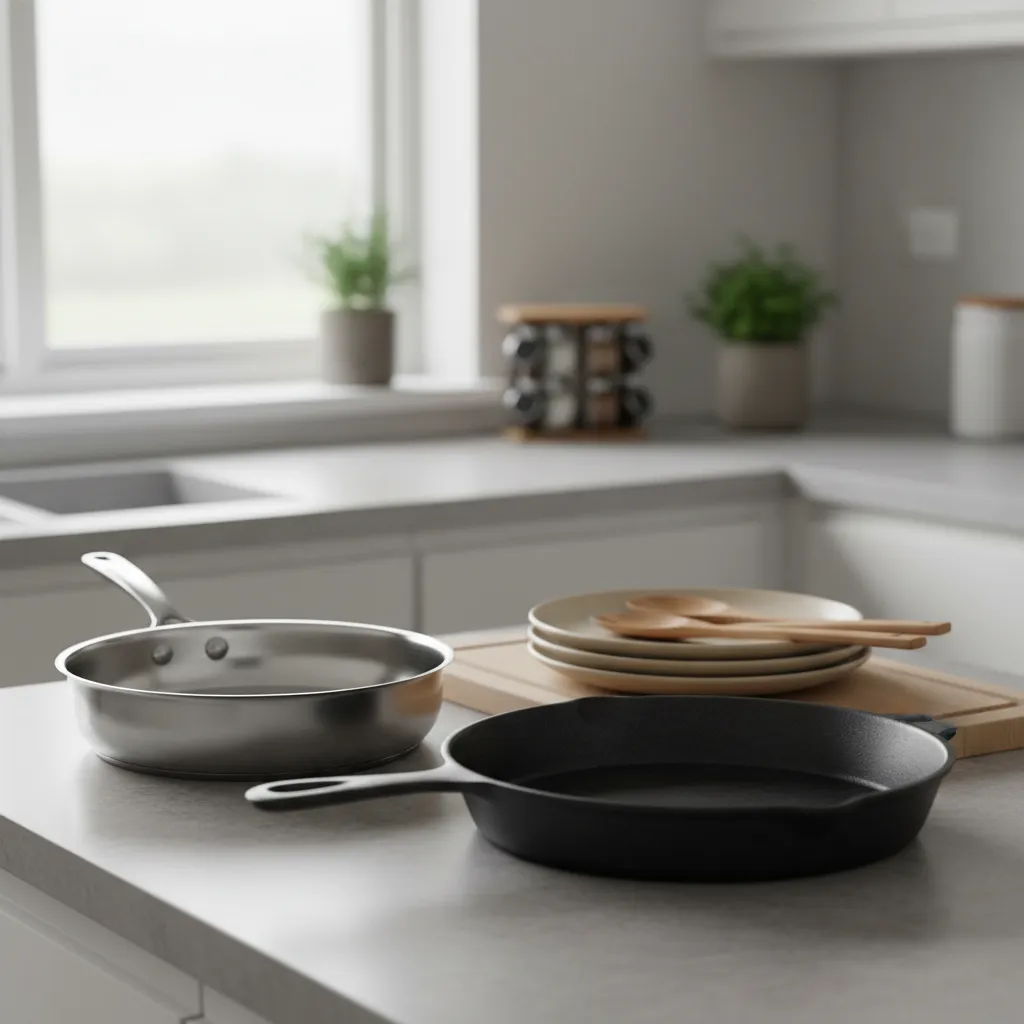
Avoid Non-stick (PFAS-based) Cookware
Use stainless, ceramic, or cast iron instead of Teflon-type coatings.
 Evidence grade: Essential
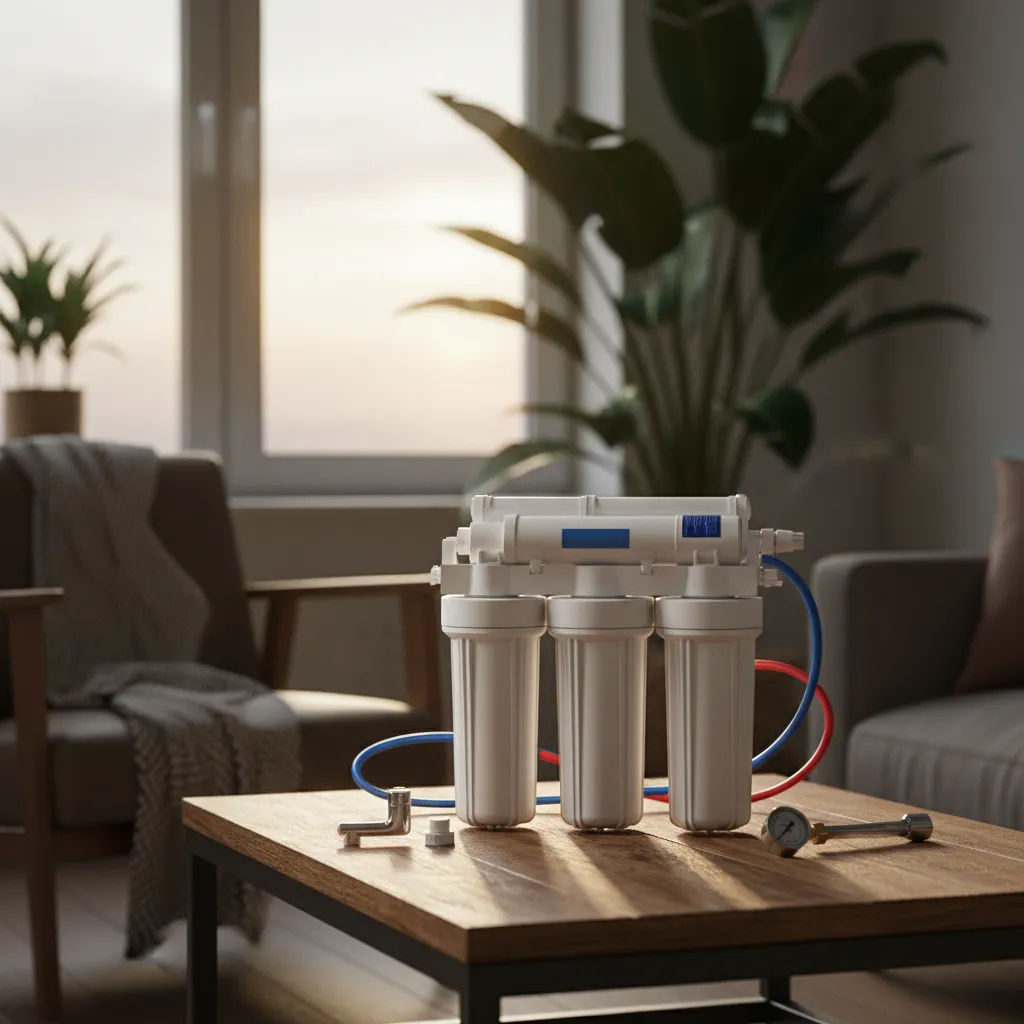
Reverse Osmosis (RO) Filtration
Under-sink or whole-home RO systems with carbon pre-filter.
 Evidence grade: Context Dependent
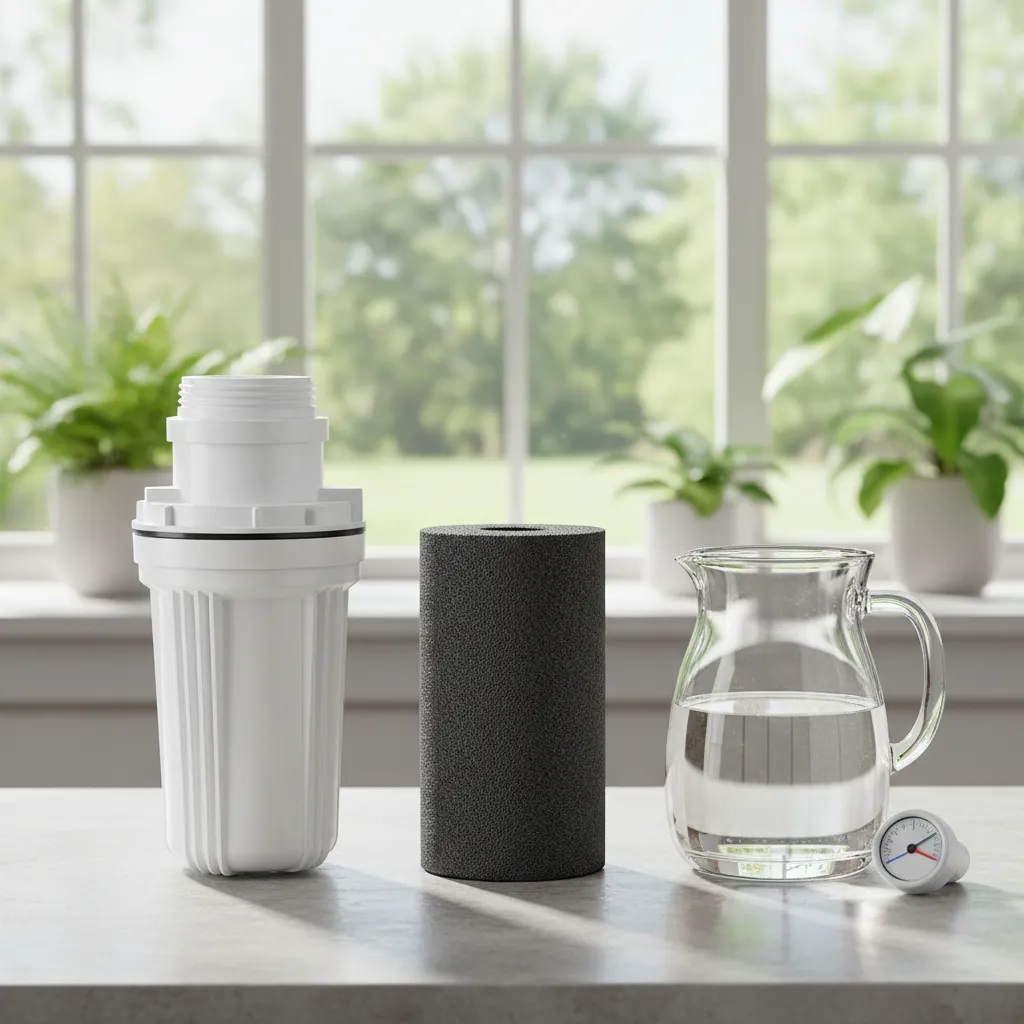
Activated Carbon Block Filter
Countertop or inline carbon blocks for organic chemical reduction.
Show the other 18 Environment techniquesShow fewer
- Avoid or strongly reduce indoor combustion sourcesEvidence grade: Context DependentGas ranges, ovens, candles, incense, unvented heaters, and wood-burning fireplaces emit nitrogen dioxide (NO₂), carbon monoxide (CO), and ultrafine soot.
- Control indoor humidityEvidence grade: Context DependentMaintaining moderate relative humidity via humidifiers or dehumidifiers to reduce dust mites, mold, and pathogen persistence.
- Energy/heat-recovery ventilation (ERV/HRV)Evidence grade: Context DependentWhole-home mechanical ventilation that exchanges stale indoor air for filtered outdoor air while transferring heat (and, with ERV, moisture) between the airstreams to keep comfort…
- Low- or No-VOC Paints, Sealants, AdhesivesEvidence grade: Context DependentCertified low-emission (e.g., GreenGuard Gold) building materials.
- MERV-13 or higher HVAC filtersEvidence grade: Context DependentCentral forced-air systems that use MERV 13–16 filters instead of the common MERV 8.
- Natural ventilationEvidence grade: Context DependentRegularly replacing indoor air with outdoor air through windows, vents, or exhaust fans to lower carbon dioxide (CO₂), volatile organic compounds (VOCs), and indoor humidity.
- Use HEPA + activated-carbon air filtrationEvidence grade: Context DependentPortable or whole-home systems that draw room air through a true HEPA filter (captures > 99 % of particles ≥ 0.3 µm, including PM₂.₅, spores, pollen, smoke) and an activated-carbo…
- Glass or Stainless-Steel StorageEvidence grade: ExperimentalReplace plastic bottles and jugs with inert materials.
- HEPA Vacuuming + Damp MoppingEvidence grade: ExperimentalWeekly cleaning with sealed HEPA vacuums and microfiber mops.
- Natural Fiber & Solid-Wood FurnishingsEvidence grade: ExperimentalWool, cotton, or linen upholstery; solid hardwood without flame retardants.
- UV-C disinfection in HVAC systemsEvidence grade: ExperimentalUV-C lamps (≈254 nm) mounted near coils/inside ducts to kill microbes on wet surfaces or in air passing close to the lamp.
- Ionization or “plasma” air cleanersEvidence grade: Mixed / UnclearDevices claiming to clean air using ions, cold plasma, or electrostatic fields.
- Photocatalytic oxidation (PCO) devicesEvidence grade: Mixed / UnclearUnits using UV light and titanium dioxide (TiO₂) catalysts to oxidize VOCs into simpler compounds.
- Unscented, Non-Aerosol Cleaning AgentsEvidence grade: Mixed / UnclearVinegar, baking soda, or fragrance-free detergents.
- Essential-oil diffusers marketed as air purifiersEvidence grade: WeakUltrasonic or heat diffusers that aerosolize volatile plant oils (e.g., lavender, eucalyptus, tea tree).
- Houseplants for air purificationEvidence grade: WeakBased on 1980s NASA experiments in small sealed chambers showing certain plants absorbed VOCs (e.g., formaldehyde, benzene).
- Ozone-generating “air purifiers”Evidence grade: WeakDevices that intentionally produce ozone (sometimes marketed as ion/ozone “fresheners” or “shock” sanitizers) to neutralize odors and microbes.
- Passive sorbents (charcoal or zeolite bags)Evidence grade: WeakSmall pouches of activated carbon, bamboo charcoal, or natural zeolite minerals that adsorb odors and small amounts of VOCs in confined spaces like closets, cars, or refrigerators.
Learn
Cognitive reserve
Strongest evidence
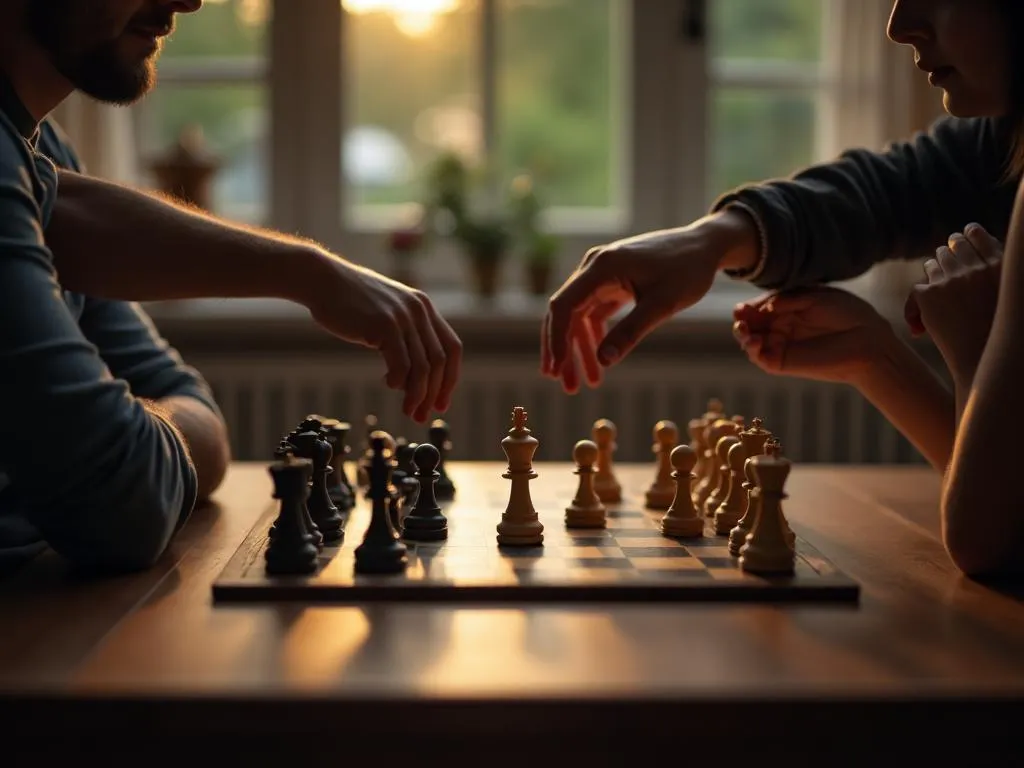 Evidence grade: Essential
Cognitively engaging hobbies
Leisure activities that demand active thinking, planning, and skill refinement, such as chess, bridge, gardening, cooking from recipes, or photography, requiring sustained attenti…
 Evidence grade: Essential
Reading
Purposeful engagement with written text, books, articles, or other materials, that requires sustained attention, comprehension, and reflection.
 Evidence grade: Context Dependent
Continued education
Formal or informal learning beyond compulsory schooling, college courses, online classes, certifications, or community workshops, that require acquiring new, complex knowledge.
Show the other 15 Learn techniquesShow fewer
- Dual-task or embodied learningEvidence grade: Context DependentLearning or training that pairs mental and physical components, e.g., dance choreography, martial arts, or balancing while performing cognitive tasks, to integrate motor control w…
- Learn a languageEvidence grade: Context DependentStudying and practicing a new language, including vocabulary, grammar, and conversational use, ideally involving listening, speaking, reading, and writing components.
- Learn and play instrumentsEvidence grade: Context DependentPractice or learn a musical instrument regularly, such as piano, guitar, or drums, to engage motor, auditory, and memory systems.
- Meaningful and engaging workEvidence grade: Context DependentEmployment or purposeful activity that offers cognitive complexity, autonomy, and social interaction, rather than repetitive or purely routine tasks.
- Novelty challengesEvidence grade: Context DependentRegularly exposing oneself to unfamiliar environments, tasks, or learning situations that require adaptation, traveling to new places, trying new technologies, or learning unfamil…
- Peer-based learning groupsEvidence grade: Context DependentCollaborative study or discussion groups where participants learn together, exchange perspectives, and explain material to one another.
- Teach others what you’ve learnedEvidence grade: Context DependentActively explaining, demonstrating, or mentoring others in newly learned material, formally or informally, to reinforce understanding and memory.
- Interdisciplinary or cross-domain learningEvidence grade: ExperimentalCombine different fields of knowledge, like science and art, or engineering and design, to expand problem-solving and creative reasoning.
- Learn and apply creative activities (art, writing, design, storytelling)Evidence grade: ExperimentalEngage in expressive creative outlets that combine imagination and skill, like painting, creative writing, photography, or storytelling.
- Learn through immersive technology (VR/AR)Evidence grade: ExperimentalUsing virtual/augmented environments to practice spatial, motor, or social tasks (e.g., navigation, surgical sims, exposure training) with rich sensory feedback and graded difficu…
- Microlearning / just-in-time learningEvidence grade: Mixed / UnclearConsuming short, targeted bursts of information, via videos, podcasts, or app-based lessons, focused on immediate, practical needs rather than deep conceptual mastery.
- Mindset or metacognition trainingEvidence grade: Mixed / UnclearStructured practices that teach monitoring and adjusting one’s own learning strategies and beliefs (e.g., growth-mindset prompts, self-explanation, error logging) to improve how y…
- Practicing simple puzzlesEvidence grade: Mixed / UnclearRoutine use of crosswords, Sudoku, word searches, or jigsaws once the basic strategies are learned; typically low-to-moderate difficulty and highly familiar formats.
- Most commercial “brain games”Evidence grade: WeakApp-based tasks targeting memory, attention, or speed via repeated, game-like drills and scores, typically with narrow task families.
- Passive information intakeEvidence grade: WeakLow-effort consumption of content, such as background podcasts, videos, or scrolling articles, without active engagement, testing, or application.
Moderate Toxins
Reduce exposure
Strongest evidence
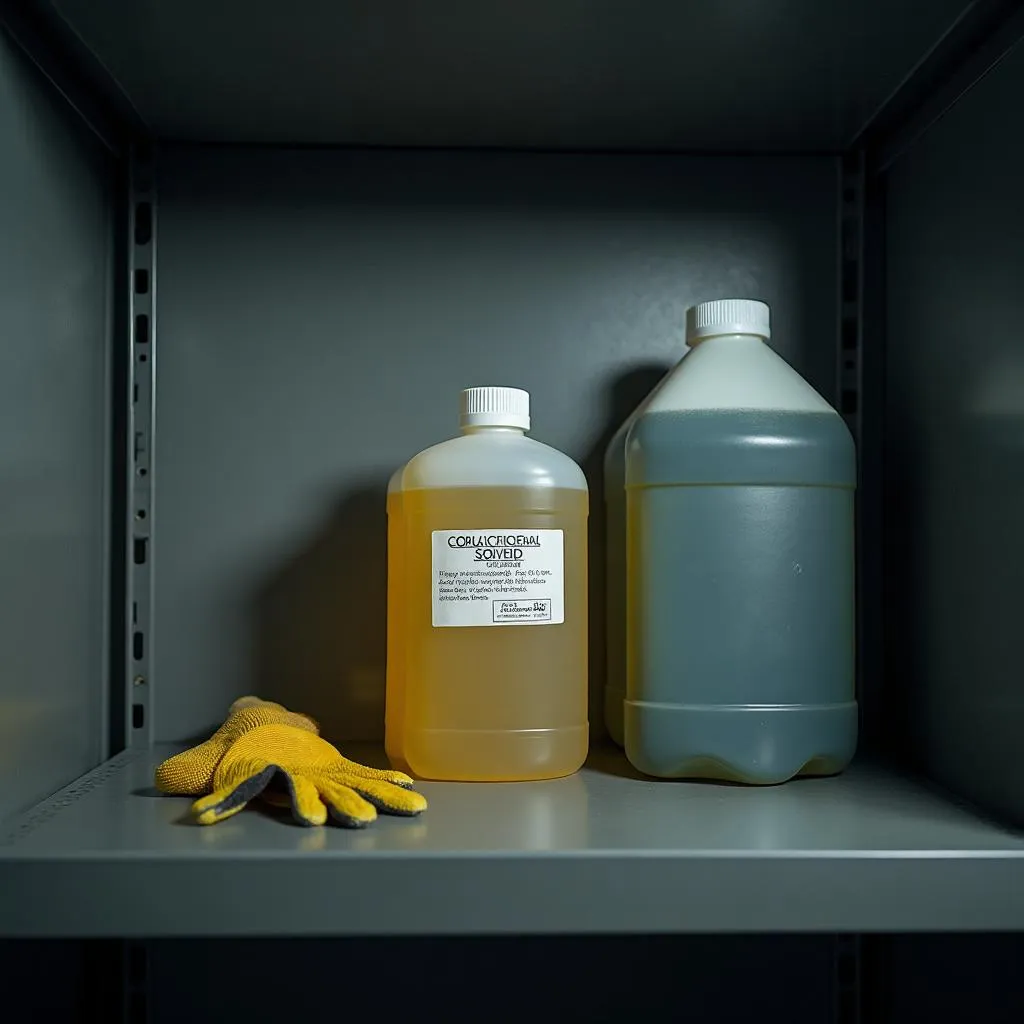 Evidence grade: Essential
Avoid exposure to industrial solvents
Liquid chemicals used to dissolve oils, paints, or grease in manufacturing, construction, and hobbies.
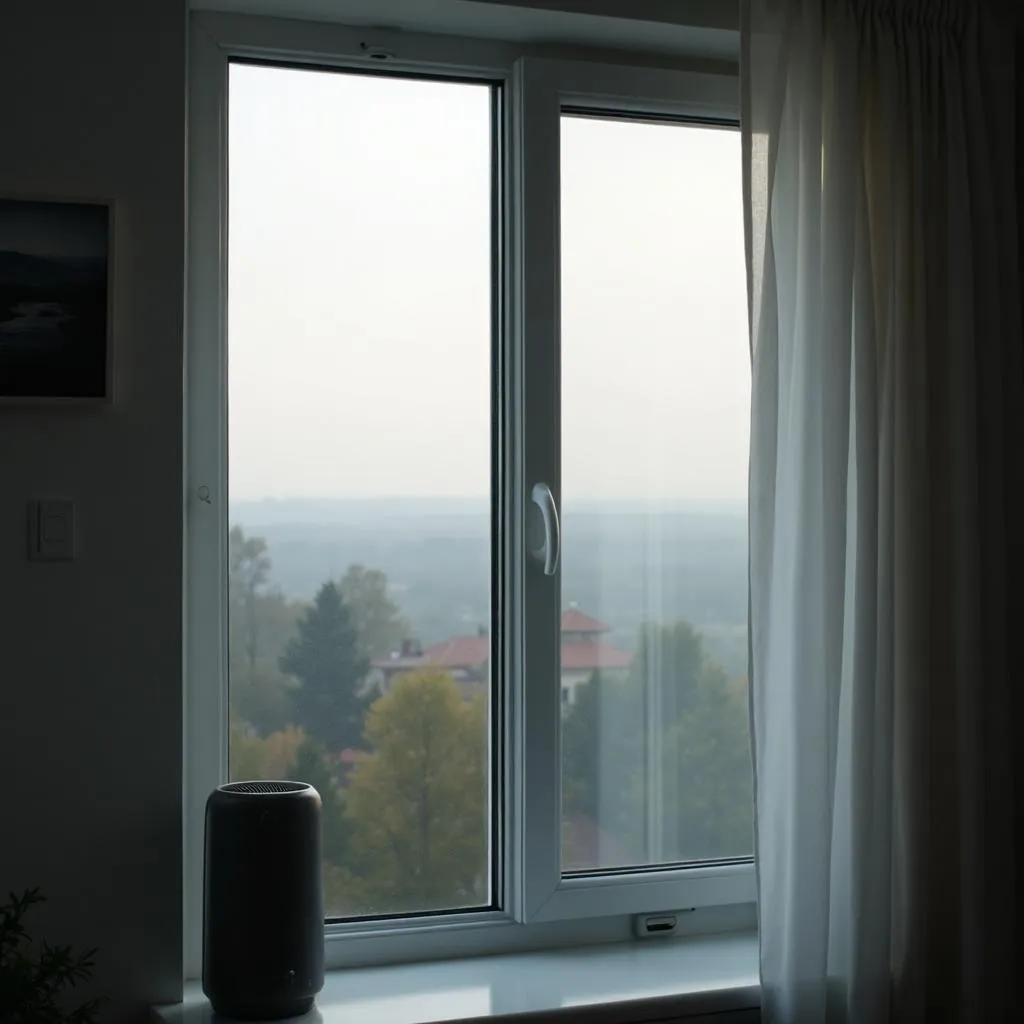 Evidence grade: Essential
Avoid fine particulate air pollution (PM₂.₅)
Microscopic particles less than 2.5 micrometers wide that come from vehicle exhaust, industrial emissions, wildfires, and any kind of indoor combustion such as wood stoves, candle…
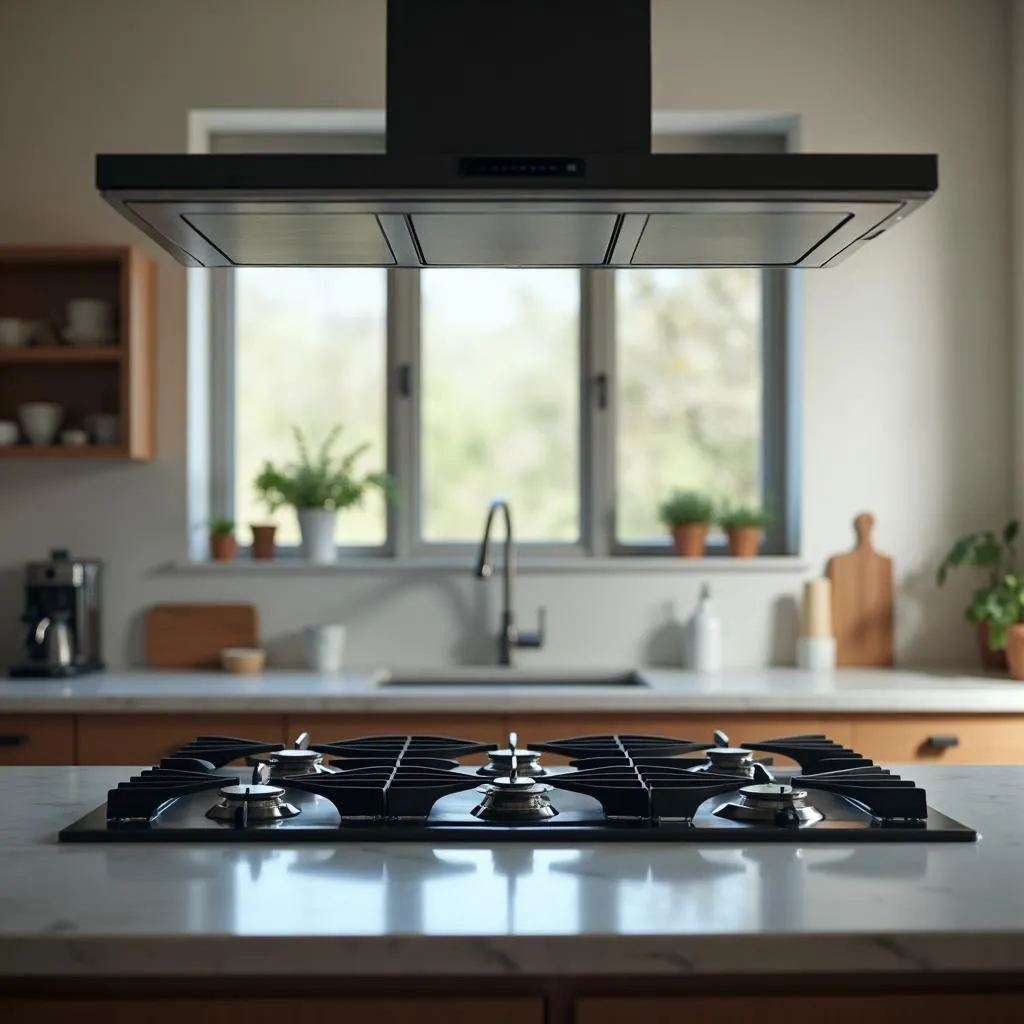 Evidence grade: Essential
Avoid nitrogen oxides
Gases released from traffic exhaust, power plants, and gas stoves when fuel burns.
Show the other 16 Moderate Toxins techniquesShow fewer
- Minimize anticholinergic medicationsEvidence grade: EssentialAnticholinergic drugs are medicines that block the brain chemical acetylcholine and are widely used for allergies, sleep, bladder control, and mood.
- Minimize exposure to heavy metals (lead, mercury, arsenic, cadmium, aluminum)Evidence grade: EssentialToxic metals found in contaminated water, soil, and food.
- Minimize exposure to pesticides (organophosphates, carbamates, neonicotinoids)Evidence grade: EssentialChemical agents used to control insects and weeds in agriculture, landscaping, and household products.
- Minimize long-term sleep or anxiety sedativesEvidence grade: EssentialDrugs such as alprazolam (Xanax), lorazepam (Ativan), zolpidem (Ambien) and eszopiclone (Lunesta) that calm or induce sleep.
- Minimize smoking (tobacco combustion)Evidence grade: EssentialInhaling tobacco smoke from cigarettes, cigars, or pipes; includes second-hand exposure.
- Minimize volatile organic compounds (VOCs)Evidence grade: EssentialCarbon-based chemicals that easily evaporate into indoor air from paints, adhesives, air fresheners, cleaning sprays, new furniture, and plastics.
- Moderate alcohol useEvidence grade: EssentialDrinking beer, wine, or spirits, ethanol in any form acts as both a sedative and a toxin depending on dose and frequency.
- Corticosteroids (long-term systemic use)Evidence grade: Context DependentPrednisone, dexamethasone, and similar drugs taken by mouth or injection for inflammation.
- Minimize dietary exposure to heavy metals in foodEvidence grade: Context DependentHeavy metals such as lead, mercury, arsenic, and cadmium that accumulate in certain foods through contaminated soil, water, or feed.
- Minimize dietary pesticide residuesEvidence grade: Context DependentSmall amounts of insect- and weed-control chemicals that remain on food, especially conventional fruits, vegetables, and grains.
- Reduce exposure to microplastics and nanoplasticsEvidence grade: Context DependentTiny plastic fragments and fibers shed from packaging, synthetic clothing, and degraded materials.
- Minimize exposure to persistent organic pollutants (POPs / “forever chemicals”)Evidence grade: ExperimentalLong-lasting synthetic compounds that build up in the environment and body fat.
- Avoid unnecessary exposure to radiation and electromagnetic pollution (ionizing / non-ionizing)Evidence grade: Mixed / UnclearIonizing radiation (X-rays, gamma rays, radon) directly damages DNA and brain tissue at high doses; non-ionizing electromagnetic fields (EMFs) from cellphones, Wi-Fi, or power lin…
- Consider risks of Proton pump inhibitors (PPIs)Evidence grade: Mixed / UnclearStomach-acid blockers like omeprazole (Prilosec) and esomeprazole (Nexium).
- Minimize nicotine vaping / e-cigarettesEvidence grade: Mixed / UnclearDevices that aerosolize nicotine solution without combustion.
- Use THC / cannabis cautiouslyEvidence grade: Mixed / UnclearInhaled or edible cannabis products containing moderate-to-high tetrahydrocannabinol (THC); often used for relaxation, sleep, or pain relief.
Prevent Brain Damage
Guard against damage
Strongest evidence
 Evidence grade: Essential
Avoid ear damage
Avoiding chronic loud noise and protecting ears in high-volume settings (concerts, power tools, traffic, or earbuds at max volume).
 Evidence grade: Essential
Balance and fall prevention
Maintaining core strength, flexibility, and coordination to reduce falls , through activities like tai chi, yoga, or resistance training.
 Evidence grade: Essential
Dental and gum hygiene
Keeping your mouth healthy through daily brushing, flossing, and regular cleanings to prevent gum disease and oral infections.
Show the other 7 Prevent Brain Damage techniquesShow fewer
- Head protectionEvidence grade: EssentialWearing helmets for biking, skiing, and other impact sports or activities with risk of head trauma.
- Neck and spinal protectionEvidence grade: EssentialUsing proper posture and movement to prevent whiplash or cervical injury that may reduce brain blood flow or cause chronic pain.
- Prevent head traumaEvidence grade: EssentialAvoid or reduce activities that cause repeated blows to the head such as football, boxing, or heading soccer balls.
- Flu vaccinationEvidence grade: Context DependentThe annual influenza vaccine that helps your immune system fight off seasonal flu strains.
- Pneumococcal vaccinationEvidence grade: Context DependentA vaccine that prevents pneumonia and meningitis caused by pneumococcal bacteria.
- Shingles (herpes zoster) vaccinationEvidence grade: Context DependentA two-dose vaccine (Shingrix) that prevents shingles, the painful reactivation of the chickenpox virus.
- COVID-19 vaccinationEvidence grade: Mixed / UnclearVaccines designed to reduce the severity of COVID infections; most now use mRNA technology or protein-based platforms.
Therapy
Specialty care
Strongest evidence
 Evidence grade: Context Dependent
Blood Pressure Control
Medical and lifestyle management to maintain optimal blood pressure (typically <120/80 mmHg) through antihypertensive medications, dietary sodium reduction, exercise, and stress m…
 Evidence grade: Context Dependent
Blood Sugar Management
Prevention and treatment of insulin resistance and diabetes through medication, diet, and activity to maintain fasting glucose <100 mg/dL and HbA1c <5.7% when possible.
 Evidence grade: Context Dependent
Cholesterol and Vascular Health Management
Comprehensive lipid and endothelial health optimization through statins, diet, exercise, and vascular-protective agents to prevent atherosclerosis and maintain cerebral blood flow.
Show the other 32 Therapy techniquesShow fewer
- Circadian / Light-Exposure TherapyEvidence grade: Context DependentControlled exposure to bright or timed light, usually morning light or light boxes, to synchronize circadian rhythms, improve sleep quality, and stabilize mood.
- Cognitive Rehabilitation & RetrainingEvidence grade: Context DependentA structured, therapist-guided program of exercises and compensatory strategies to improve or restore cognitive domains such as memory, attention, and executive function, often af…
- Concussion Recognition and RecoveryEvidence grade: Context DependentEarly diagnosis and guided management of mild traumatic brain injury (mTBI) through rest, graded return to activity, vestibular and vision rehabilitation, and symptom monitoring.
- Depression and Chronic Stress TreatmentEvidence grade: Context DependentIntegrated management of depression, anxiety, and chronic psychological stress through therapy, medication, and lifestyle interventions to restore emotional and neuroendocrine bal…
- Float / Sensory Deprivation TherapyEvidence grade: Context DependentImmersion in a dark, soundproof tank filled with body-temperature saltwater to eliminate external sensory input and promote deep relaxation.
- Gut Health & GastroenterologyEvidence grade: Context DependentSpecialty care focused on optimizing gut function, addressing reflux, IBS, microbiome imbalance, and inflammatory bowel conditions, using diagnostics, diet modification, probiotic…
- Hearing Optimization / Hearing AidsEvidence grade: Context DependentAssessment and correction of hearing loss using hearing aids or assistive devices to restore auditory input and reduce cognitive strain.
- Mental-Health Therapy & Trauma CareEvidence grade: Context DependentComprehensive psychotherapy, psychiatry, and trauma-informed care addressing depression, anxiety, PTSD, and stress-related conditions through modalities such as CBT, EMDR, ACT, me…
- Metabolic Medicine & NutritionEvidence grade: Context DependentSpecialist-guided management of metabolic health using advanced testing (e.g., advanced bloodwork, OGTT, CGM), personalized nutrition plans, and optimization of glucose control an…
- Neuro-optometric / Vision TherapyEvidence grade: Context DependentA rehabilitation program that uses targeted visual exercises, eye-tracking tasks, and perceptual-motor activities to improve eye coordination, focus, depth perception, and visual…
- Neurofeedback / EEG BiofeedbackEvidence grade: Context DependentA behavioral therapy that trains individuals to alter brainwave patterns in real time using EEG feedback, aiming to improve attention, relaxation, or stress control.
- Orthopedics & Physical TherapyEvidence grade: Context DependentEvaluation and treatment of musculoskeletal issues (e.g., chronic pain, arthritis, back or joint dysfunction) through targeted physical therapy, exercise prescription, and, when n…
- Perimenopause and Menopause TreatmentEvidence grade: Context DependentComprehensive evaluation and management of hormonal changes across midlife and beyond, using individualized hormone replacement (estrogen, progesterone, testosterone as appropriat…
- Sleep Apnea TreatmentEvidence grade: Context DependentDiagnosis and treatment of obstructive sleep apnea (OSA) through CPAP, oral appliances, weight reduction, or upper-airway therapy to restore normal nocturnal breathing and oxygena…
- Sleep MedicineEvidence grade: Context DependentSpecialist care focused on diagnosing and treating sleep disorders, such as insomnia, sleep apnea, restless legs, and circadian rhythm disruptions, through targeted testing (polys…
- Speech-Language / Occupational Cognitive TherapyEvidence grade: Context DependentClinician-delivered therapy focused on communication, comprehension, executive skills, and daily cognitive function, commonly used after stroke, traumatic brain injury, or neurode…
- Thyroid and Hormonal BalanceEvidence grade: Context DependentDiagnosis and management of thyroid dysfunction (hypo- or hyperthyroidism) and related hormonal imbalances to maintain optimal metabolism, energy, and cognitive performance.
- Tinnitus Retraining Therapy / Auditory HabituationEvidence grade: Context DependentCombines sound therapy with counseling to help the brain “reclassify” tinnitus as a neutral signal rather than a threat, reducing perceived loudness and distress over time.
- Transcranial Magnetic Stimulation (TMS)Evidence grade: Context DependentA noninvasive neuromodulation therapy that uses rapidly pulsed magnetic fields over the scalp to activate targeted brain regions, most commonly the dorsolateral prefrontal cortex,…
- Treating Hearing LossEvidence grade: Context DependentClinical evaluation and correction of auditory deficits using hearing aids, cochlear implants, or assistive listening devices to restore auditory input and reduce cognitive load.
- Treating Vision Loss (Cataract, Glaucoma, Macular Degeneration)Evidence grade: Context DependentMedical and surgical interventions to restore or preserve sight; cataract extraction, intraocular lenses, glaucoma pressure management, and retinal protection for macular degenera…
- Vascular & Cardiovascular CareEvidence grade: Context DependentCoordinated cardiovascular evaluation and prevention program emphasizing blood pressure, lipid management, endothelial health, and microvascular function, all critical to long-ter…
- Vestibular & Balance TherapyEvidence grade: Context DependentA customized exercise program that retrains balance, gaze stability, and spatial orientation by stimulating and recalibrating the vestibular system, often used after concussion, v…
- Vestibular TherapyEvidence grade: Context DependentTargeted physical exercises that retrain balance, gaze stability, and spatial orientation by stimulating and recalibrating the vestibular system, often after concussion, inner-ear…
- Vision Correction (Glasses / Cataract Surgery)Evidence grade: Context DependentOptical correction of refractive errors or surgical removal of cataracts to improve visual clarity, reduce strain, and maintain sensory engagement.
- Vision Protection and CorrectionEvidence grade: Context DependentPreventive eye care to preserve visual function; routine exams, UV protection, management of dry eye, and corrective lenses for refractive error.
- Vision or Neuro-Optometric TherapyEvidence grade: Context DependentStructured visual exercises and perceptual-motor training designed to improve eye coordination, focus, and visual processing, especially after concussion or in developmental visua…
- Hyperbaric Oxygen Therapy (HBOT)Evidence grade: ExperimentalBreathing 100% oxygen in a pressurized chamber (1.3–2.5 ATA) to increase tissue oxygenation and support healing or recovery from neurological and metabolic injuries.
- Intermittent Hypoxia Training (IHT)Evidence grade: ExperimentalControlled exposure to short periods of reduced oxygen (hypoxia) alternating with normal breathing to stimulate vascular and mitochondrial adaptation.
- Photobiomodulation / Red-Light TherapyEvidence grade: ExperimentalApplication of low-level red or near-infrared light (600–1,000 nm) to the scalp or body to stimulate mitochondrial activity, enhance circulation, and support cellular repair.
- Transcranial Direct Current Stimulation (tDCS)Evidence grade: ExperimentalA portable, low-intensity brain stimulation technique delivering weak electrical current (1–2 mA) through scalp electrodes to modulate neuronal excitability in targeted cortical r…
- CryotherapyEvidence grade: Mixed / UnclearWhole-body or partial-body exposure to extremely cold air (–150 to –200°F / –110 to –130°C) for 2–4 minutes in a cryochamber, aiming to reduce inflammation and speed recovery.
Drugs
Prescription review
Strongest evidence
 Evidence grade: Context Dependent
Anti-Amyloid Monoclonal Antibodies
FDA-approved biologic drugs that target beta-amyloid plaques to slow Alzheimer’s progression, including lecanemab (Leqembi®), donanemab (Kisunla™).
- Evidence grade: Context Dependent
Antihypertensives
Medications that lower blood pressure to protect vascular and brain health, including ACE inhibitors (lisinopril, enalapril), ARBs (losartan, valsartan), calcium channel blockers…
- Evidence grade: Context Dependent
GLP-1 Receptor Agonists
A class of injectable or oral medications that mimic the hormone glucagon-like peptide-1 (GLP-1) to improve insulin sensitivity, suppress appetite, and reduce inflammation.
Show the other 18 Drugs techniquesShow fewer
- Lipid-Lowering DrugsEvidence grade: Context DependentTherapies that reduce LDL cholesterol and vascular inflammation, including statins (atorvastatin, rosuvastatin, simvastatin), PCSK9 inhibitors (alirocumab, evolocumab), and ezetim…
- Local Vaginal EstrogenEvidence grade: Context DependentLow-dose estrogen applied vaginally (e.g., estradiol cream, Estring® ring, Vagifem® tablet) to treat genitourinary syndrome of menopause (GSM) including dryness, pain, and recurre…
- Menopausal hormone therapy (MHT, HRT)Evidence grade: Context DependentSystemic estrogen (usually estradiol via transdermal patch, gel, or oral form) combined with progesterone (micronized or dydrogesterone) for women with a uterus, used to relieve m…
- MetforminEvidence grade: Context DependentAn oral drug, metformin (Glucophage®, Riomet®, Fortamet®, Glumetza®), that lowers hepatic glucose output, improves peripheral insulin sensitivity, and activates cellular AMPK path…
- SGLT2 InhibitorsEvidence grade: Context DependentOral medications that reduce blood glucose by promoting renal glucose excretion and improving vascular and metabolic health.
- Testosterone ReplacementEvidence grade: Context DependentReplacement therapy for age-related or pathological hypogonadism using testosterone cypionate/enanthate injections, gels (AndroGel®, Testim®), or patches (Androderm®) to restore p…
- Thyroid Hormone ReplacementEvidence grade: Context DependentStandard therapy for hypothyroidism or subclinical hypothyroidism using levothyroxine (Synthroid®, Levoxyl®, Tirosint®) or, less commonly, combination T4/T3 preparations (e.g., li…
- Anti-Tau Monoclonal Antibodies (Emerging)Evidence grade: ExperimentalInvestigational biologics designed to block or clear pathological tau aggregates inside neurons, targeting tau propagation rather than extracellular amyloid.
- Anti-Tau Therapies (Monoclonal Antibodies)Evidence grade: ExperimentalEmerging biologics that target pathological tau aggregates to slow neurofibrillary tangle propagation.
- DHEA ReplacementEvidence grade: ExperimentalSupplementation with dehydroepiandrosterone (DHEA), an adrenal steroid precursor available as oral or topical formulations (common brands: Prasterone / Intrarosa®, over-the-counte…
- Erythropoietin (EPO) AnalogsEvidence grade: ExperimentalBiologic drugs that stimulate red blood cell production and may have neurotrophic and vascular effects.
- GM-CSF (Sargramostim / Leukine®)Evidence grade: ExperimentalA recombinant human granulocyte–macrophage colony-stimulating factor (GM-CSF) that stimulates innate immune activity and neuroinflammatory repair mechanisms; marketed as Leukine®,…
- Methylene Blue / LMTM (Leuco-Methylthioninium)Evidence grade: ExperimentalA redox-active compound with mitochondrial and tau-modulating effects, historically used as a dye and in methemoglobinemia.
- Nicotinamide Riboside / NMNEvidence grade: ExperimentalNAD⁺ precursors that aim to restore cellular energy metabolism and mitochondrial function, including nicotinamide riboside (NR; Niagen®) and nicotinamide mononucleotide (NMN), bot…
- Rapamycin / EverolimusEvidence grade: ExperimentalDrugs that inhibit the mTOR (mechanistic target of rapamycin) pathway, sirolimus (Rapamune®) and everolimus (Afinitor®), used in oncology and transplant medicine, now studied for…
- Senolytic CombinationsEvidence grade: ExperimentalExperimental drug combinations designed to selectively clear senescent (“zombie”) cells that accumulate with age and drive chronic inflammation.
- ValacyclovirEvidence grade: ExperimentalAn oral antiviral medication (Valtrex®, the prodrug of acyclovir) used for HSV-1 and HSV-2 infections; being studied as a potential therapy to reduce viral reactivation implicated…
- BPC-157Evidence grade: WeakA synthetic peptide (15 amino acids) touted for regenerative, anti-inflammatory, and healing properties.
The Essentials are universal. The action plan is personal.
Your coach weighs hundreds of techniques against your biology and makes an action plan with the few that will matter most.
92% of eligible clients pay $0.