Sleep · Brain health technique
Cold bedroom
Evidence grade: Context Dependent
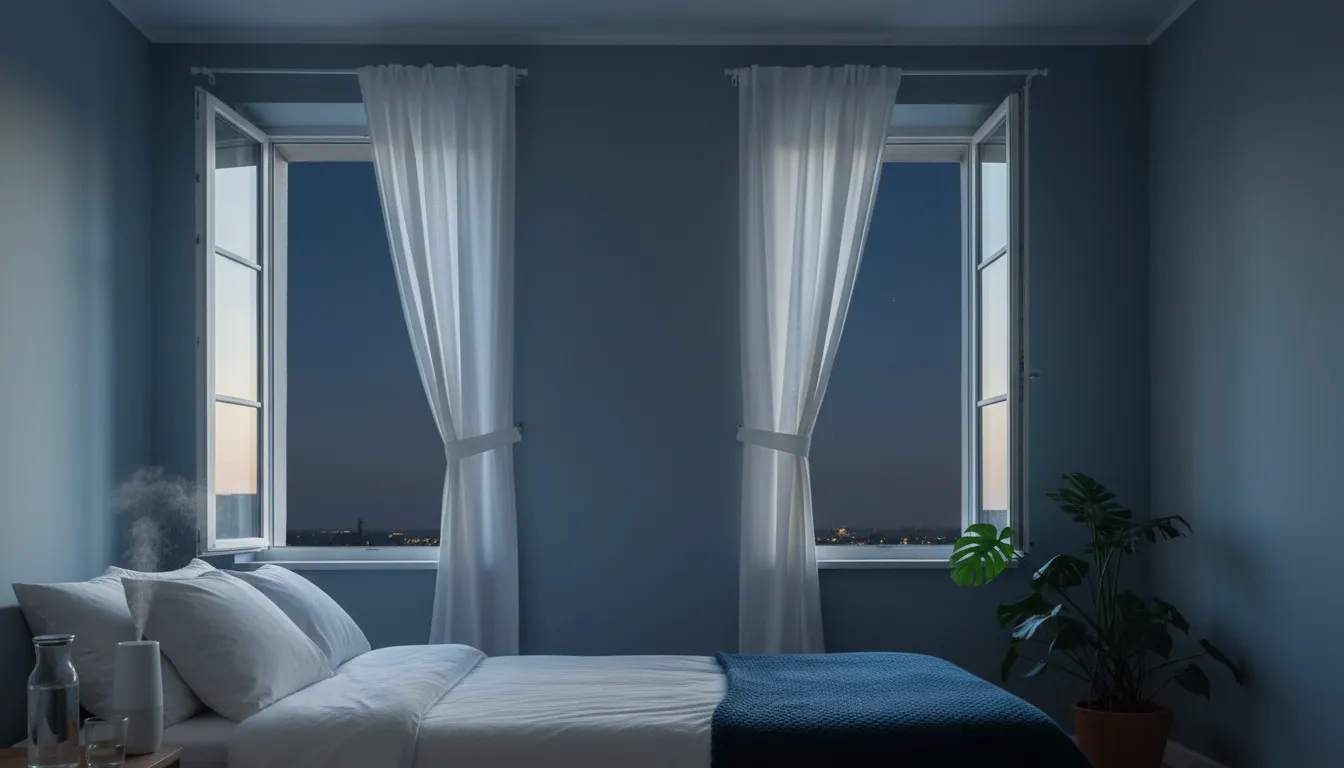
Maintaining a cool ambient temperature to assist the body’s natural nighttime drop in core temperature, facilitating sleep onset and deeper stages.
- Practice
- Sleep
- Principle
- Restoration
- Tactic
- Calm And Comfortable Environment
- Evidence grade
- Context Dependent
- Strength of evidence
- Medium
- Cost
- Low
- Effort
- Low
- Time commitment
- Low
How to practice Cold bedroom
Set thermostat between 60–68°F, adjusting bedding for comfort. Use breathable sheets and light blankets.
The evidence behind Cold bedroom
Your core body temperature drops 1 to 2°F as you fall asleep, and a cool room speeds that up. In controlled trials, a bedroom at 60 to 68°F (15 to 20°C) helped people fall asleep faster and get more deep sleep. Rooms over 72°F bring more awakenings and a smaller share of REM sleep. Your brain widens your blood vessels to shed heat, and that heat control helps keep your circadian rhythm on track. The evidence is strong and consistent.
Reviewed by BetterBrain's clinical advisors · Updated November 2026 · Our science
More Sleep techniques
Pair this with other habits from the same practice.

Evidence grade: Essential
Avoid alcohol before bed
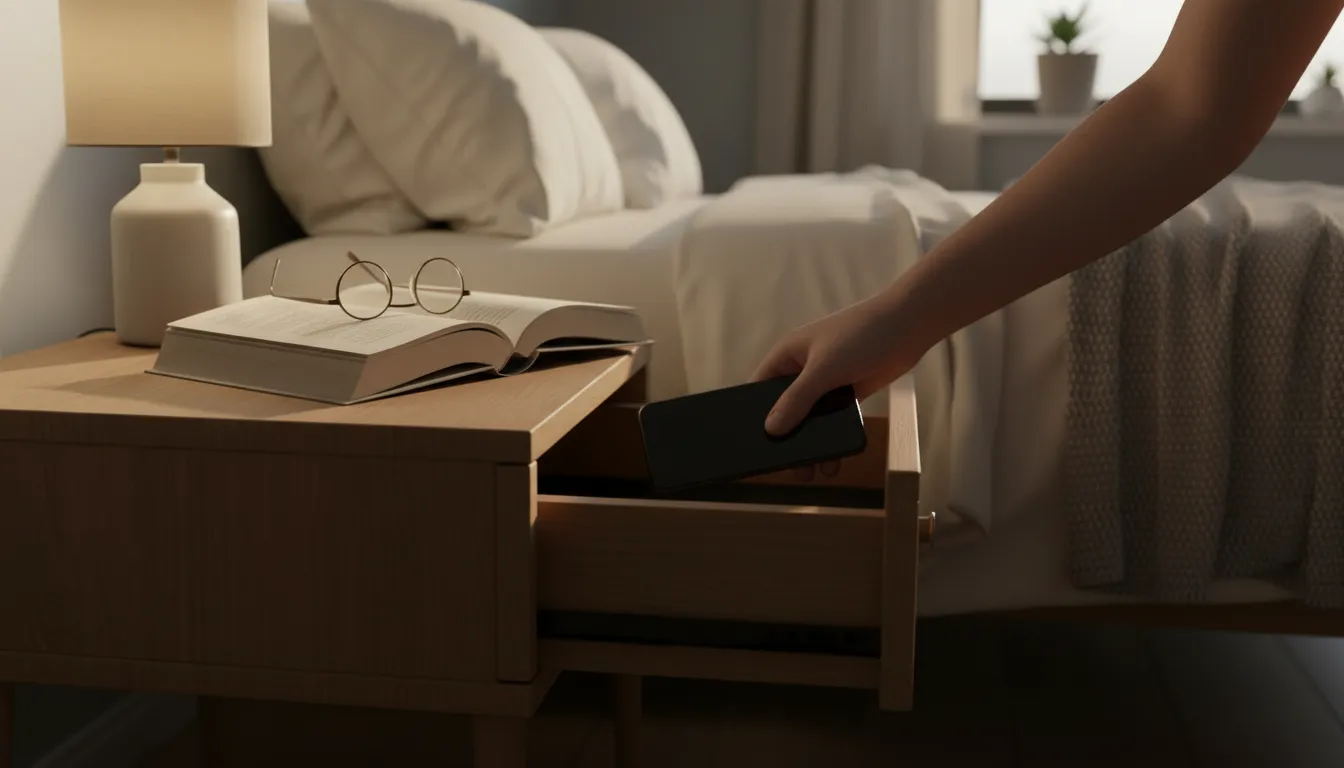
Refraining from consuming alcohol within several hours of bedtime to prevent disruption of sleep architecture and nighttime physiology.
Evidence grade: Essential
Avoid screens before bed
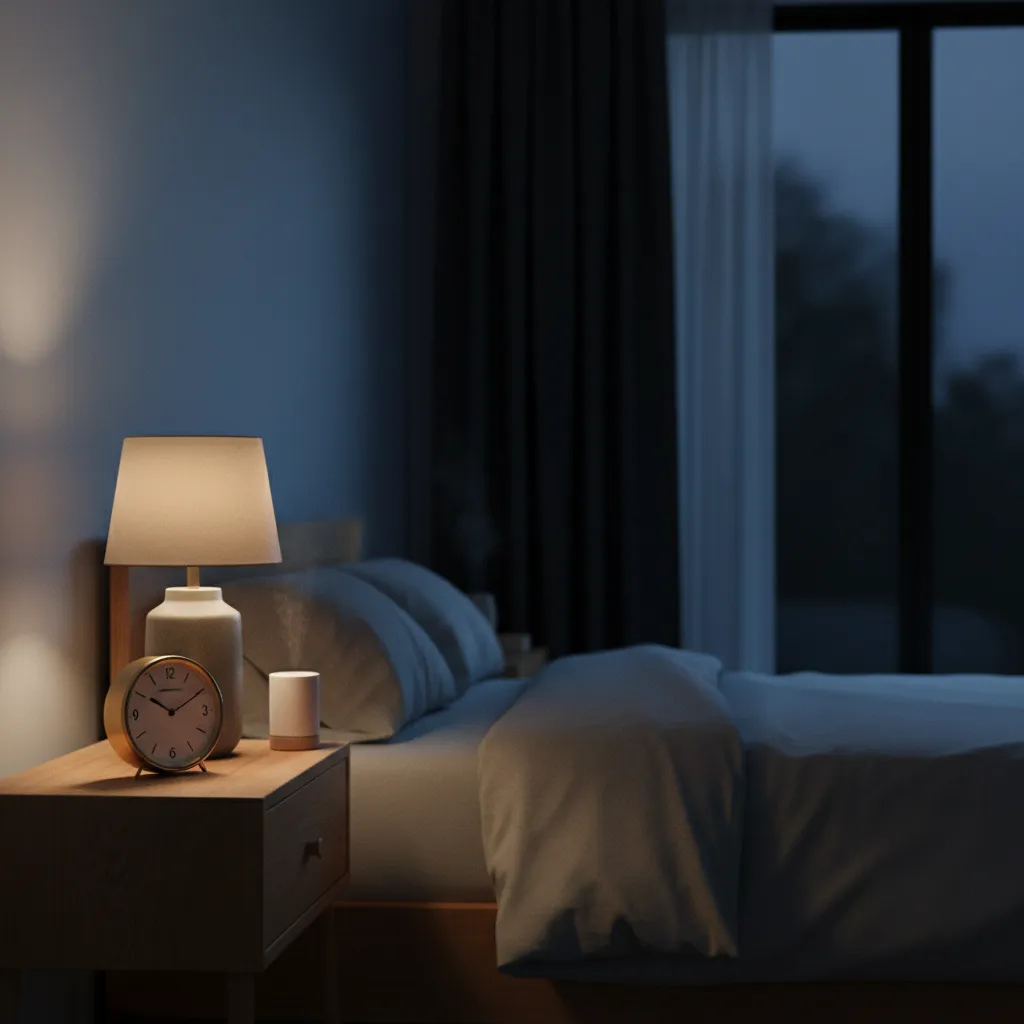
Limiting exposure to phones, tablets, TVs, or computers 1–2 hours before bedtime to prevent light–induced melatonin suppression and cognitive overstimulation.
Evidence grade: Essential
Consistent bedtime and wake-up time
Going to bed and waking up at roughly the same time every day, including weekends, to align circadian rhythms and stabilize sleep–wake patterns.
Take control of your brain health
BetterBrain gives you a personalized protocol of techniques like these, backed by science and tailored to you.