De-stress · Brain health technique
Cold Exposure (Ice Bath / Cold-Water Immersion)
Evidence grade: Experimental
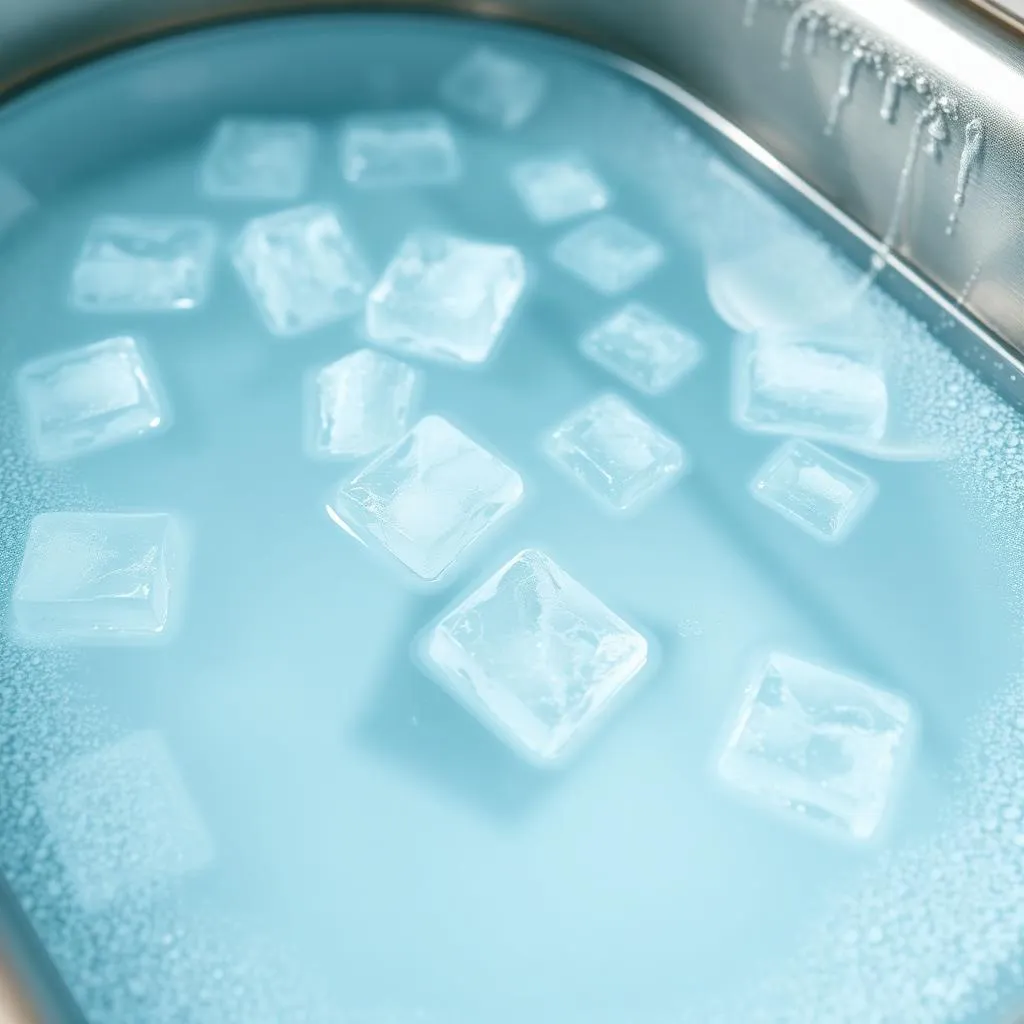
Immersing most of the body, typically up to the shoulders, in cold water (40–59°F / 10–15°C) for a few minutes to induce controlled thermal stress, aiming to improve recovery, mood, and stress tolerance.
- Practice
- De-stress
- Principle
- Restoration
- Tactic
- Recovery
- Evidence grade
- Experimental
- Strength of evidence
- Low
- Cost
- High
- Effort
- Medium
- Time commitment
- Medium
How to practice Cold Exposure (Ice Bath / Cold-Water Immersion)
Limit sessions to 1–3 times per week, 1–3 minutes at 50–59°F (10–15°C), ideally after intense or endurance workouts rather than routine training. Use primarily for soreness, acute stress relief, or mood enhancement, not as a daily longevity tool. Avoid immersion if you have cardiovascular disease, Raynaud’s, uncontrolled hypertension, or high QT intervals (from EKG) which can increase sudden death risk. Avoid after strength training as this can limit hypertrophy benefits. Rewarm gradually afterward with light movement.
The evidence behind Cold Exposure (Ice Bath / Cold-Water Immersion)
Evidence shows that cold-water immersion briefly eases muscle soreness and lowers markers of inflammation. Cold-water immersion also gives a short-lived lift in mood and alertness. The cold triggers your fight-or-flight response, releasing alertness and feel-good chemicals (norepinephrine and beta-endorphins). Then your rest-and-digest system rebounds. Used often, cold can blunt how your muscles and mitochondria adapt to training. Benefits for mood and feeling recovered are consistent, but lasting effects on your body are speculative.
Impact on brain health
There are no proven long-term effects on cognition or on protecting the brain from damage.
Reviewed by BetterBrain's clinical advisors · Updated November 2026 · Our science
More De-stress techniques
Pair this with other habits from the same practice.
Evidence grade: Essential
Mindfulness Meditation
A structured practice of sustained, nonjudgmental awareness of present experience, typically focusing on breath, sensations, or thoughts, to reduce reactivity and enhance emotiona…

Evidence grade: Essential
Mindfulness-Based Stress Reduction (MBSR)
An 8-week structured program combining mindfulness meditation, body scanning, and gentle yoga to build awareness and reduce stress reactivity.

Evidence grade: Essential
Nature Exposure
Spending time in natural outdoor settings, parks, forests, gardens (“green”) or near water (“blue”), to reduce stress and restore cognitive and emotional balance.
Take control of your brain health
BetterBrain gives you a personalized protocol of techniques like these, backed by science and tailored to you.