Sleep · Brain health technique
CPAP or other PAP devices
Evidence grade: Context Dependent

Machines that deliver continuous or bilevel positive airway pressure through a mask to prevent airway collapse during sleep, treating obstructive sleep apnea (OSA).
- Practice
- Sleep
- Principle
- Restoration
- Tactic
- Clinical Therapy
- Health domains
- hormonal, vascular
- Evidence grade
- Context Dependent
- Strength of evidence
- Medium
- Cost
- Medium
- Effort
- Medium
- Time commitment
- Low
How to practice CPAP or other PAP devices
For diagnosed OSA, use CPAP nightly for ≥4 hours (target 6–7). Ensure proper mask fit and pressure calibration. Clean equipment weekly. Compliance correlates directly with benefit, partial use gives limited protection. Re-evaluate annually or if symptoms return.
The evidence behind CPAP or other PAP devices
In obstructive sleep apnea (OSA), trials and long-term studies show CPAP restores oxygen flow and normal sleep stages. Long-term studies also link CPAP to lower cardiovascular risk. Keeping the airway open prevents the oxygen drops and broken sleep that harm blood vessels. CPAP isn't meant for people without sleep-disordered breathing.
Impact on brain health
Long-term studies link CPAP use in OSA to less decline in memory, attention, and other cognitive domains since it prevents frequent oxygen drops and fragmented sleep.
Reviewed by BetterBrain's clinical advisors · Updated November 2026 · Our science
More Sleep techniques
Pair this with other habits from the same practice.

Evidence grade: Essential
Avoid alcohol before bed
Refraining from consuming alcohol within several hours of bedtime to prevent disruption of sleep architecture and nighttime physiology.
Evidence grade: Essential
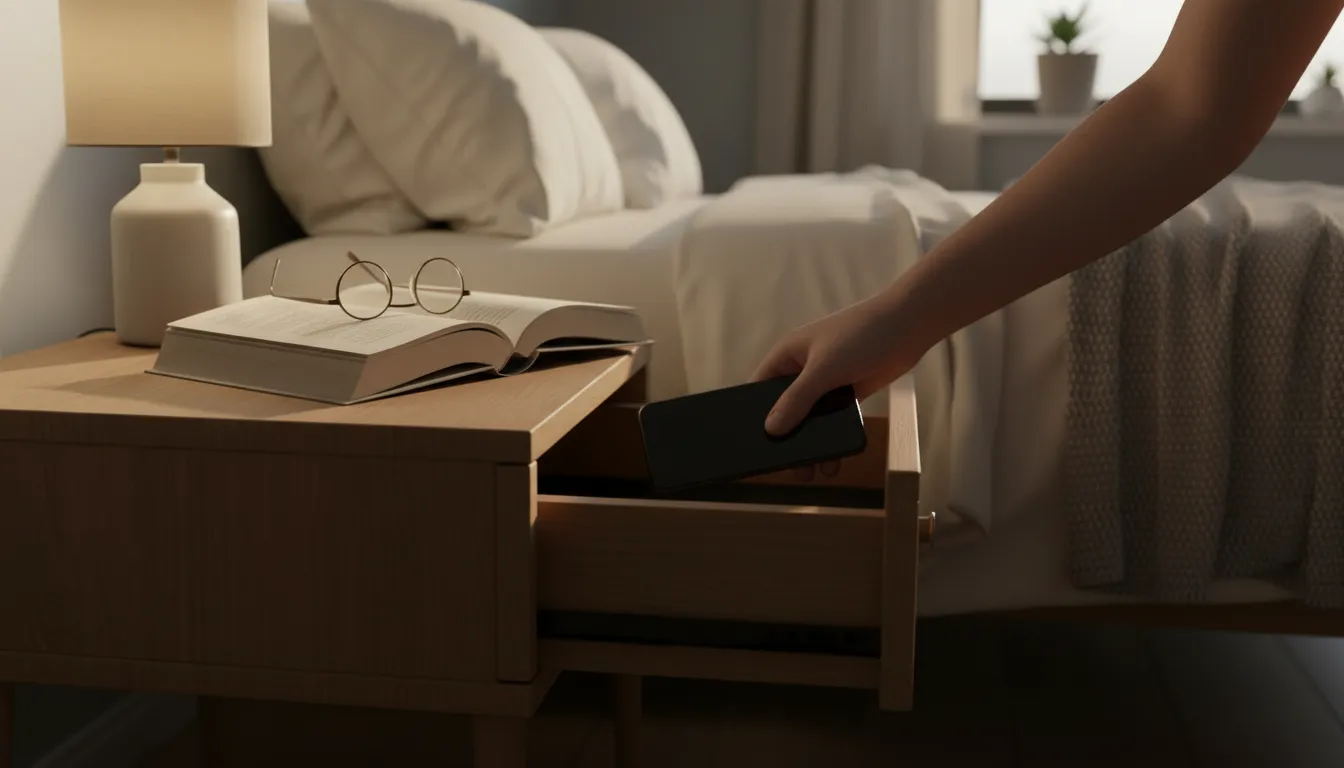
Avoid screens before bed
Limiting exposure to phones, tablets, TVs, or computers 1–2 hours before bedtime to prevent light–induced melatonin suppression and cognitive overstimulation.
Evidence grade: Essential
Consistent bedtime and wake-up time
Going to bed and waking up at roughly the same time every day, including weekends, to align circadian rhythms and stabilize sleep–wake patterns.
Take control of your brain health
BetterBrain gives you a personalized protocol of techniques like these, backed by science and tailored to you.