De-stress · Brain health technique
EMDR (Eye Movement Desensitization and Reprocessing)
Evidence grade: Context Dependent
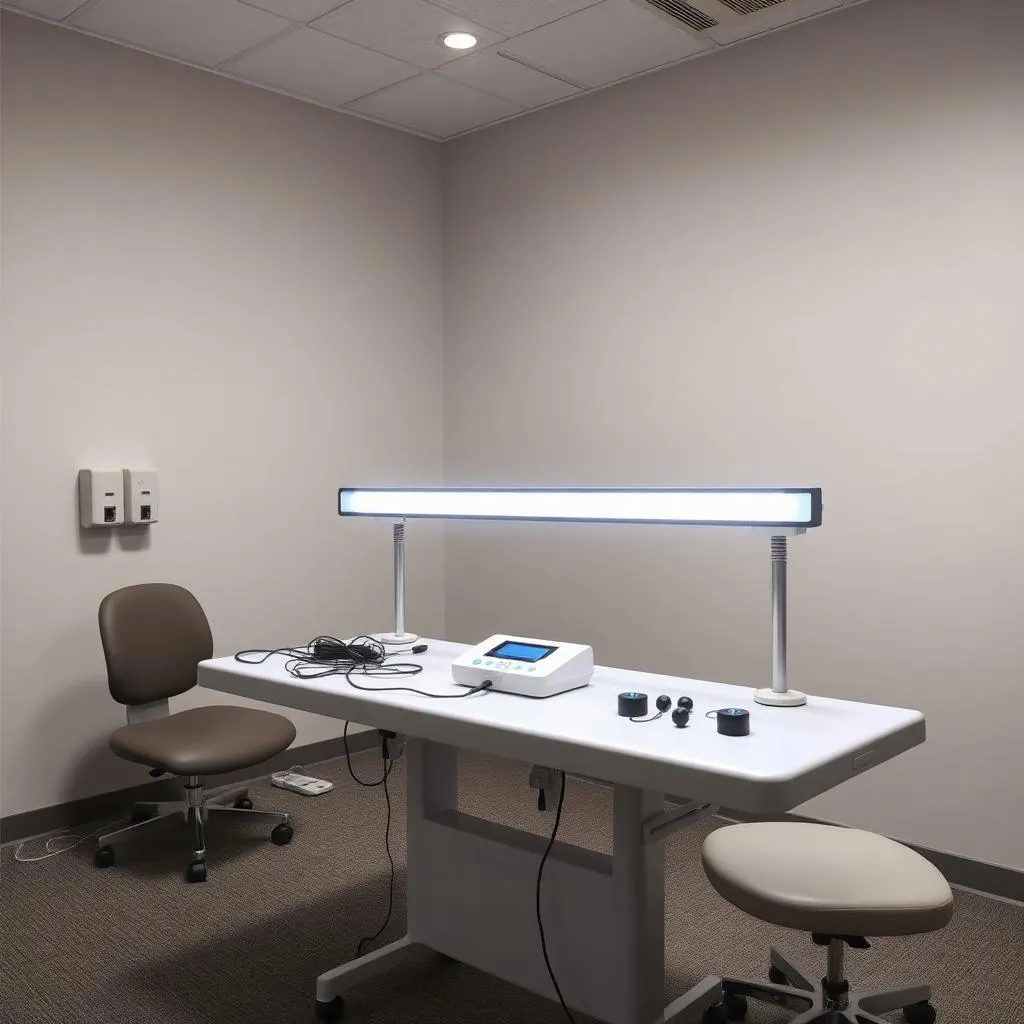
A structured psychotherapy using bilateral stimulation (eye movements, taps, or sounds) while recalling distressing memories to reduce their emotional intensity and reprocess associated beliefs.
- Practice
- De-stress
- Principle
- Restoration
- Tactic
- Clinical Therapy
- Evidence grade
- Context Dependent
- Strength of evidence
- Medium
How to practice EMDR (Eye Movement Desensitization and Reprocessing)
Best used under supervision of a licensed EMDR therapist. Typically involves 6–12 sessions targeting specific memories or triggers. Not intended as self-guided relaxation. Effective for trauma-related insomnia, anxiety, or emotional flashbacks; not needed for routine stress.
The evidence behind EMDR (Eye Movement Desensitization and Reprocessing)
Strong evidence from clinical trials supports EMDR for post-traumatic stress disorder (PTSD) and other trauma-related stress. EMDR works about as well as trauma-focused CBT. Evidence for general stress relief is limited.
Impact on brain health
The alternating left-right stimulation may help your brain update a painful memory as you recall it, a process called reconsolidation. The stimulation may also calm an overactive amygdala. Evidence that EMDR sharpens memory or thinking is limited.
Reviewed by BetterBrain's clinical advisors · Updated November 2026 · Our science
More De-stress techniques
Pair this with other habits from the same practice.

Evidence grade: Essential
Mindfulness Meditation
A structured practice of sustained, nonjudgmental awareness of present experience, typically focusing on breath, sensations, or thoughts, to reduce reactivity and enhance emotiona…

Evidence grade: Essential
Mindfulness-Based Stress Reduction (MBSR)
An 8-week structured program combining mindfulness meditation, body scanning, and gentle yoga to build awareness and reduce stress reactivity.

Evidence grade: Essential
Nature Exposure
Spending time in natural outdoor settings, parks, forests, gardens (“green”) or near water (“blue”), to reduce stress and restore cognitive and emotional balance.
Take control of your brain health
BetterBrain gives you a personalized protocol of techniques like these, backed by science and tailored to you.