De-stress · Brain health technique
Environmental Design for Calm
Evidence grade: Context Dependent
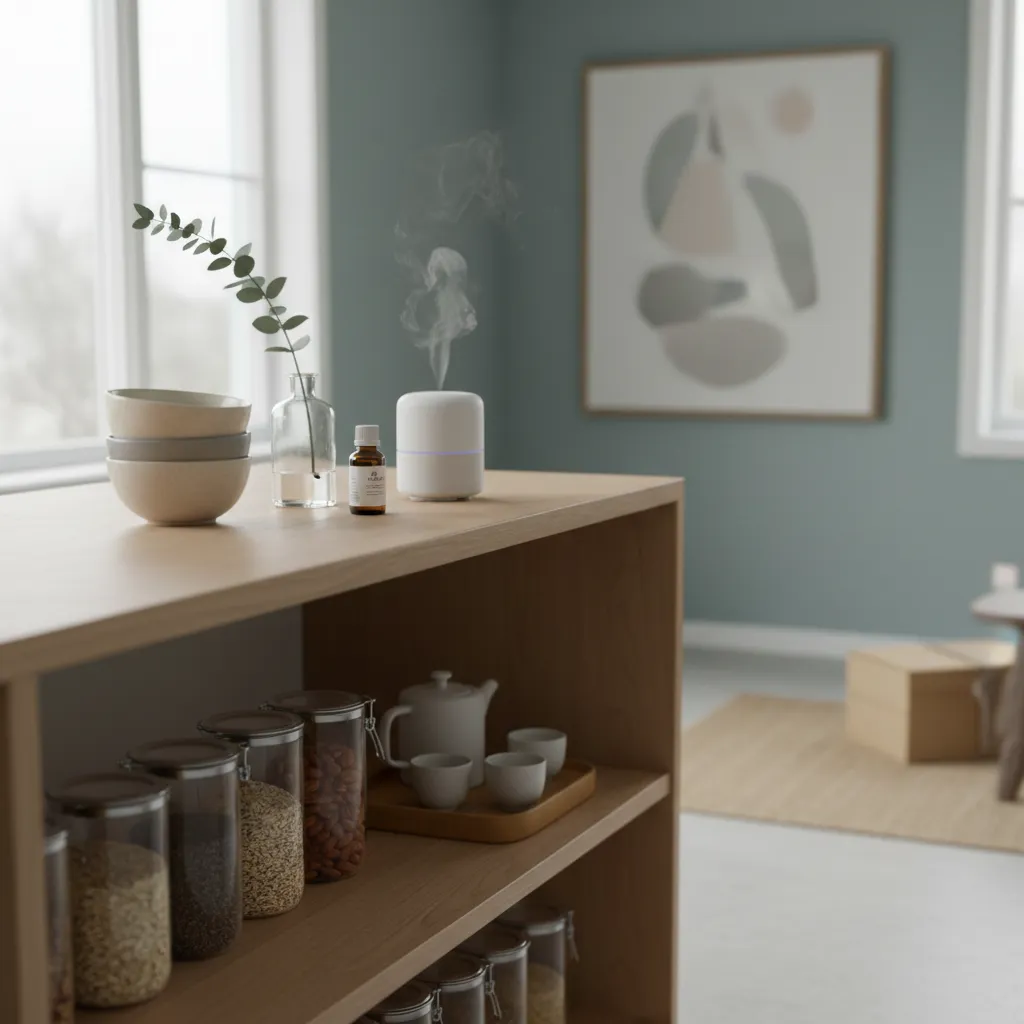
Structuring indoor spaces, lighting, color, materials, air quality, and organization, to create an atmosphere that promotes relaxation and mental clarity.
- Practice
- De-stress
- Principle
- Restoration
- Tactic
- Social & Environmental Factors
- Evidence grade
- Context Dependent
- Strength of evidence
- Medium
How to practice Environmental Design for Calm
Optimize living or work areas for serenity: use natural light, greenery, and soft textures; minimize clutter and harsh noise; maintain air quality and temperature comfort. Add natural scents and gentle visual symmetry. Review periodically, small, consistent refinements maintain calming impact over time.
The evidence behind Environmental Design for Calm
Environmental psychology and building-science studies link calm design (natural light, plants, soft materials, tidiness, and muted colors) with lower cortisol and better mood. The likely reason is that less sensory clutter and cues from nature engage your parasympathetic system. The evidence is moderate but consistent across settings.
Impact on brain health
Calm design is also linked to better focus. The same cues seem to let your brain's attention systems rest and recover.
Reviewed by BetterBrain's clinical advisors · Updated November 2026 · Our science
More De-stress techniques
Pair this with other habits from the same practice.
Evidence grade: Essential
Mindfulness Meditation
A structured practice of sustained, nonjudgmental awareness of present experience, typically focusing on breath, sensations, or thoughts, to reduce reactivity and enhance emotiona…
Evidence grade: Essential
Mindfulness-Based Stress Reduction (MBSR)
An 8-week structured program combining mindfulness meditation, body scanning, and gentle yoga to build awareness and reduce stress reactivity.

Evidence grade: Essential
Nature Exposure
Spending time in natural outdoor settings, parks, forests, gardens (“green”) or near water (“blue”), to reduce stress and restore cognitive and emotional balance.
Take control of your brain health
BetterBrain gives you a personalized protocol of techniques like these, backed by science and tailored to you.