Sleep · Brain health technique
Get morning light exposure
Evidence grade: Essential
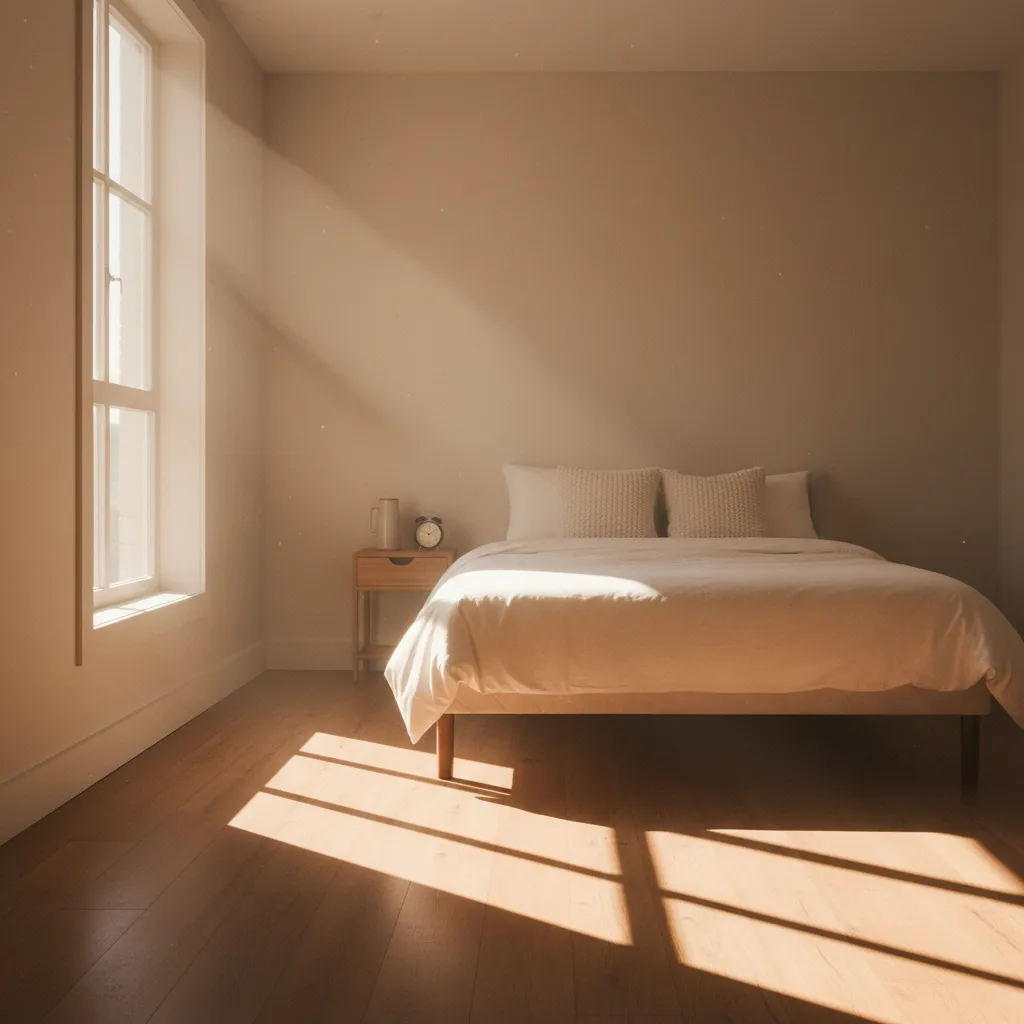
Exposing eyes to natural light soon after waking, preferably outdoor sunlight, to reinforce circadian alignment and alertness.
- Practice
- Sleep
- Principle
- Restoration
- Tactic
- Managing Light And Screens
- Health domains
- hormonal, metabolic
- Evidence grade
- Essential
- Strength of evidence
- High
- Effort
- Low
- Time commitment
- Medium
How to practice Get morning light exposure
Get 10–30 minutes of outdoor light within 1–2 hours of waking (even on cloudy days). If indoors, sit near a bright window or use a 10,000-lux light box for 15–20 minutes. Avoid sunglasses during this period unless medically necessary. Combine with light movement (walk or stretch) for additive alertness.
The evidence behind Get morning light exposure
Morning light anchors your circadian rhythm by signaling that it's daytime. Morning light also suppresses leftover melatonin and shifts your cortisol release earlier. Studies show that at least 10 minutes of outdoor light in the first 1 to 2 hours after waking improves mood, sleep timing, and next-night sleep quality. The evidence is strong and consistent.
Impact on brain health
The signal starts when light activates melanopsin, which syncs your brain's master clock.
Reviewed by BetterBrain's clinical advisors · Updated November 2026 · Our science
More Sleep techniques
Pair this with other habits from the same practice.

Evidence grade: Essential
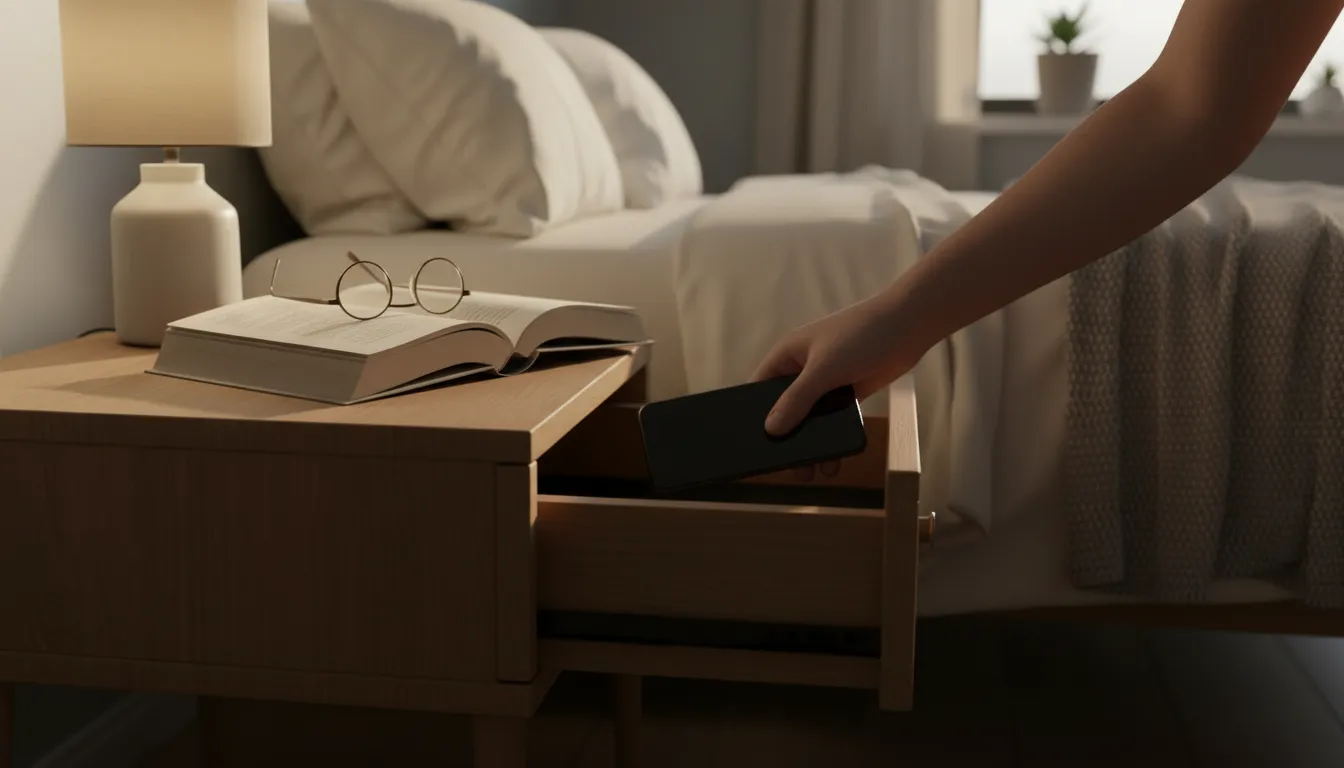
Avoid alcohol before bed
Refraining from consuming alcohol within several hours of bedtime to prevent disruption of sleep architecture and nighttime physiology.
Evidence grade: Essential
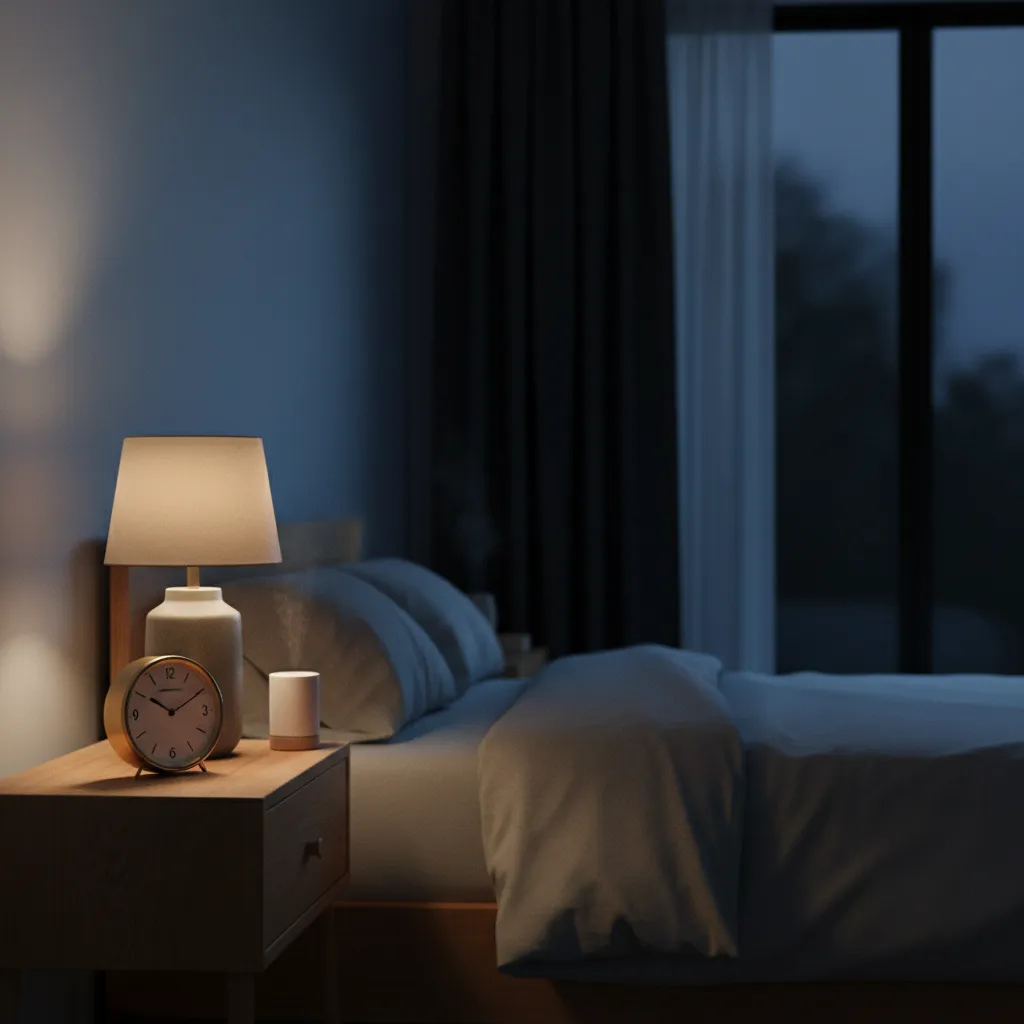
Avoid screens before bed
Limiting exposure to phones, tablets, TVs, or computers 1–2 hours before bedtime to prevent light–induced melatonin suppression and cognitive overstimulation.
Evidence grade: Essential
Consistent bedtime and wake-up time
Going to bed and waking up at roughly the same time every day, including weekends, to align circadian rhythms and stabilize sleep–wake patterns.
Take control of your brain health
BetterBrain gives you a personalized protocol of techniques like these, backed by science and tailored to you.