Learn · Brain health technique
Learn and play instruments
Evidence grade: Context Dependent
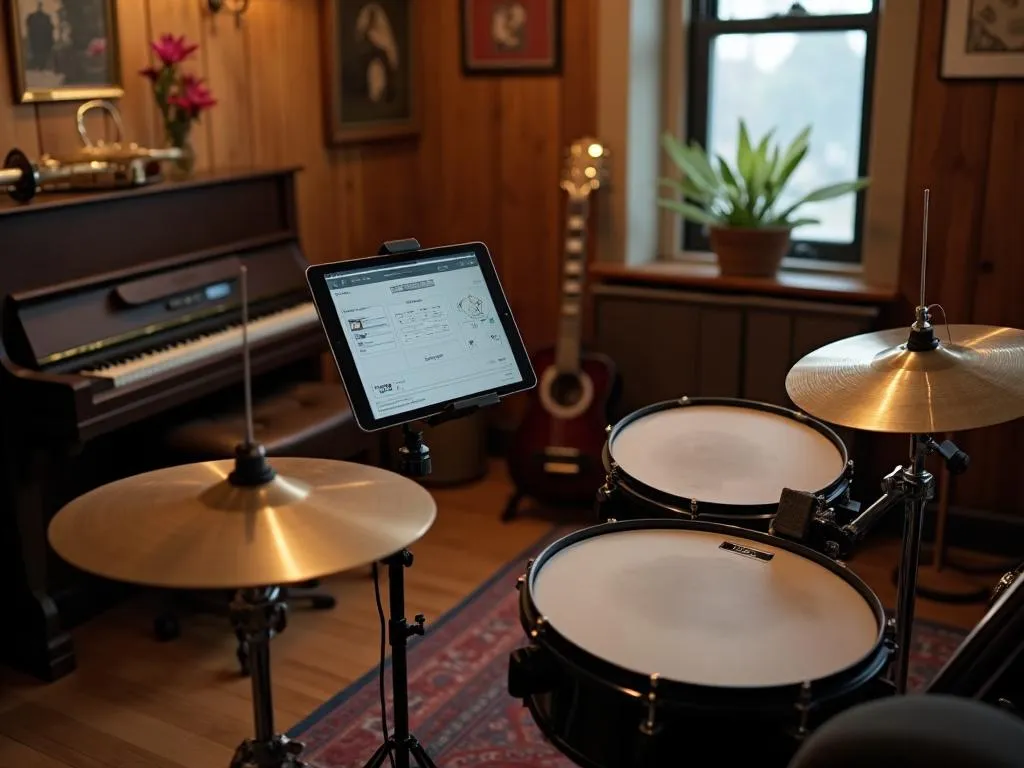
Practice or learn a musical instrument regularly, such as piano, guitar, or drums, to engage motor, auditory, and memory systems.
- Practice
- Learn
- Principle
- Engagement
- Tactic
- Creativity & Expression
- Health domains
- neurocognitive
- Evidence grade
- Context Dependent
- Strength of evidence
- Medium
- Cost
- High
- Effort
- High
- Time commitment
- High
How to practice Learn and play instruments
Pick an instrument that allows you to play a music style you really enjoy. Practice at least 2–4 times per week for 20–45 minutes, focusing on progressive skill development rather than rote repetition. Combine reading music, timing, and fine motor control to maximize cognitive load. Group lessons or ensemble play add social and attentional benefits. Choose an instrument you enjoy to sustain long-term engagement; consistency over years matters more than intensity over weeks.
The evidence behind Learn and play instruments
Studies link music training to stronger executive function, attention, and working memory. Most of this evidence comes from small studies or ones that only observe people. But music training is very safe, and there's a strong case for how it would work.
Impact on brain health
Practicing an instrument is thought to strengthen the brain circuits for sound and movement through neuroplasticity. Musicians often show stronger processing of sound and better connections between brain areas. This evidence also comes mostly from small studies or ones that only observe people.
Reviewed by BetterBrain's clinical advisors · Updated November 2026 · Our science
More Learn techniques
Pair this with other habits from the same practice.

Evidence grade: Essential
Cognitively engaging hobbies
Leisure activities that demand active thinking, planning, and skill refinement, such as chess, bridge, gardening, cooking from recipes, or photography, requiring sustained attenti…

Evidence grade: Essential
Reading
Purposeful engagement with written text, books, articles, or other materials, that requires sustained attention, comprehension, and reflection.

Evidence grade: Context Dependent
Continued education
Formal or informal learning beyond compulsory schooling, college courses, online classes, certifications, or community workshops, that require acquiring new, complex knowledge.
Take control of your brain health
BetterBrain gives you a personalized protocol of techniques like these, backed by science and tailored to you.