Sleep · Brain health technique
Limit caffeine late in the day
Evidence grade: Essential

Avoiding coffee, tea, energy drinks, or chocolate in the afternoon or evening to prevent stimulant interference with sleep onset and depth.
- Practice
- Sleep
- Principle
- Restoration
- Tactic
- Physiological & Metabolic Support
- Health domains
- vascular
- Evidence grade
- Essential
- Strength of evidence
- High
- Effort
- Low
- Time commitment
- Low
How to practice Limit caffeine late in the day
Stop caffeine intake at least 10-12 hours before intended bedtime (typically before 12-2 p.m.). If sensitive, taper earlier or reduce total dose. Substitute with decaf or herbal teas. For consistent sleepers, occasional late caffeine may be tolerable in small amounts but monitor for restlessness or delayed sleep onset.
The evidence behind Limit caffeine late in the day
Caffeine blocks the receptors for adenosine. For up to 6 to 9 hours, that delays sleepiness and cuts your deep sleep. In sleep-lab trials, 400 mg even 6 hours before bed cut total sleep by nearly an hour. Drug and population studies give strong evidence.
Impact on brain health
Caffeine has a long half-life (3 to 9 hours for your body to clear half of it), so it keeps your brain's alertness circuits active for hours, which holds off sleep.
Reviewed by BetterBrain's clinical advisors · Updated November 2026 · Our science
More Sleep techniques
Pair this with other habits from the same practice.

Evidence grade: Essential
Avoid alcohol before bed
Refraining from consuming alcohol within several hours of bedtime to prevent disruption of sleep architecture and nighttime physiology.
Evidence grade: Essential
Avoid screens before bed
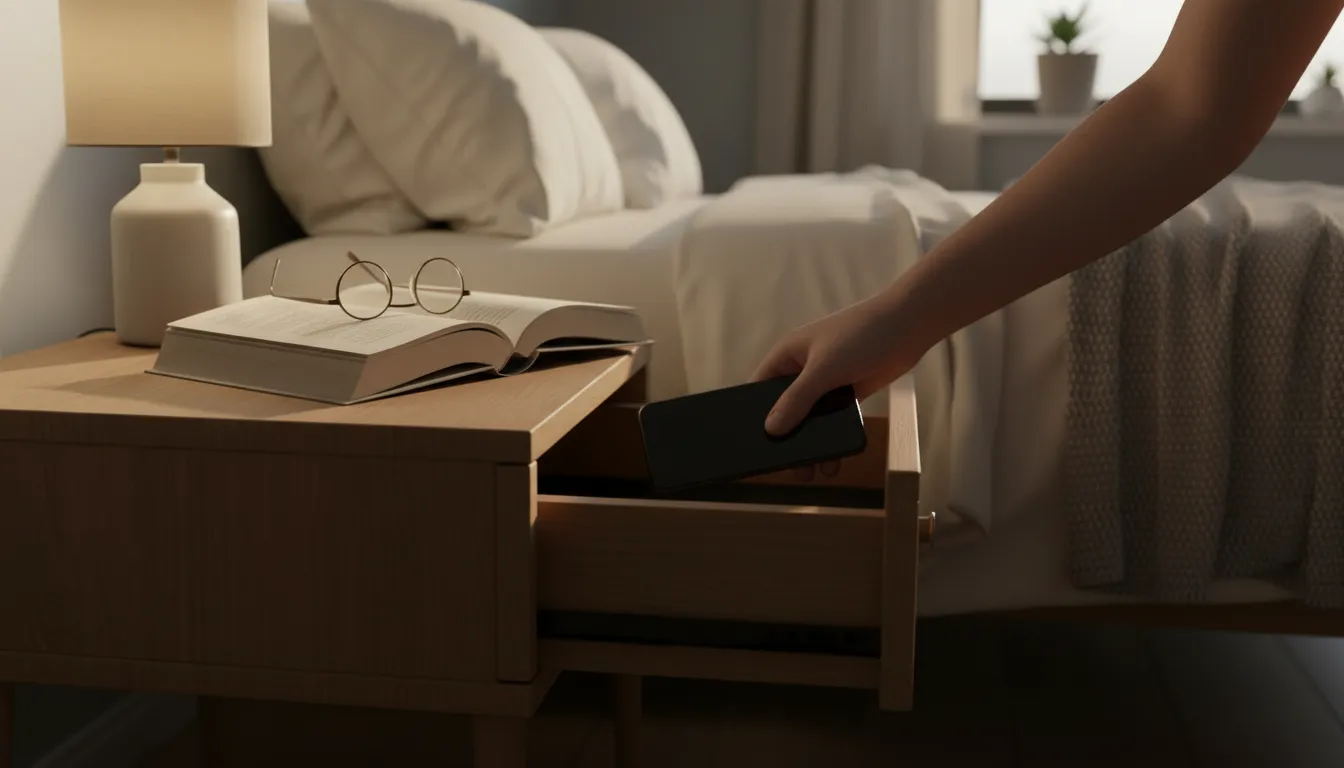
Limiting exposure to phones, tablets, TVs, or computers 1–2 hours before bedtime to prevent light–induced melatonin suppression and cognitive overstimulation.
Evidence grade: Essential
Consistent bedtime and wake-up time
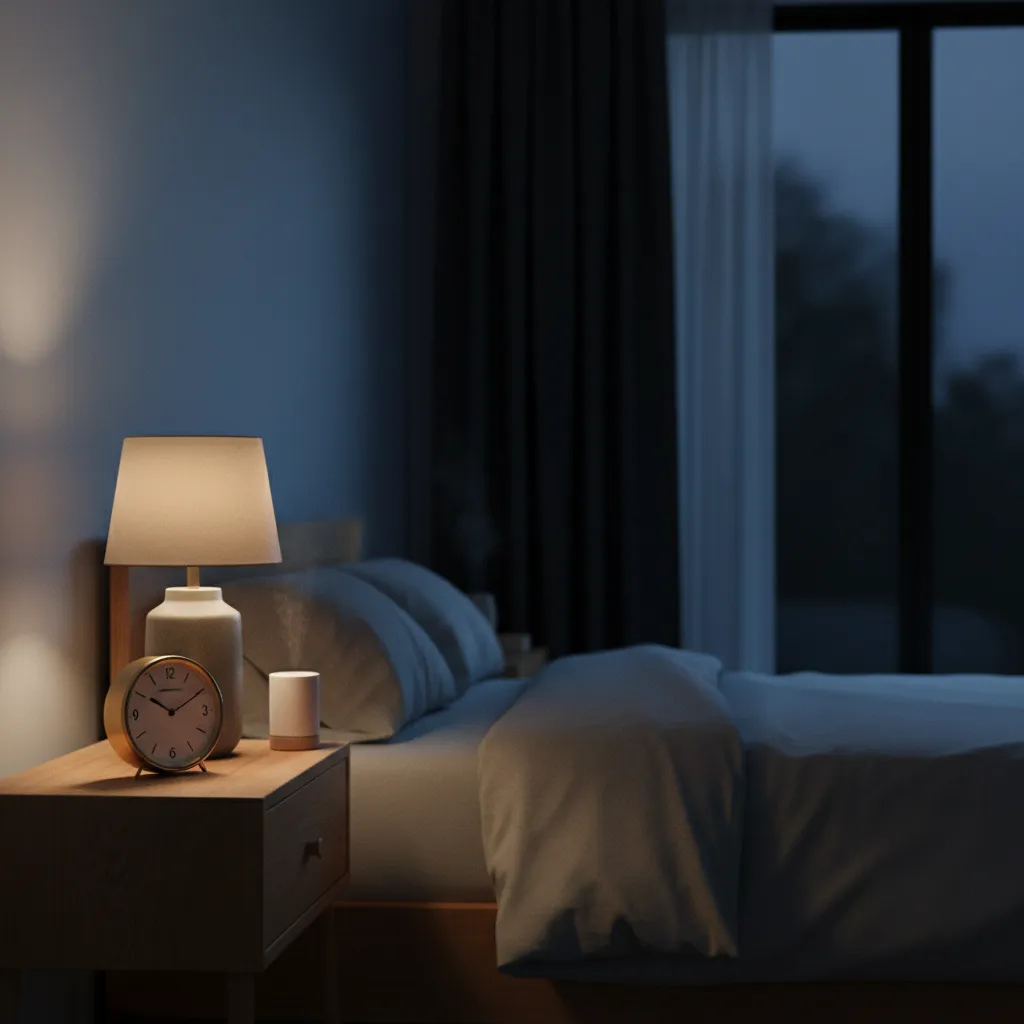
Going to bed and waking up at roughly the same time every day, including weekends, to align circadian rhythms and stabilize sleep–wake patterns.
Take control of your brain health
BetterBrain gives you a personalized protocol of techniques like these, backed by science and tailored to you.