Moderate Toxins · Brain health technique
Minimize exposure to persistent organic pollutants (POPs / “forever chemicals”)
Evidence grade: Experimental

Long-lasting synthetic compounds that build up in the environment and body fat. They include per- and polyfluoroalkyl substances (PFAS) found in non-stick cookware, stain-resistant fabrics, and fast-food wrappers; polychlorinated biphenyls (PCBs) in old electrical equipment; dioxins; and certain flame retardants and pesticides. These chemicals persist for decades and interfere with hormones and metabolism.
- Practice
- Moderate Toxins
- Principle
- Protection
- Tactic
- Minimize Environmental Toxins
- Evidence grade
- Experimental
- Strength of evidence
- Low
How to practice Minimize exposure to persistent organic pollutants (POPs / “forever chemicals”)
Hard to avoid completely; effects are cumulative and lifelong. Risk likely scales with total body burden, which is higher in people with long-term occupational or dietary exposure. Regular blood or plasma donations can help reduce levels.
The evidence behind Minimize exposure to persistent organic pollutants (POPs / “forever chemicals”)
These chemicals stay in your body for years. PCBs (chemicals once used in electrical equipment) and dioxins build up in fat, while many PFAS bind to proteins in your blood and organs. These chemicals alter hormones and immune signaling. Higher PFAS levels are linked to higher cholesterol and a weaker response to vaccines.
Impact on brain health
These compounds can also build up in brain tissue. Some human studies link higher blood levels of PFAS and PCBs to slower processing speed and more cognitive decline. Animal studies show more amyloid and tau, but direct evidence on dementia is limited.
Reviewed by BetterBrain's clinical advisors · Updated November 2026 · Our science
More Moderate Toxins techniques
Pair this with other habits from the same practice.
Evidence grade: Essential
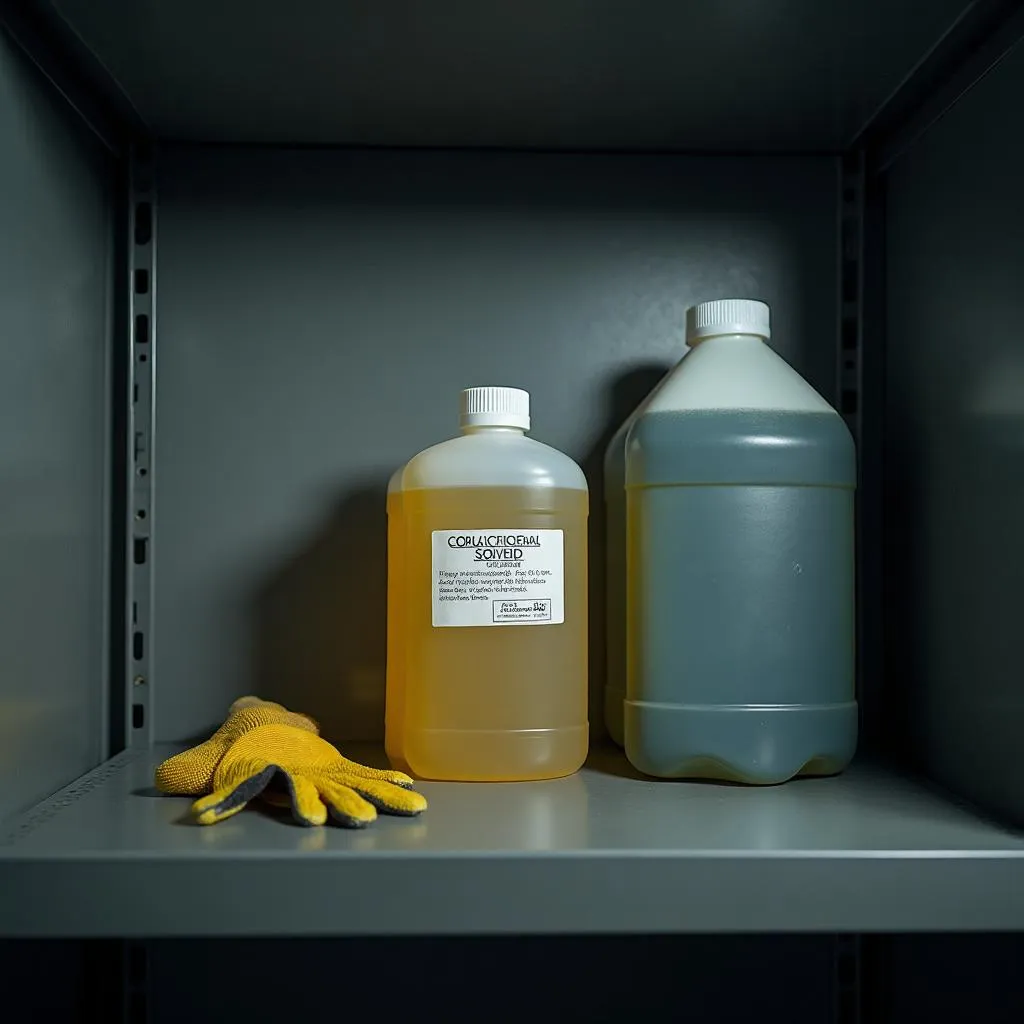
Avoid exposure to industrial solvents
Liquid chemicals used to dissolve oils, paints, or grease in manufacturing, construction, and hobbies.

Evidence grade: Essential
Avoid fine particulate air pollution (PM₂.₅)
Microscopic particles less than 2.5 micrometers wide that come from vehicle exhaust, industrial emissions, wildfires, and any kind of indoor combustion such as wood stoves, candle…

Evidence grade: Essential
Avoid nitrogen oxides
Gases released from traffic exhaust, power plants, and gas stoves when fuel burns.
Take control of your brain health
BetterBrain gives you a personalized protocol of techniques like these, backed by science and tailored to you.