Move · Brain health technique
Mobility and stability training
Evidence grade: Essential
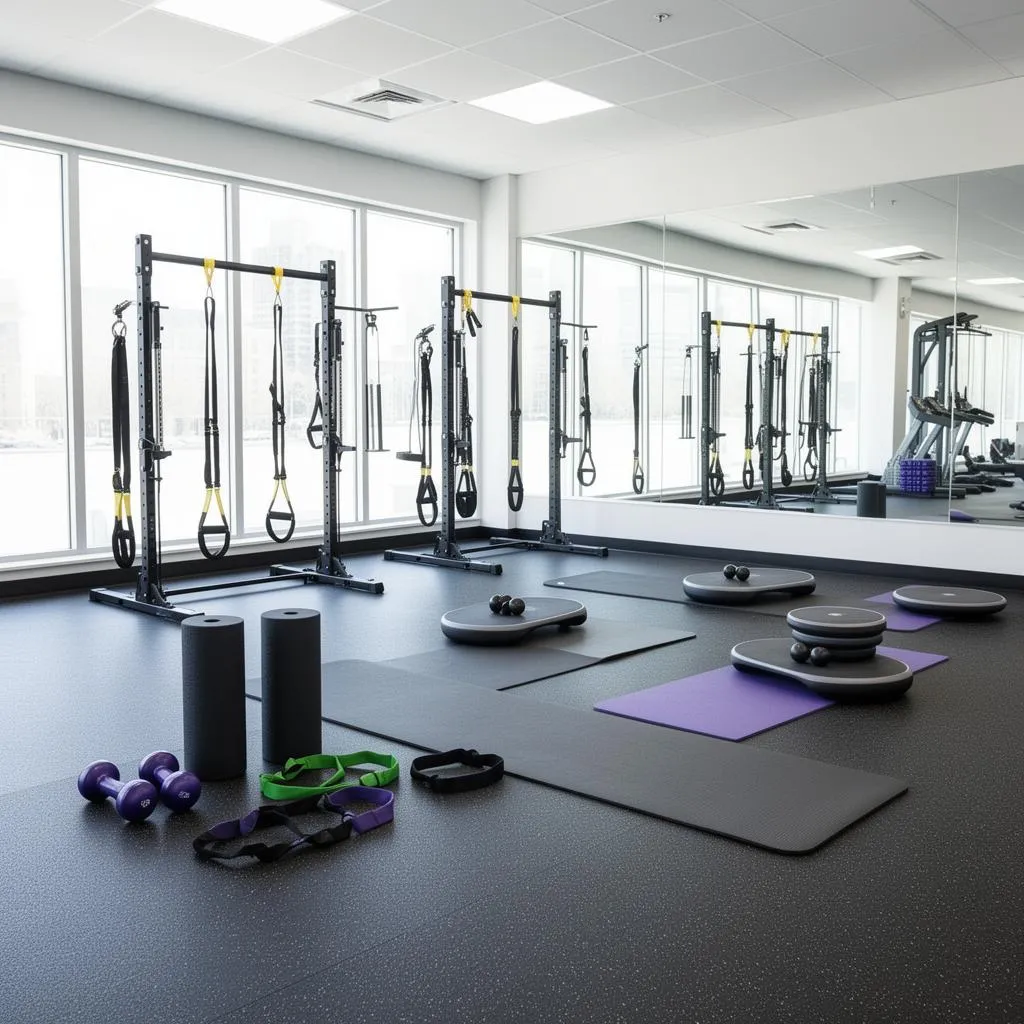
Exercises that enhance joint range of motion, muscular control, and postural balance—combining stretching, dynamic movement, and stabilizing strength work (e.g., yoga flows, controlled articular rotations, balance drills).
- Practice
- Move
- Principle
- Engagement
- Tactic
- Training
- Evidence grade
- Essential
- Strength of evidence
- High
- Cost
- Low
- Effort
- Medium
- Time commitment
- High
How to practice Mobility and stability training
Dedicate 10–20 minutes daily or 2–3 longer sessions per week. Focus on hips, spine, and shoulders. Incorporate controlled slow movements (e.g., CARS, planks, single-leg stands). Prioritize quality of motion over intensity. Excellent warm-up or recovery-day option. Consistent practice maintains posture, flexibility, and balance into older age.
The evidence behind Mobility and stability training
Mobility work keeps your joints moving well and reduces pain. Stability training improves how your muscles and joints work together. Studies show these practices lower your risk of injury and improve proprioception. Done regularly, these practices help keep your posture and balance as you age. Benefits are strongest when combined with strength and aerobic work.
Impact on brain health
Studies show mobility and stability training also maintain the nerve pathways that control movement. Sensorimotor integration is how your brain blends what your senses report with how you move. These practices are thought to keep sensorimotor integration working, which is important for an aging brain.
Reviewed by BetterBrain's clinical advisors · Updated November 2026 · Our science
More Move techniques
Pair this with other habits from the same practice.
Evidence grade: Essential
Aerobic cardio training
Sustained rhythmic exercise—like walking, cycling, swimming, or running—that raises heart rate and breathing while using oxygen efficiently for energy production.

Evidence grade: Essential
Daily movement
Any consistent physical activity performed throughout the day—walking, stretching, chores, or standing breaks—that keeps the body in motion and circulation active.

Evidence grade: Essential
Movement outdoors
Physical activity performed outside—such as walking, hiking, or gardening—combining exercise with natural light exposure, fresh air, and sensory stimulation.
Take control of your brain health
BetterBrain gives you a personalized protocol of techniques like these, backed by science and tailored to you.