Relate · Brain health technique
Pets
Evidence grade: Context Dependent
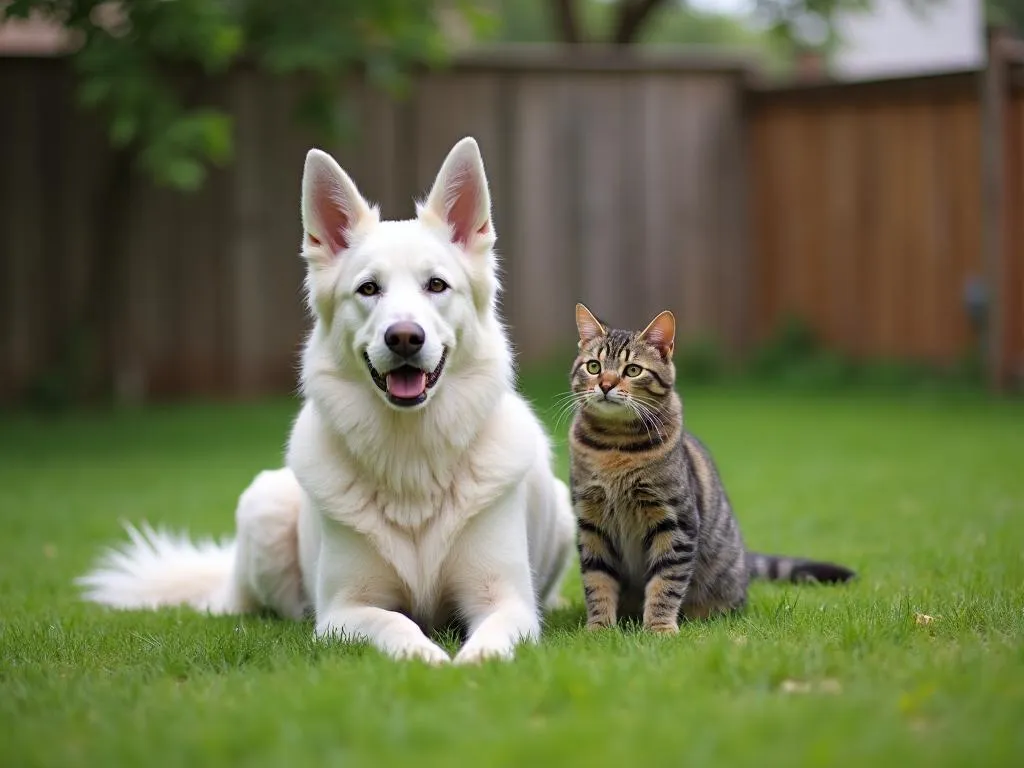
Caring for animals that provide companionship, structure, and physical touch, such as dogs or cats.
- Practice
- Relate
- Principle
- Engagement
- Tactic
- Build New Relationships
- Evidence grade
- Context Dependent
- Strength of evidence
- Medium
- Cost
- High
- Effort
- Medium
- Time commitment
- High
How to practice Pets
If lifestyle allows, maintain daily contact, walks, play, grooming. For non-owners, volunteer with shelters or therapy-animal programs. Benefits hinge on consistency and emotional bond, not species.
The evidence behind Pets
Spending time with a pet lowers cortisol and blood pressure. Time with a pet also raises oxytocin. Studies that compare pet owners with non-owners link having a pet to less loneliness and stress.
Impact on brain health
Evidence that pets directly help your memory and thinking is modest. A benefit is still plausible, since pets can get you moving, connect you with people, and lift your emotional health.
Reviewed by BetterBrain's clinical advisors · Updated November 2026 · Our science
More Relate techniques
Pair this with other habits from the same practice.

Evidence grade: Essential
Build or strengthen social skills
Developing empathy, listening, communication, and conflict-resolution abilities that improve connection and trust across relationships.

Evidence grade: Essential
Express gratitude and appreciation
The deliberate practice of acknowledging and verbalizing thanks, privately or to others, for actions, relationships, or experiences that have positive meaning.

Evidence grade: Essential
Healthy digital engagement
Using social media, texting, and digital communities intentionally, to inform, connect, and support, while minimizing doom-scrolling, comparison, or passive consumption.
Take control of your brain health
BetterBrain gives you a personalized protocol of techniques like these, backed by science and tailored to you.