De-stress · Brain health technique
Pharmacologic Therapies (Higher-Risk / Sedative)
Evidence grade: Mixed / Unclear
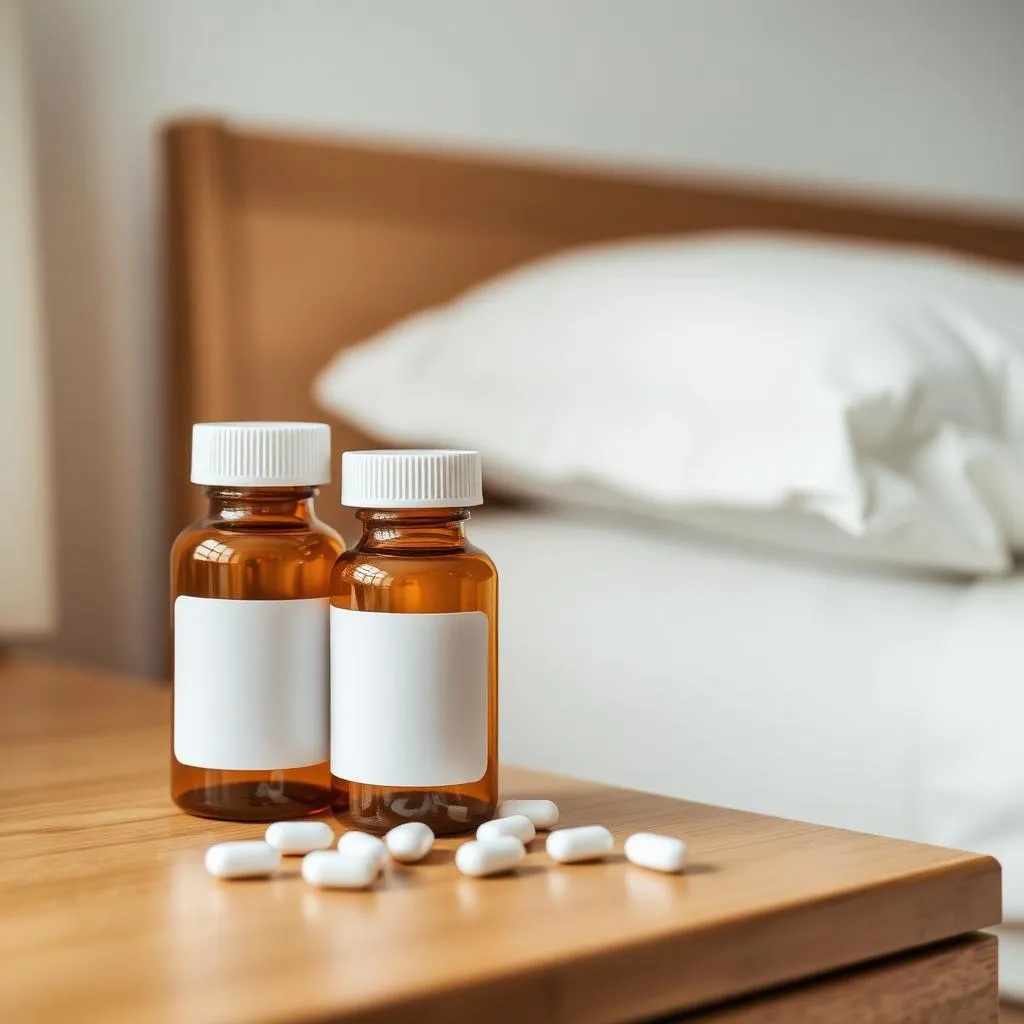
Short-term use of benzodiazepines or hypnotics (e.g., lorazepam, temazepam, zolpidem) for acute anxiety or insomnia relief.
- Practice
- De-stress
- Principle
- Restoration
- Tactic
- Clinical Therapy
- Evidence grade
- Mixed / Unclear
- Strength of evidence
- Medium
How to practice Pharmacologic Therapies (Higher-Risk / Sedative)
Reserve for short-term (≤2–4 weeks) use during acute distress or crisis. Use lowest effective dose under close supervision. Avoid combining with alcohol or other sedatives. Transition to behavioral or non-sedating therapies as soon as feasible to prevent dependence and rebound symptoms.
The evidence behind Pharmacologic Therapies (Higher-Risk / Sedative)
Benzodiazepines act on GABA-A receptors to calm you fast. These drugs broadly slow your central nervous system rather than targeting stress. Controlled studies show strong short-term benefit. Benzodiazepines carry a risk of dependence, and long-term use builds tolerance. They help in a crisis and harm over time.
Impact on brain health
Benzodiazepines also make it harder to form new memories. Studies link long-term use to cognitive decline, though that evidence is mixed.
Reviewed by BetterBrain's clinical advisors · Updated November 2026 · Our science
More De-stress techniques
Pair this with other habits from the same practice.

Evidence grade: Essential
Mindfulness Meditation
A structured practice of sustained, nonjudgmental awareness of present experience, typically focusing on breath, sensations, or thoughts, to reduce reactivity and enhance emotiona…

Evidence grade: Essential
Mindfulness-Based Stress Reduction (MBSR)
An 8-week structured program combining mindfulness meditation, body scanning, and gentle yoga to build awareness and reduce stress reactivity.

Evidence grade: Essential
Nature Exposure
Spending time in natural outdoor settings, parks, forests, gardens (“green”) or near water (“blue”), to reduce stress and restore cognitive and emotional balance.
Take control of your brain health
BetterBrain gives you a personalized protocol of techniques like these, backed by science and tailored to you.