Supplement · Brain health technique
Postbiotics
Evidence grade: Experimental
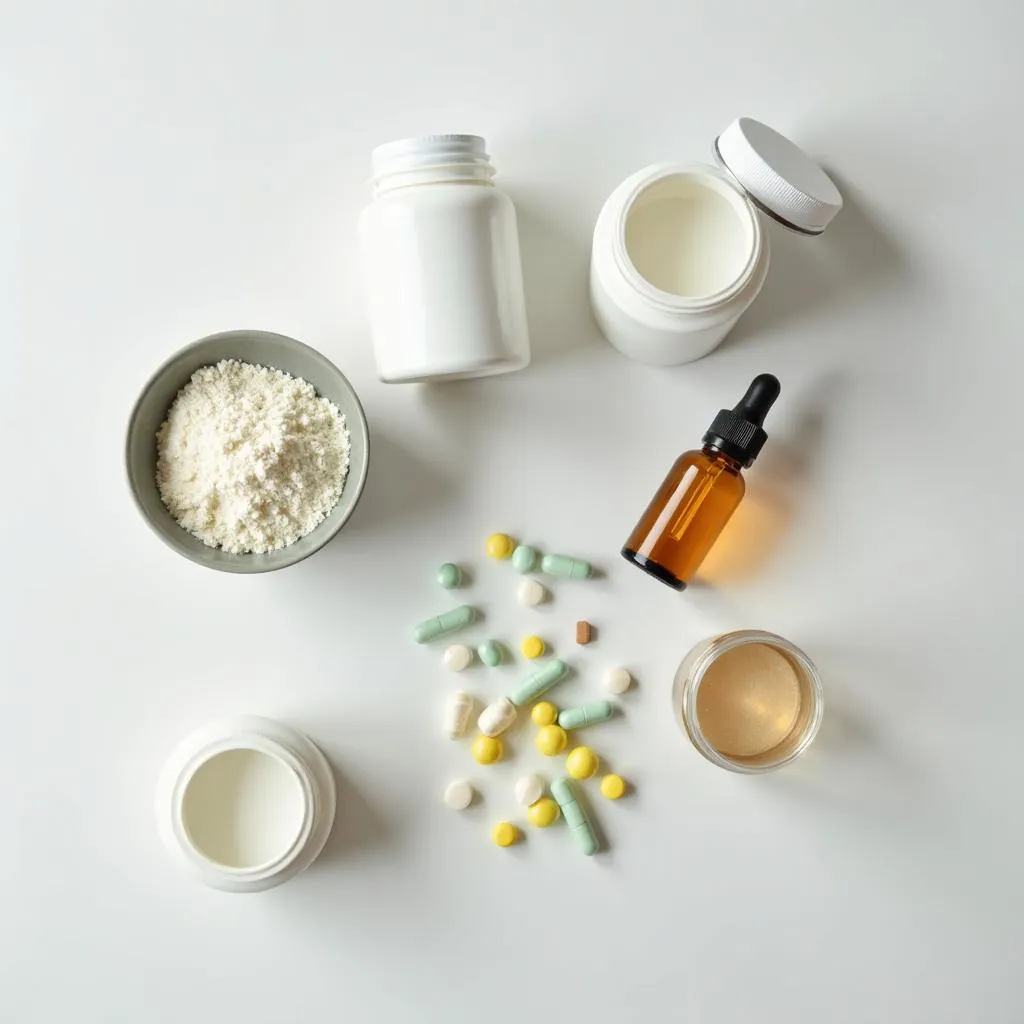
Bioactive compounds produced by probiotic fermentation, such as short-chain fatty acids (butyrate, acetate), enzymes, peptides, and cell wall fragments, that deliver health benefits without live bacteria.
- Practice
- Supplement
- Principle
- Nourishment
- Tactic
- Gut-brain & Immune Axis Support
- Evidence grade
- Experimental
- Strength of evidence
- Low
How to practice Postbiotics
Include naturally fermented foods that contain postbiotic metabolites (miso, kefir, sauerkraut). Supplemental postbiotics (e.g., heat-killed Lactobacillus plantarum strains) are emerging; follow manufacturer dosing (typically 100–300 mg/day). Best viewed as complementary to pre- and probiotics. Evidence base still developing.
The evidence behind Postbiotics
Postbiotics mimic many of the benefits of probiotics but don't need the microbes to be alive. Postbiotics help regulate immunity, strengthen your gut barrier, and reduce inflammation. Early human studies show less gut inflammation and a more resilient immune system.
Impact on brain health
Evidence for direct effects on your brain and mood is promising but still early.
Reviewed by BetterBrain's clinical advisors · Updated November 2026 · Our science
More Supplement techniques
Pair this with other habits from the same practice.
Evidence grade: Essential
Creatine
A naturally occurring compound made from amino acids that supports energy production in cells by replenishing ATP stores.
Evidence grade: Essential
Omega-3 (fish oil)
Supplements providing the long-chain omega-3 fatty acids EPA and DHA, typically from fish or algae oil.
Evidence grade: Essential
Vitamin D
A fat-soluble vitamin acting as a hormone that influences calcium balance, immune function, and brain signaling.
Take control of your brain health
BetterBrain gives you a personalized protocol of techniques like these, backed by science and tailored to you.