De-stress · Brain health technique
Progressive Muscle Relaxation (PMR)
Evidence grade: Context Dependent
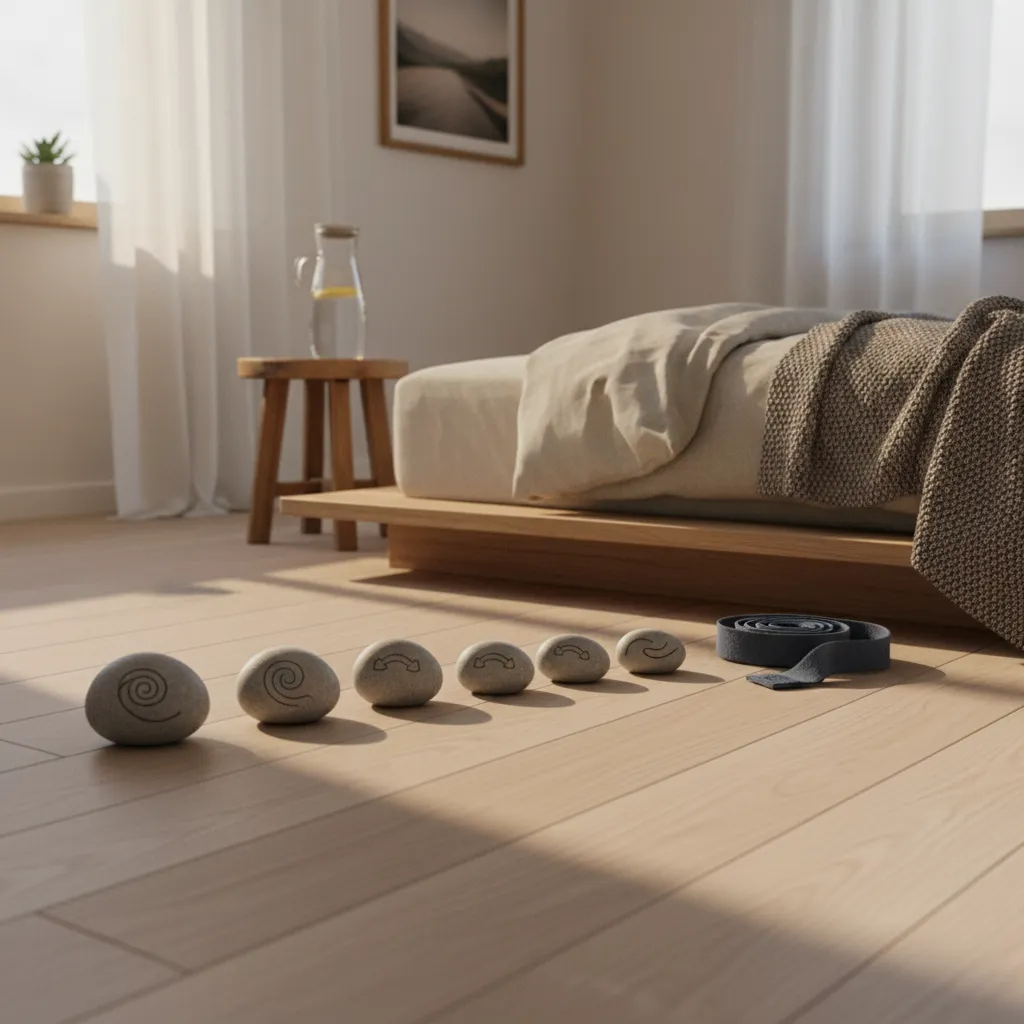
A guided practice that involves systematically tensing and relaxing muscle groups from head to toe to reduce physical tension and promote relaxation awareness.
- Practice
- De-stress
- Principle
- Restoration
- Tactic
- Core Regulation Practices
- Evidence grade
- Context Dependent
- Strength of evidence
- Medium
How to practice Progressive Muscle Relaxation (PMR)
Practice once daily or as part of a bedtime routine: sequentially tense each muscle group for ~5 seconds, then release for ~15 seconds. Work from feet upward. Use guided audio initially. Best for individuals with somatic tension or insomnia. Combine with slow breathing for additive calming.
The evidence behind Progressive Muscle Relaxation (PMR)
PMR calms your fight-or-flight response and helps your body shift into rest-and-recover mode. Clinical trials show consistent benefits for anxiety, stress-related insomnia, and blood pressure. Repeatedly tensing and releasing your muscles teaches you to notice tension and to calm your muscles and stress response on purpose.
Impact on brain health
Effects on memory, thinking, and brain structure are less studied. They're plausible, since PMR lowers chronic stress.
Reviewed by BetterBrain's clinical advisors · Updated November 2026 · Our science
More De-stress techniques
Pair this with other habits from the same practice.
Evidence grade: Essential
Mindfulness Meditation
A structured practice of sustained, nonjudgmental awareness of present experience, typically focusing on breath, sensations, or thoughts, to reduce reactivity and enhance emotiona…

Evidence grade: Essential
Mindfulness-Based Stress Reduction (MBSR)
An 8-week structured program combining mindfulness meditation, body scanning, and gentle yoga to build awareness and reduce stress reactivity.

Evidence grade: Essential
Nature Exposure
Spending time in natural outdoor settings, parks, forests, gardens (“green”) or near water (“blue”), to reduce stress and restore cognitive and emotional balance.
Take control of your brain health
BetterBrain gives you a personalized protocol of techniques like these, backed by science and tailored to you.