De-stress · Brain health technique
Psychedelic-Assisted Therapy (Clinical Trials)
Evidence grade: Experimental
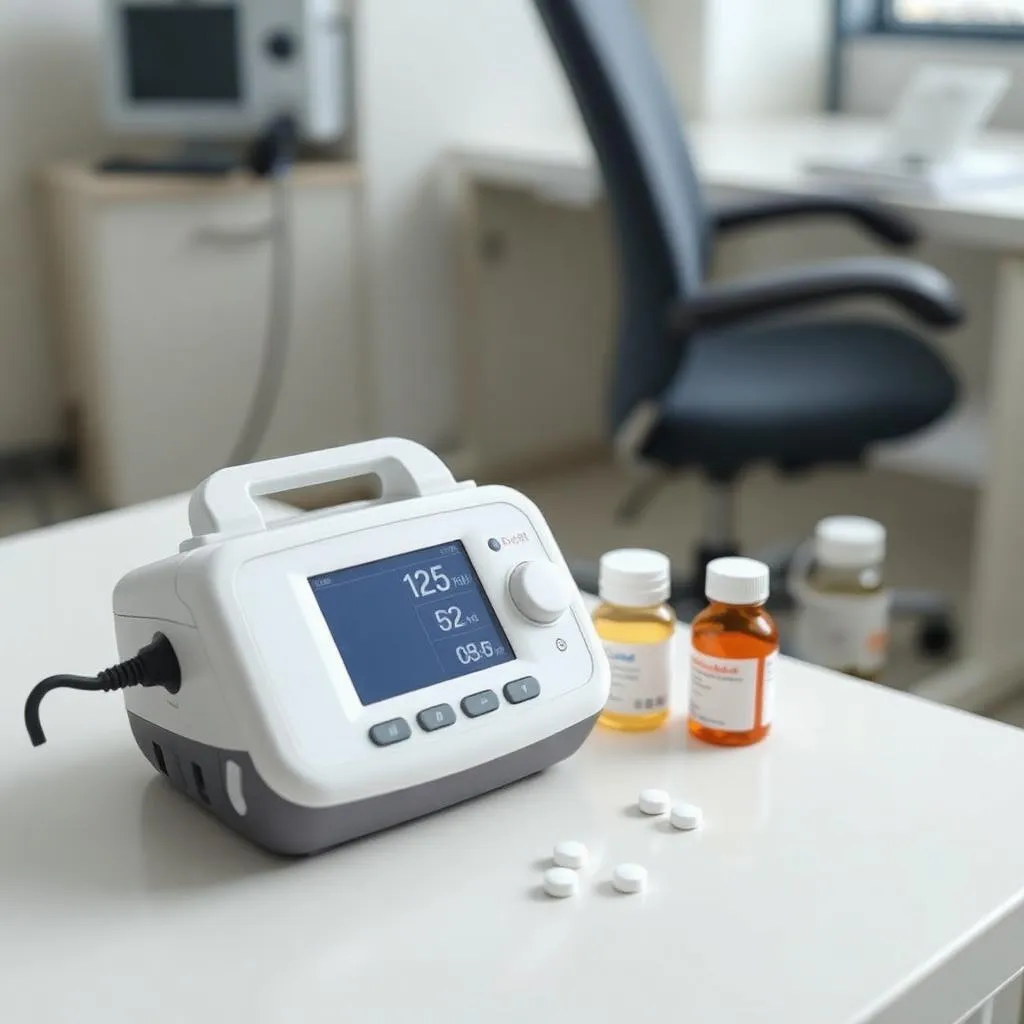
Controlled, therapist-guided sessions using agents such as psilocybin or MDMA to process trauma, anxiety, or existential distress under medical supervision.
- Practice
- De-stress
- Principle
- Restoration
- Tactic
- Clinical Therapy
- Evidence grade
- Experimental
- Strength of evidence
- Low
How to practice Psychedelic-Assisted Therapy (Clinical Trials)
Only pursue within FDA-approved or IRB-regulated clinical trials or licensed programs. Requires screening for psychiatric and cardiovascular contraindications. Sessions include structured preparation, dosing, and integration therapy. Not suitable for unsupervised or recreational use; legal status remains restricted.
The evidence behind Psychedelic-Assisted Therapy (Clinical Trials)
Early phase 2 and 3 trials (studies that test whether a treatment works) show large, sustained reductions in PTSD, depression, and anxiety. Data so far come only from research settings. Long-term safety and access are still uncertain. The evidence is promising, but results may not yet hold outside trials.
Impact on brain health
These therapies are thought to act on serotonin receptors and oxytocin pathways in your brain, boosting neuroplasticity and emotional reconsolidation.
Reviewed by BetterBrain's clinical advisors · Updated November 2026 · Our science
More De-stress techniques
Pair this with other habits from the same practice.
Evidence grade: Essential
Mindfulness Meditation
A structured practice of sustained, nonjudgmental awareness of present experience, typically focusing on breath, sensations, or thoughts, to reduce reactivity and enhance emotiona…

Evidence grade: Essential
Mindfulness-Based Stress Reduction (MBSR)
An 8-week structured program combining mindfulness meditation, body scanning, and gentle yoga to build awareness and reduce stress reactivity.

Evidence grade: Essential
Nature Exposure
Spending time in natural outdoor settings, parks, forests, gardens (“green”) or near water (“blue”), to reduce stress and restore cognitive and emotional balance.
Take control of your brain health
BetterBrain gives you a personalized protocol of techniques like these, backed by science and tailored to you.