De-stress · Brain health technique
Reduce Environmental Noise & Clutter
Evidence grade: Context Dependent
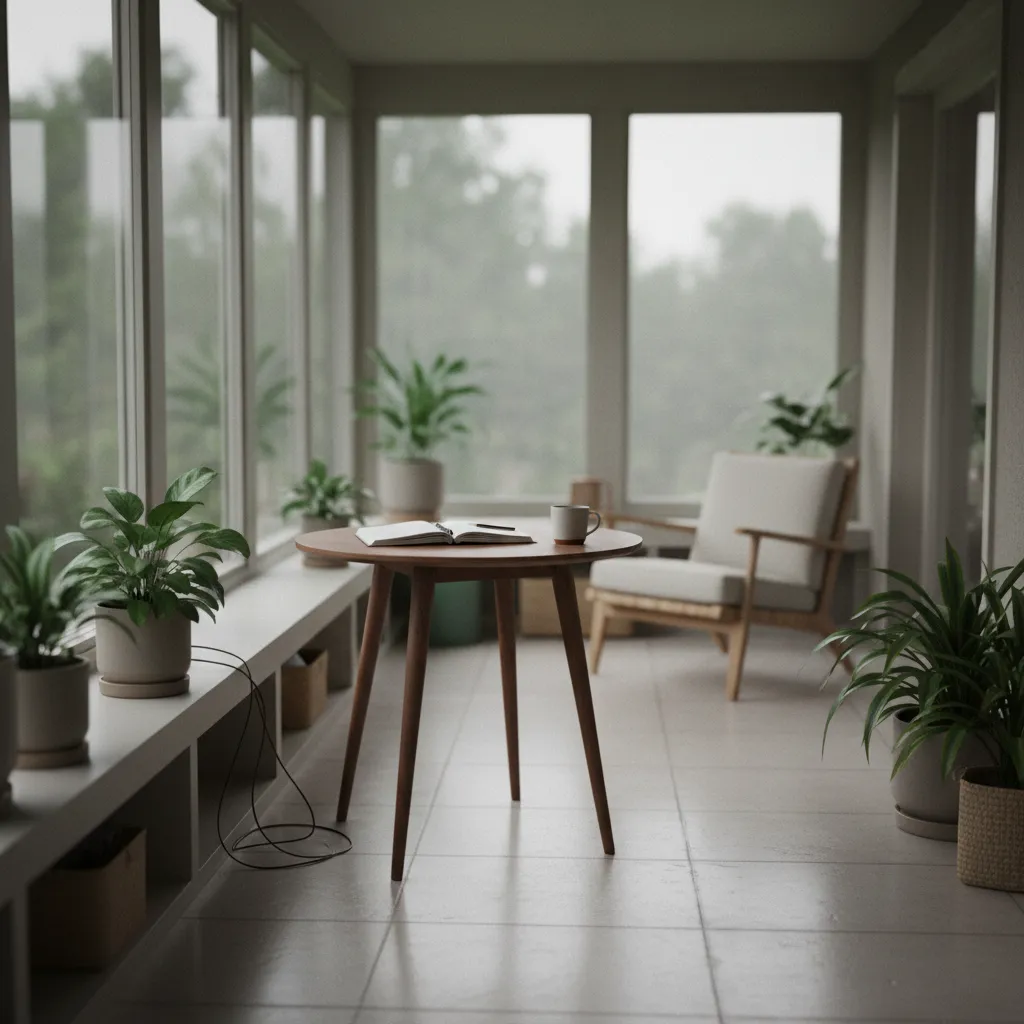
Creating a calm, organized, and quiet living or work space to minimize sensory overload and cognitive fatigue.
- Practice
- De-stress
- Principle
- Restoration
- Tactic
- Social & Environmental Factors
- Evidence grade
- Context Dependent
- Strength of evidence
- Medium
- Cost
- Medium
- Effort
- Low
- Time commitment
- Low
How to practice Reduce Environmental Noise & Clutter
Identify and reduce unnecessary sensory load: declutter visible surfaces, organize storage, and minimize background noise. Use soft materials, plants, or white noise to buffer sound. Schedule periodic cleanups to maintain calm. Combine with lighting and temperature optimization for a restorative environment.
The evidence behind Reduce Environmental Noise & Clutter
Chronic noise and clutter are stressors in your surroundings. They can raise cortisol. Constant sensory input keeps your body's fight-or-flight response working harder. Studies show that noisy or visually chaotic settings increase stress. The evidence that cutting noise and clutter lowers stress is moderate but clear.
Impact on brain health
Noise and clutter also impair attention and working memory. They strain the brain networks that control attention. The link to long-term brain health is indirect.
Reviewed by BetterBrain's clinical advisors · Updated November 2026 · Our science
More De-stress techniques
Pair this with other habits from the same practice.
Evidence grade: Essential
Mindfulness Meditation
A structured practice of sustained, nonjudgmental awareness of present experience, typically focusing on breath, sensations, or thoughts, to reduce reactivity and enhance emotiona…

Evidence grade: Essential
Mindfulness-Based Stress Reduction (MBSR)
An 8-week structured program combining mindfulness meditation, body scanning, and gentle yoga to build awareness and reduce stress reactivity.

Evidence grade: Essential
Nature Exposure
Spending time in natural outdoor settings, parks, forests, gardens (“green”) or near water (“blue”), to reduce stress and restore cognitive and emotional balance.
Take control of your brain health
BetterBrain gives you a personalized protocol of techniques like these, backed by science and tailored to you.