Sleep · Brain health technique
Relaxation practice before bed
Evidence grade: Context Dependent
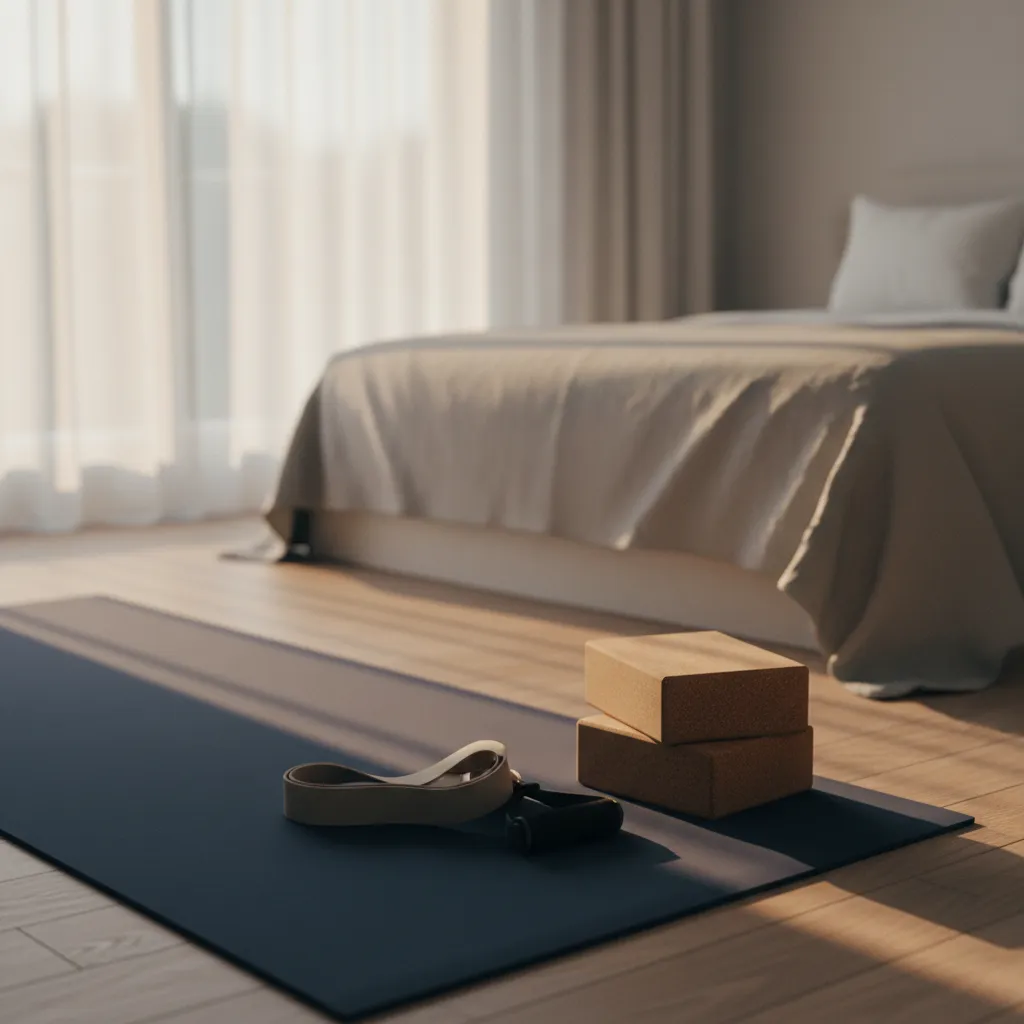
A deliberate routine, such as breathing exercises, meditation, gentle stretching, or reading, that lowers sympathetic arousal and prepares the body for sleep onset.
- Practice
- Sleep
- Principle
- Restoration
- Tactic
- Quality And Consistency
- Health domains
- hormonal
- Evidence grade
- Context Dependent
- Strength of evidence
- Medium
- Effort
- Low
- Time commitment
- Medium
How to practice Relaxation practice before bed
Begin a 30-60 minute wind-down period before bed. Dim lights, avoid screens, and perform a consistent calming ritual (e.g., breathing 4-7-8, light reading, or gentle yoga). Keep timing predictable to condition faster onset. If relaxation doesn’t help after 2–3 weeks, evaluate caffeine, alcohol, or stress exposure during the day.
The evidence behind Relaxation practice before bed
Relaxing before bed lowers cortisol and heart rate. This makes it easier to fall asleep and stay asleep. Pooled studies of mindfulness and progressive muscle relaxation show moderate gains in how fast you fall asleep and how well you sleep. Relaxation boosts your rest-and-digest system. That eases the shift into deep sleep. The evidence is strongest in people with insomnia or high stress. Relaxation matters less for people who already sleep well.
Reviewed by BetterBrain's clinical advisors · Updated November 2026 · Our science
More Sleep techniques
Pair this with other habits from the same practice.

Evidence grade: Essential
Avoid alcohol before bed
Refraining from consuming alcohol within several hours of bedtime to prevent disruption of sleep architecture and nighttime physiology.

Evidence grade: Essential
Avoid screens before bed
Limiting exposure to phones, tablets, TVs, or computers 1–2 hours before bedtime to prevent light–induced melatonin suppression and cognitive overstimulation.
Evidence grade: Essential
Consistent bedtime and wake-up time
Going to bed and waking up at roughly the same time every day, including weekends, to align circadian rhythms and stabilize sleep–wake patterns.
Take control of your brain health
BetterBrain gives you a personalized protocol of techniques like these, backed by science and tailored to you.