De-stress · Brain health technique
Sauna / Heat Therapy
Evidence grade: Context Dependent
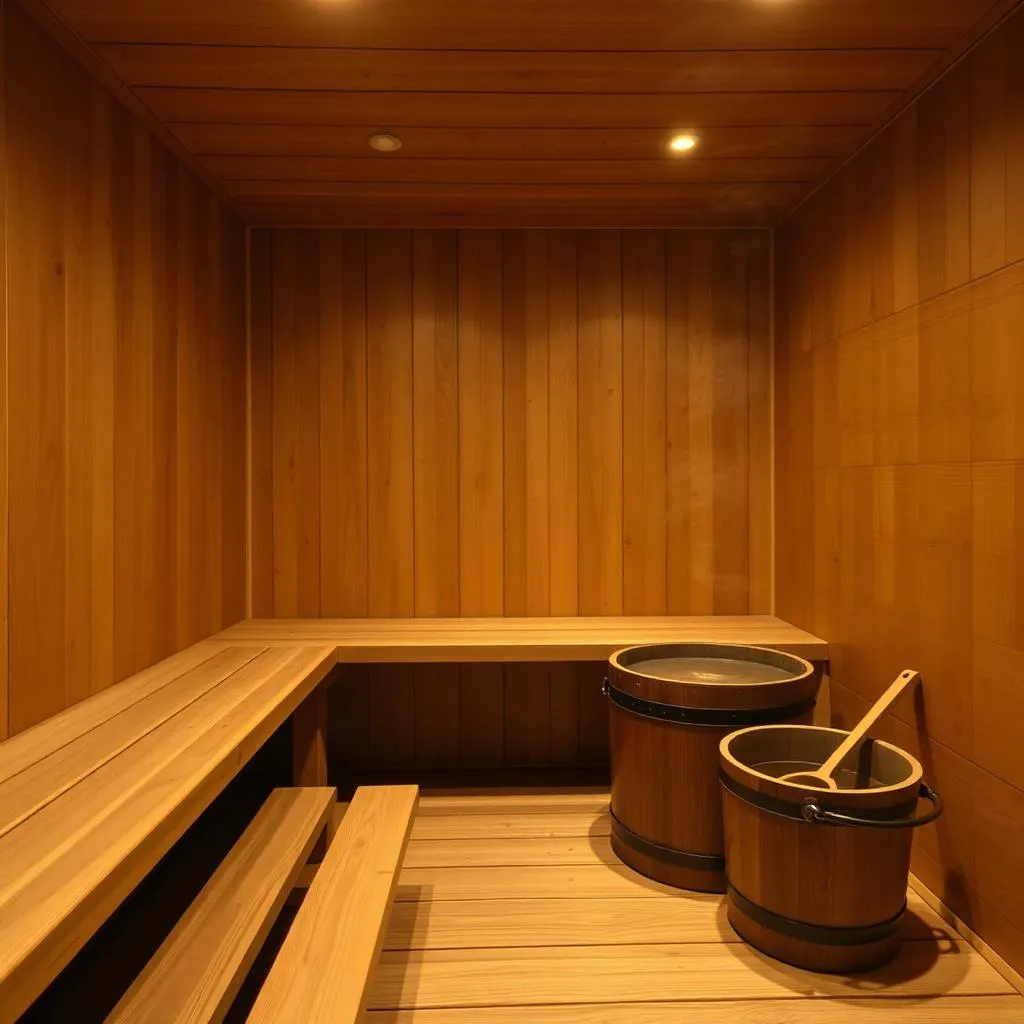
Periodic use of dry or steam heat (e.g., Finnish sauna, infrared sauna) to raise core body temperature and induce controlled hyperthermia, followed by gradual cooling.
- Practice
- De-stress
- Principle
- Restoration
- Tactic
- Recovery
- Health domains
- mental health
- Evidence grade
- Context Dependent
- Strength of evidence
- Medium
- Cost
- High
- Effort
- Low
- Time commitment
- High
How to practice Sauna / Heat Therapy
Begin with 1–3 sessions per week, 10–20 minutes at 160–180°F (70–82°C), followed by a cool-down period. Work your way up to 4+ sessions per week at 180F (dry) for 20 minutes - consistent with the highest benefit cohort in the Finnish studies. Hydrate well and avoid alcohol or dehydration. Those with cardiovascular disease should consult a physician before regular use. Consistency and gradual adaptation matter more than duration extremes. Avoid extreme heat - at least one observational study showed increased dementia risk in 200F+ heat.
The evidence behind Sauna / Heat Therapy
Large long-term studies in Finland link regular sauna use to fewer heart and blood vessel deaths. Sauna use is also linked to better mood. Heat stress boosts circulation and triggers heat-shock proteins, which help repair stressed cells. Heat stress also acts on blood vessels and heart-rate control like mild exercise. The evidence comes from tracking people over time.
Impact on brain health
The same Finnish studies link regular sauna use to a lower risk of dementia. Among the most frequent users (4 to 7 sessions a week), Alzheimer's risk was 65% lower than in once-a-week users. Like the heart findings, this link comes from tracking people over time, but it's consistent.
Reviewed by BetterBrain's clinical advisors · Updated November 2026 · Our science
More De-stress techniques
Pair this with other habits from the same practice.
Evidence grade: Essential
Mindfulness Meditation
A structured practice of sustained, nonjudgmental awareness of present experience, typically focusing on breath, sensations, or thoughts, to reduce reactivity and enhance emotiona…

Evidence grade: Essential
Mindfulness-Based Stress Reduction (MBSR)
An 8-week structured program combining mindfulness meditation, body scanning, and gentle yoga to build awareness and reduce stress reactivity.

Evidence grade: Essential
Nature Exposure
Spending time in natural outdoor settings, parks, forests, gardens (“green”) or near water (“blue”), to reduce stress and restore cognitive and emotional balance.
Take control of your brain health
BetterBrain gives you a personalized protocol of techniques like these, backed by science and tailored to you.