Relate · Brain health technique
Social prescribing programs
Evidence grade: Mixed / Unclear
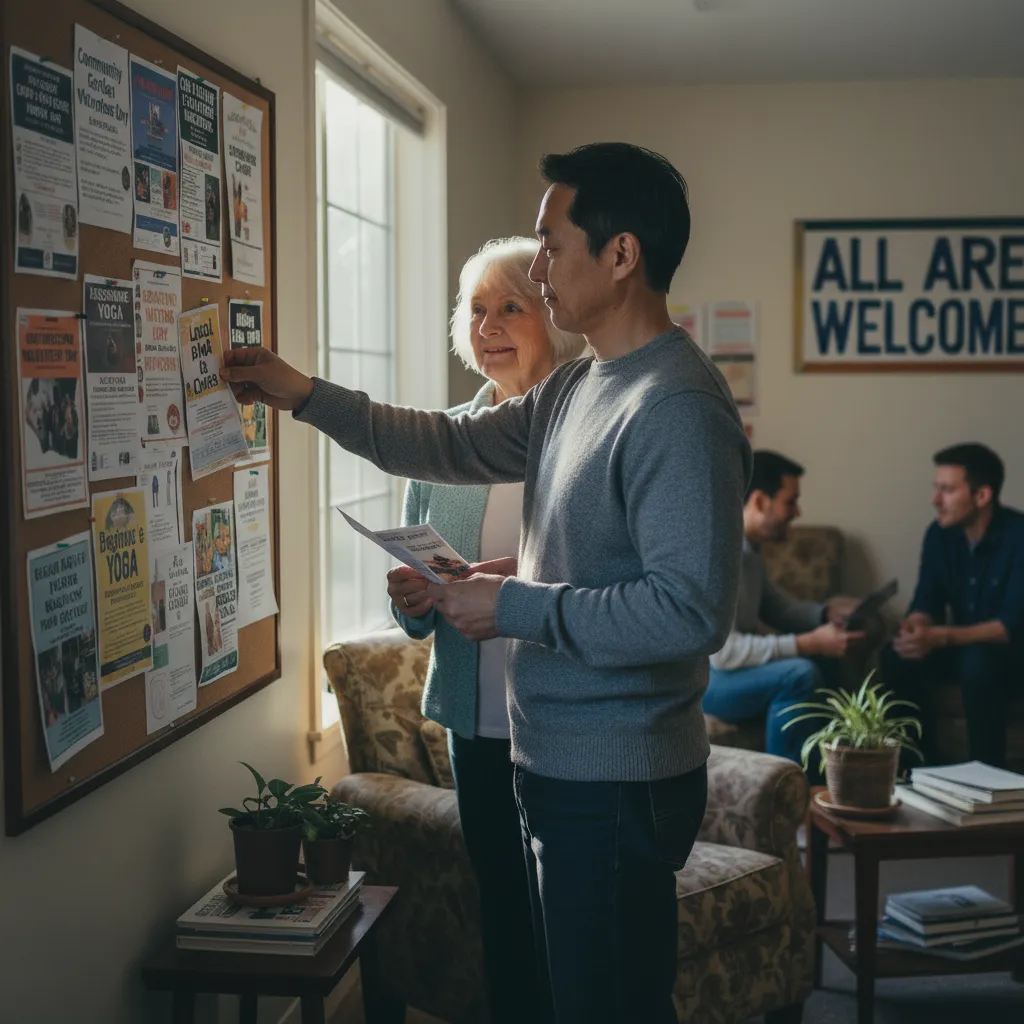
Healthcare or community initiatives linking people to social or volunteer activities to combat isolation.
- Practice
- Relate
- Principle
- Engagement
- Tactic
- Build New Relationships
- Evidence grade
- Mixed / Unclear
- Strength of evidence
- Medium
How to practice Social prescribing programs
Explore if recommended by a clinician or community group, but treat as an adjunct, not a validated therapy. Choose activities you would find intrinsically meaningful regardless of referral source.
The evidence behind Social prescribing programs
Observational studies suggest social prescribing improves mood and reduces healthcare visits. Randomized controlled trials that measure physical health are sparse. The reasons social prescribing might work (like structured connection, purpose, and routine) make sense in theory but are unproven in large populations.
Reviewed by BetterBrain's clinical advisors · Updated November 2026 · Our science
More Relate techniques
Pair this with other habits from the same practice.

Evidence grade: Essential
Build or strengthen social skills
Developing empathy, listening, communication, and conflict-resolution abilities that improve connection and trust across relationships.

Evidence grade: Essential
Express gratitude and appreciation
The deliberate practice of acknowledging and verbalizing thanks, privately or to others, for actions, relationships, or experiences that have positive meaning.

Evidence grade: Essential
Healthy digital engagement
Using social media, texting, and digital communities intentionally, to inform, connect, and support, while minimizing doom-scrolling, comparison, or passive consumption.
Take control of your brain health
BetterBrain gives you a personalized protocol of techniques like these, backed by science and tailored to you.