Drugs · Brain health technique
Testosterone Replacement
Evidence grade: Context Dependent
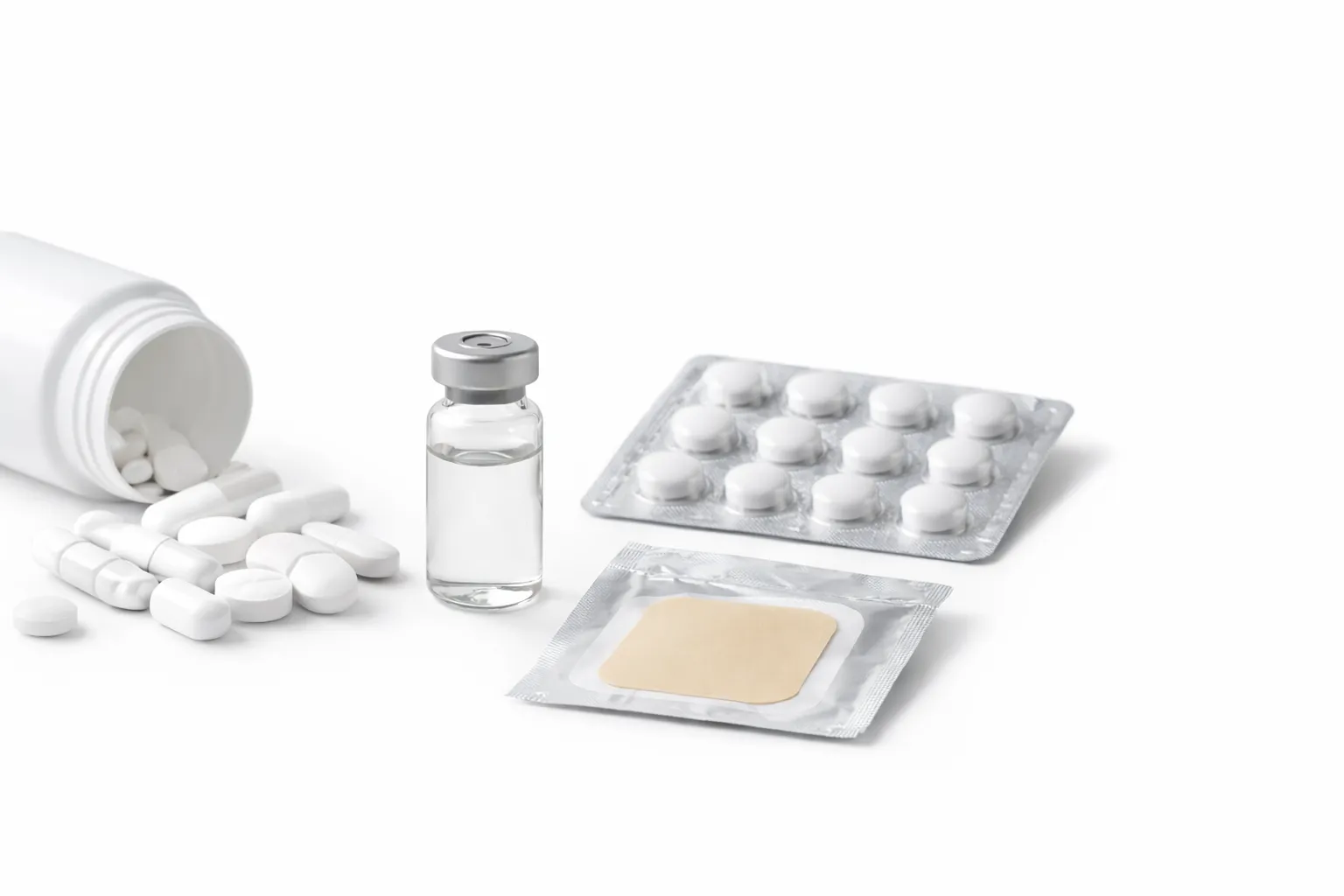
Replacement therapy for age-related or pathological hypogonadism using testosterone cypionate/enanthate injections, gels (AndroGel®, Testim®), or patches (Androderm®) to restore physiological levels.
- Practice
- Drugs
- Principle
- Treatment
- Tactic
- Hormonal Therapies
- Evidence grade
- Context Dependent
- Strength of evidence
- Medium
How to practice Testosterone Replacement
Confirm deficiency with morning total and free testosterone on two occasions before starting therapy. Target mid-normal range (400–700 ng/dL). Recheck hematocrit, PSA, and lipids every 6–12 months. Avoid supraphysiologic “performance” dosing. Benefits strongest for symptomatic men with documented low levels.
The evidence behind Testosterone Replacement
Low testosterone contributes to fatigue, depression, and sarcopenia. Some studies show treatment improves mood and motivation. Testosterone also supports how your blood vessels tighten and relax. Too high a dose can cause an overabundance of red blood cells and raise cardiovascular risk.
Impact on brain health
Low testosterone may also contribute to slower thinking. In your brain, testosterone supports synaptic plasticity and growth signals that keep nerve cells healthy. Evidence that treatment improves thinking is mixed.
Reviewed by BetterBrain's clinical advisors · Updated November 2026 · Our science
More Drugs techniques
Pair this with other habits from the same practice.
Evidence grade: Context Dependent
Anti-Amyloid Monoclonal Antibodies
FDA-approved biologic drugs that target beta-amyloid plaques to slow Alzheimer’s progression, including lecanemab (Leqembi®), donanemab (Kisunla™).
Evidence grade: Context Dependent
Antihypertensives
Medications that lower blood pressure to protect vascular and brain health, including ACE inhibitors (lisinopril, enalapril), ARBs (losartan, valsartan), calcium channel blockers…
Evidence grade: Context Dependent
GLP-1 Receptor Agonists
A class of injectable or oral medications that mimic the hormone glucagon-like peptide-1 (GLP-1) to improve insulin sensitivity, suppress appetite, and reduce inflammation.
Take control of your brain health
BetterBrain gives you a personalized protocol of techniques like these, backed by science and tailored to you.