Relate · Brain health technique
Virtual-reality (VR) social environments
Evidence grade: Experimental
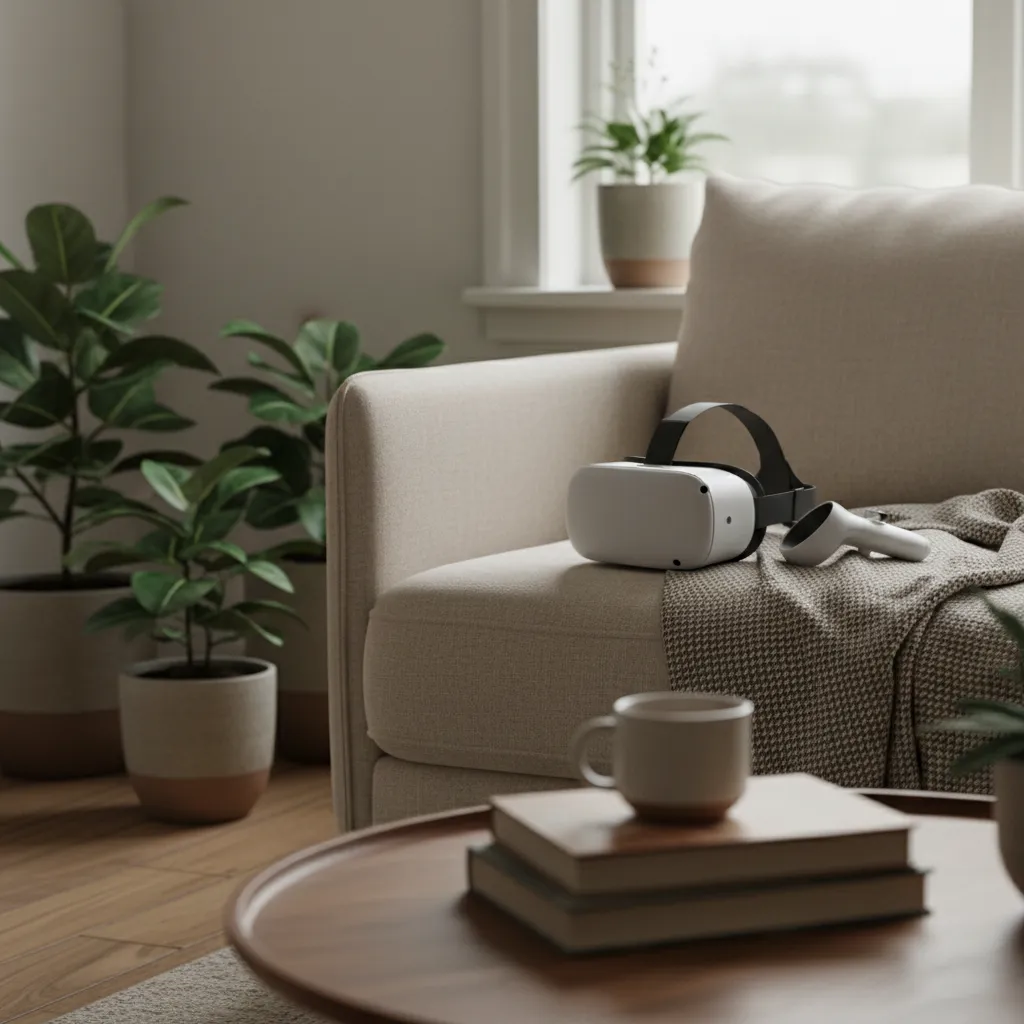
Immersive, avatar-based settings that simulate in-person social contact for connection, gaming, or therapy.
- Practice
- Relate
- Principle
- Engagement
- Tactic
- Build New Relationships
- Evidence grade
- Experimental
- Strength of evidence
- Low
How to practice Virtual-reality (VR) social environments
Use VR social platforms sparingly, 1–2 hours weekly, for structured classes, games, or therapy. Avoid replacing real-world contact. Ensure breaks and physical movement to prevent sensory fatigue or detachment.
The evidence behind Virtual-reality (VR) social environments
Small early studies show virtual reality (VR) can reduce loneliness and increase engagement for people who are home-bound, when they use it to connect with others. VR gives you a sense of being physically present and stimulates several of your senses at once. There's a strong case that this could help, but data on long-term safety and on how VR compares with other options are limited.
Reviewed by BetterBrain's clinical advisors · Updated November 2026 · Our science
More Relate techniques
Pair this with other habits from the same practice.

Evidence grade: Essential
Build or strengthen social skills
Developing empathy, listening, communication, and conflict-resolution abilities that improve connection and trust across relationships.

Evidence grade: Essential
Express gratitude and appreciation
The deliberate practice of acknowledging and verbalizing thanks, privately or to others, for actions, relationships, or experiences that have positive meaning.
Evidence grade: Essential
Healthy digital engagement
Using social media, texting, and digital communities intentionally, to inform, connect, and support, while minimizing doom-scrolling, comparison, or passive consumption.
Take control of your brain health
BetterBrain gives you a personalized protocol of techniques like these, backed by science and tailored to you.