De-stress · Brain health technique
Yoga / Tai Chi / Qigong
Evidence grade: Context Dependent
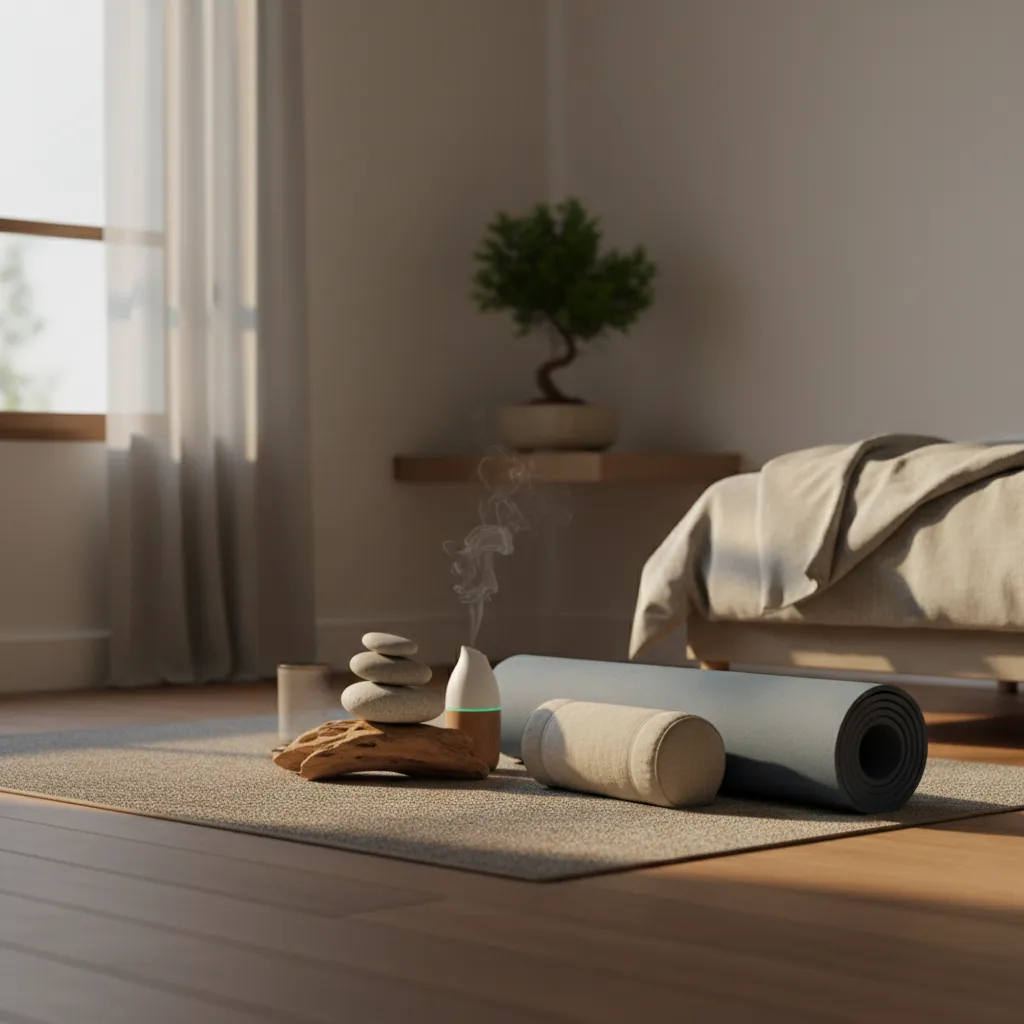
Movement-based mind–body practices that integrate gentle physical postures, breath control, and focused attention to reduce stress and improve bodily awareness.
- Practice
- De-stress
- Principle
- Restoration
- Tactic
- Core Regulation Practices
- Evidence grade
- Context Dependent
- Strength of evidence
- Medium
How to practice Yoga / Tai Chi / Qigong
Practice 2–4 times weekly for 30–60 minutes. Focus on slow, deliberate movements and breath–movement coordination. Choose a comfortable style (gentle yoga, tai chi, or qigong). Benefits accrue gradually over weeks. Avoid competitive or overly strenuous variations that elevate arousal instead of reducing it.
The evidence behind Yoga / Tai Chi / Qigong
Pooled studies show these practices lower stress, anxiety, and depression. Moving in time with your breath boosts parasympathetic tone. The evidence for stress reduction is strong. These practices are ideal if you prefer to relax while moving rather than sitting still.
Impact on brain health
Pooled studies also show these practices modestly improve memory and executive function in older adults. These practices may boost signaling by BDNF. The evidence for direct benefits to thinking is moderate.
Reviewed by BetterBrain's clinical advisors · Updated November 2026 · Our science
More De-stress techniques
Pair this with other habits from the same practice.
Evidence grade: Essential
Mindfulness Meditation
A structured practice of sustained, nonjudgmental awareness of present experience, typically focusing on breath, sensations, or thoughts, to reduce reactivity and enhance emotiona…

Evidence grade: Essential
Mindfulness-Based Stress Reduction (MBSR)
An 8-week structured program combining mindfulness meditation, body scanning, and gentle yoga to build awareness and reduce stress reactivity.

Evidence grade: Essential
Nature Exposure
Spending time in natural outdoor settings, parks, forests, gardens (“green”) or near water (“blue”), to reduce stress and restore cognitive and emotional balance.
Take control of your brain health
BetterBrain gives you a personalized protocol of techniques like these, backed by science and tailored to you.