Prevent Brain Damage · Brain health technique
Avoid ear damage
Evidence grade: Essential
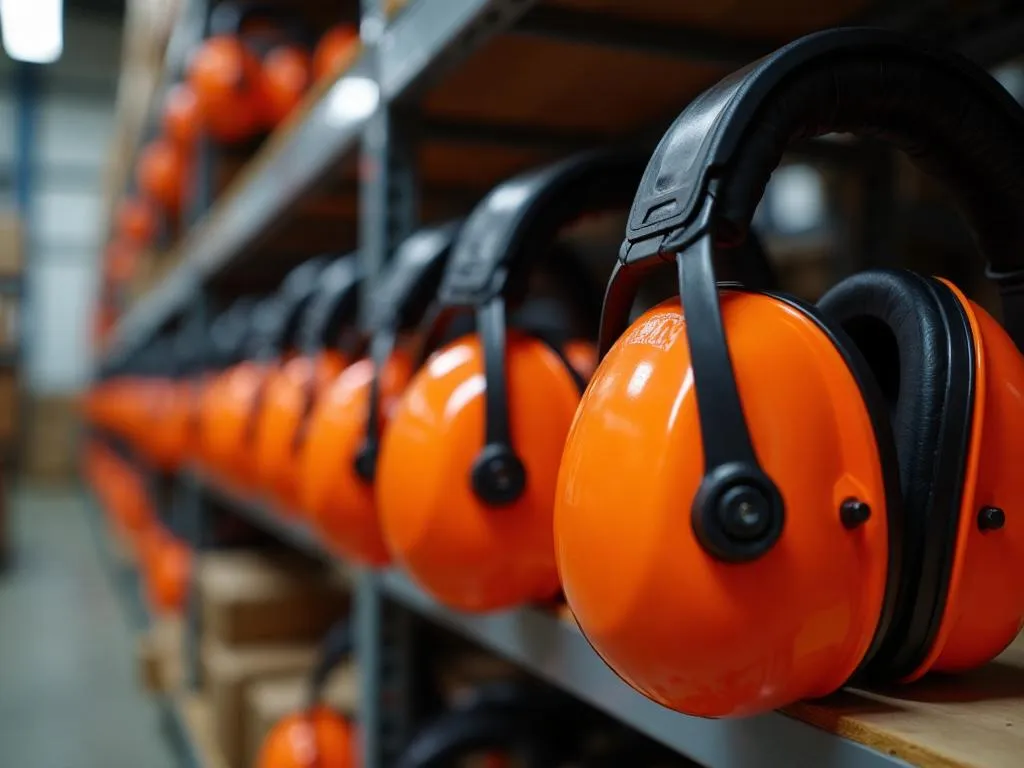
Avoiding chronic loud noise and protecting ears in high-volume settings (concerts, power tools, traffic, or earbuds at max volume). Where high quality headphones or ear protection in loud environments.
- Practice
- Prevent Brain Damage
- Principle
- Protection
- Tactic
- Prevent Physical Damage
- Evidence grade
- Essential
- Strength of evidence
- High
How to practice Avoid ear damage
Keep personal audio below 60% of maximum and take “quiet breaks.” Use earplugs or noise-canceling headphones around loud machinery or music. Get hearing checked every few years after age 50, sooner if you notice ringing or muffled sound.
The evidence behind Avoid ear damage
Long or repeated exposure to noise above about 85 decibels (common at concerts and in loud workplaces) permanently damages the cells in your inner ear. Louder sounds do harm faster. Those cells don't grow back, so damage adds up over time. Hearing loss makes conversation harder and can leave you more isolated. Protecting your ears early slows this damage. If you already have hearing loss, hearing aids can help you stay connected.
Impact on brain health
Hearing loss is now recognized as one of the top modifiable dementia risk factors. It makes your brain strain to decode sound and rewires its attention networks. Hearing aids and early protection may help preserve your thinking.
Reviewed by BetterBrain's clinical advisors · Updated November 2026 · Our science
More Prevent Brain Damage techniques
Pair this with other habits from the same practice.
Evidence grade: Essential
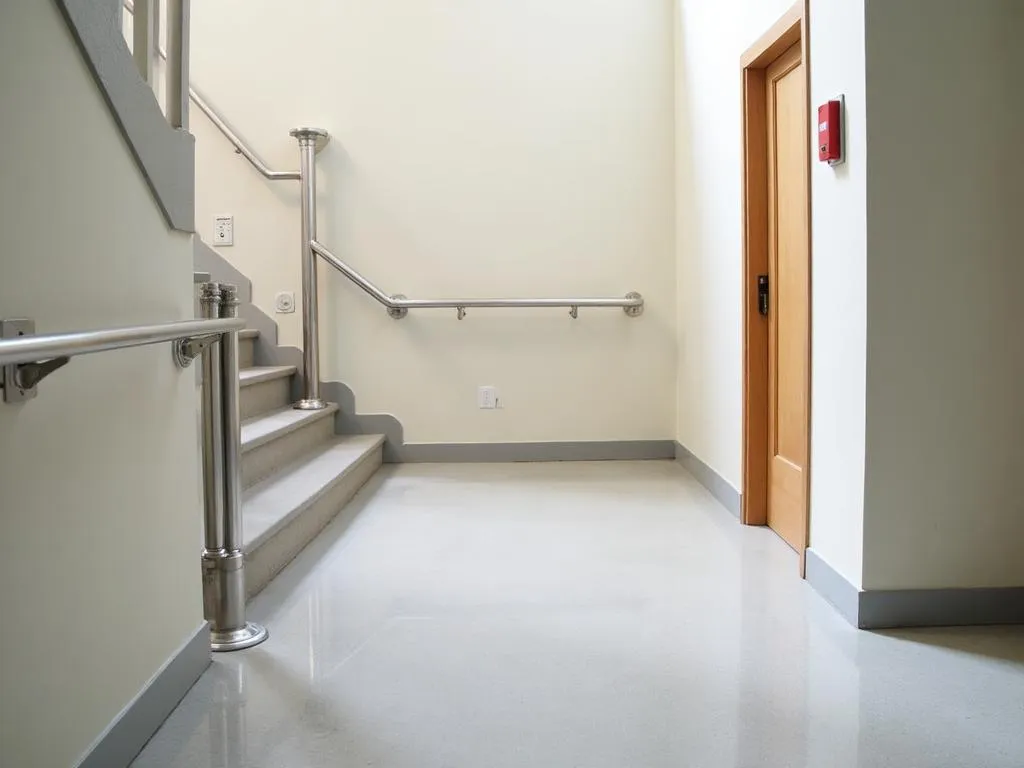
Balance and fall prevention
Maintaining core strength, flexibility, and coordination to reduce falls , through activities like tai chi, yoga, or resistance training.
Evidence grade: Essential
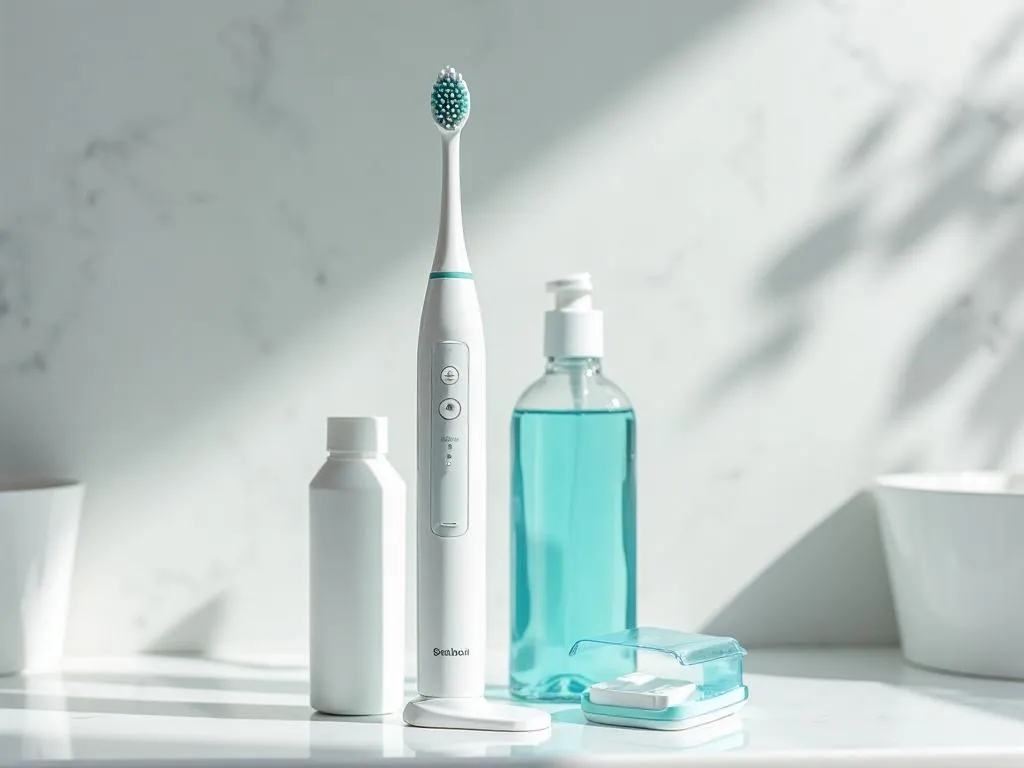
Dental and gum hygiene
Keeping your mouth healthy through daily brushing, flossing, and regular cleanings to prevent gum disease and oral infections.
Evidence grade: Essential
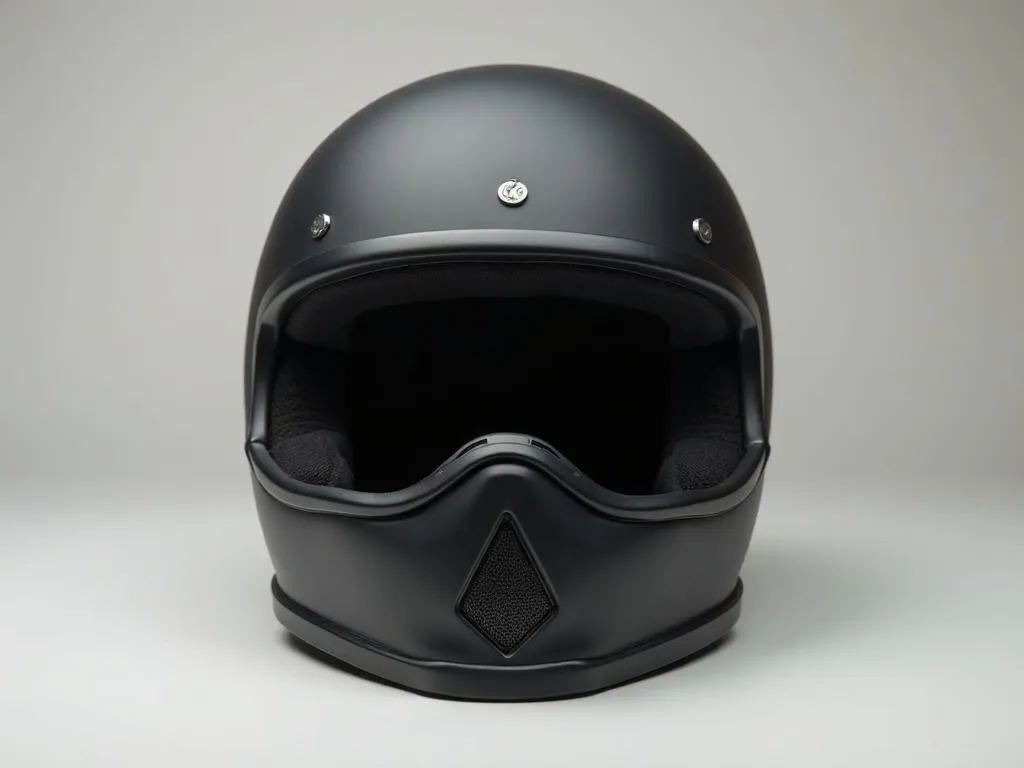
Head protection
Wearing helmets for biking, skiing, and other impact sports or activities with risk of head trauma.
Take control of your brain health
BetterBrain gives you a personalized protocol of techniques like these, backed by science and tailored to you.