Prevent Brain Damage · Brain health technique
Balance and fall prevention
Evidence grade: Essential
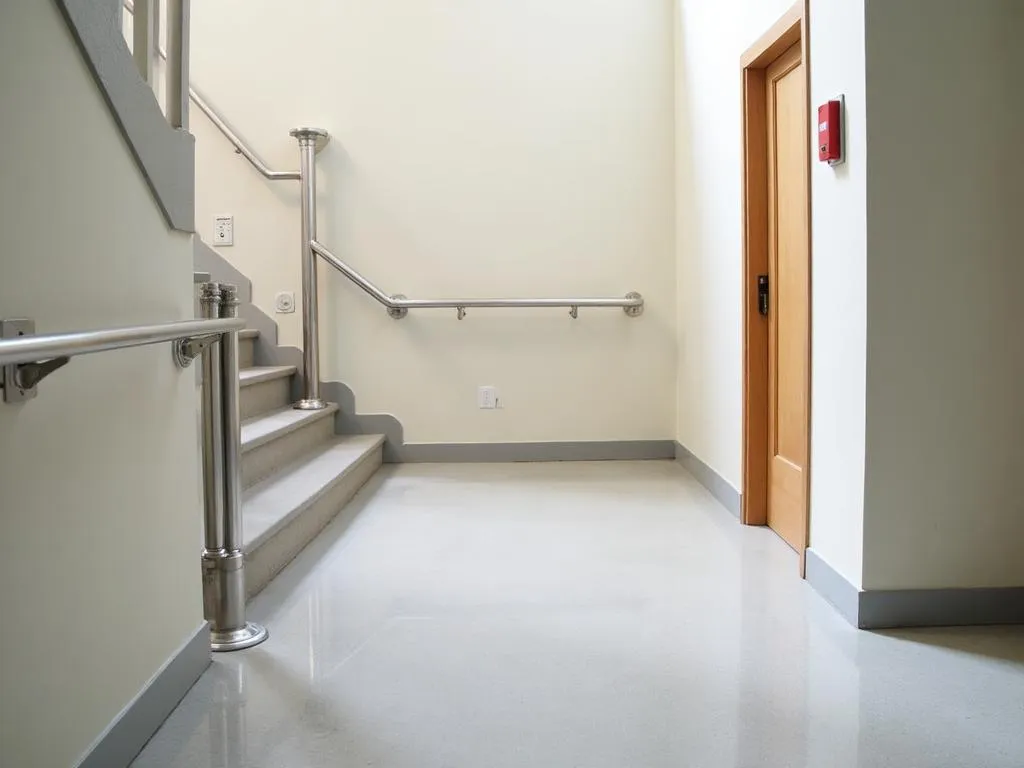
Maintaining core strength, flexibility, and coordination to reduce falls , through activities like tai chi, yoga, or resistance training.
- Practice
- Prevent Brain Damage
- Principle
- Protection
- Tactic
- Prevent Physical Damage
- Evidence grade
- Essential
- Strength of evidence
- High
How to practice Balance and fall prevention
Include balance or lower-body exercises two to three times a week. Make home spaces safer: good lighting, no loose rugs, grab bars where needed. Have medications and vision checked annually to reduce fall risk.
The evidence behind Balance and fall prevention
Falls are a leading cause of serious injury in older adults. Controlled trials show balance and leg-strength programs cut falls by 30 to 40%. These programs build leg strength and train your body to steady itself when you start to tip. Preventing even one serious fall can help you stay independent for years.
Impact on brain health
Falls are also the leading cause of traumatic brain injury in older adults. Preventing a serious fall can help protect your brain health directly.
Reviewed by BetterBrain's clinical advisors · Updated November 2026 · Our science
More Prevent Brain Damage techniques
Pair this with other habits from the same practice.

Evidence grade: Essential
Avoid ear damage
Avoiding chronic loud noise and protecting ears in high-volume settings (concerts, power tools, traffic, or earbuds at max volume).

Evidence grade: Essential
Dental and gum hygiene
Keeping your mouth healthy through daily brushing, flossing, and regular cleanings to prevent gum disease and oral infections.

Evidence grade: Essential
Head protection
Wearing helmets for biking, skiing, and other impact sports or activities with risk of head trauma.
Take control of your brain health
BetterBrain gives you a personalized protocol of techniques like these, backed by science and tailored to you.