Therapy · Brain health technique
Blood Pressure Control
Evidence grade: Context Dependent
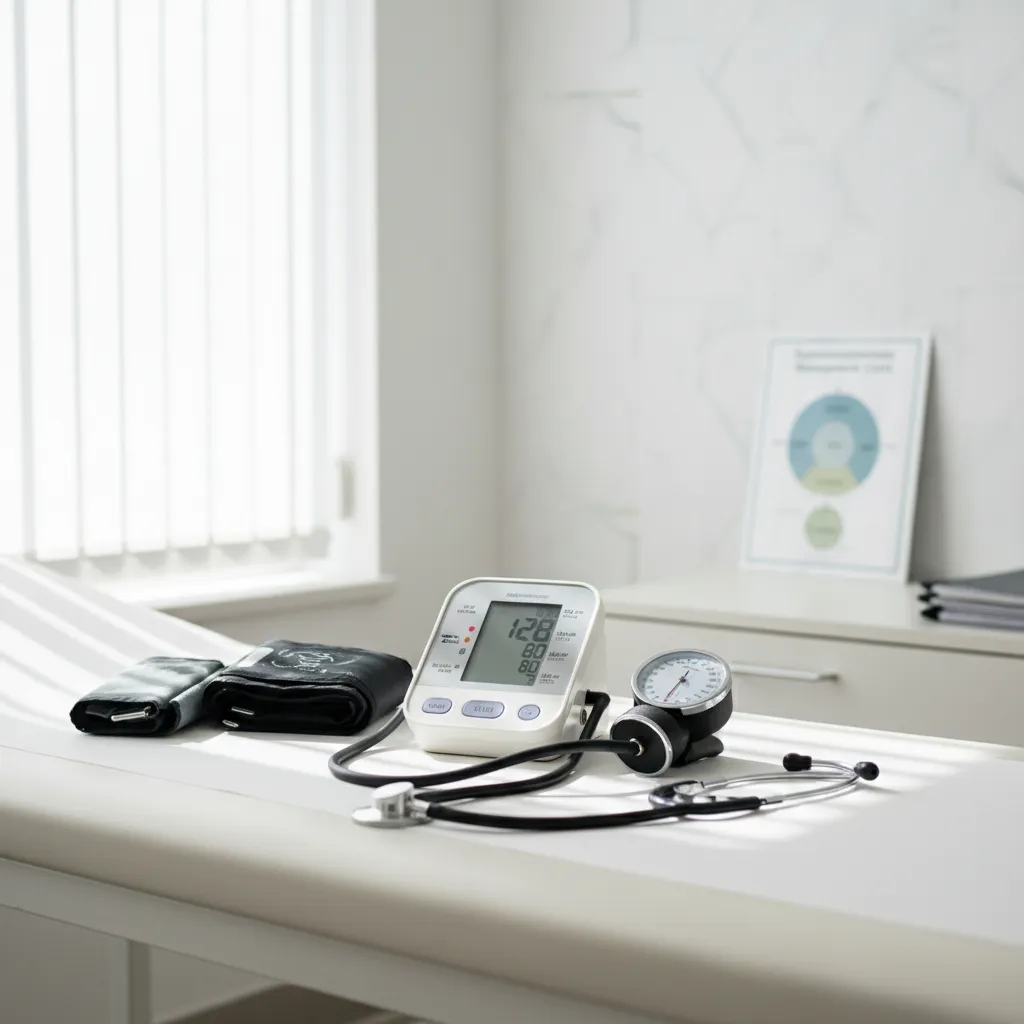
Medical and lifestyle management to maintain optimal blood pressure (typically <120/80 mmHg) through antihypertensive medications, dietary sodium reduction, exercise, and stress management.
- Practice
- Therapy
- Principle
- Treatment
- Tactic
- Specialty Medical & Integrative Care
- Health domains
- vascular
- Evidence grade
- Context Dependent
- Strength of evidence
- Medium
- Cost
- High
- Effort
- Low
- Time commitment
- Medium
How to practice Blood Pressure Control
Monitor BP regularly at home and during clinical visits (though beware of "white coat hypertension" in the clinic). Combine pharmacologic therapy (ACE inhibitors, ARBs, calcium channel blockers) with lifestyle changes, reduced sodium, DASH or Mediterranean diet, regular aerobic exercise, and weight management. Adherence is critical; fluctuations are more harmful than stable mild elevation.
The evidence behind Blood Pressure Control
High blood pressure is one of the strongest modifiable risk factors for stroke. Over time, high blood pressure damages your blood vessels and strains your heart and kidneys. That raises your risk of heart attack, heart failure, and kidney disease. Bringing high blood pressure under control helps keep your blood vessels elastic.
Impact on brain health
High blood pressure is also one of the strongest modifiable risk factors for cognitive decline. A large clinical trial in adults with high blood pressure found that intensive control significantly lowered the risk of mild cognitive impairment and slowed the growth of white-matter lesions. Better blood flow to your brain and fewer microinfarcts help keep your nerve cells healthy.
Reviewed by BetterBrain's clinical advisors · Updated November 2026 · Our science
More Therapy techniques
Pair this with other habits from the same practice.

Evidence grade: Context Dependent
Blood Sugar Management
Prevention and treatment of insulin resistance and diabetes through medication, diet, and activity to maintain fasting glucose <100 mg/dL and HbA1c <5.7% when possible.

Evidence grade: Context Dependent
Cholesterol and Vascular Health Management
Comprehensive lipid and endothelial health optimization through statins, diet, exercise, and vascular-protective agents to prevent atherosclerosis and maintain cerebral blood flow.

Evidence grade: Context Dependent
Circadian / Light-Exposure Therapy
Controlled exposure to bright or timed light, usually morning light or light boxes, to synchronize circadian rhythms, improve sleep quality, and stabilize mood.
Take control of your brain health
BetterBrain gives you a personalized protocol of techniques like these, backed by science and tailored to you.