Therapy · Brain health technique
Cholesterol and Vascular Health Management
Evidence grade: Context Dependent
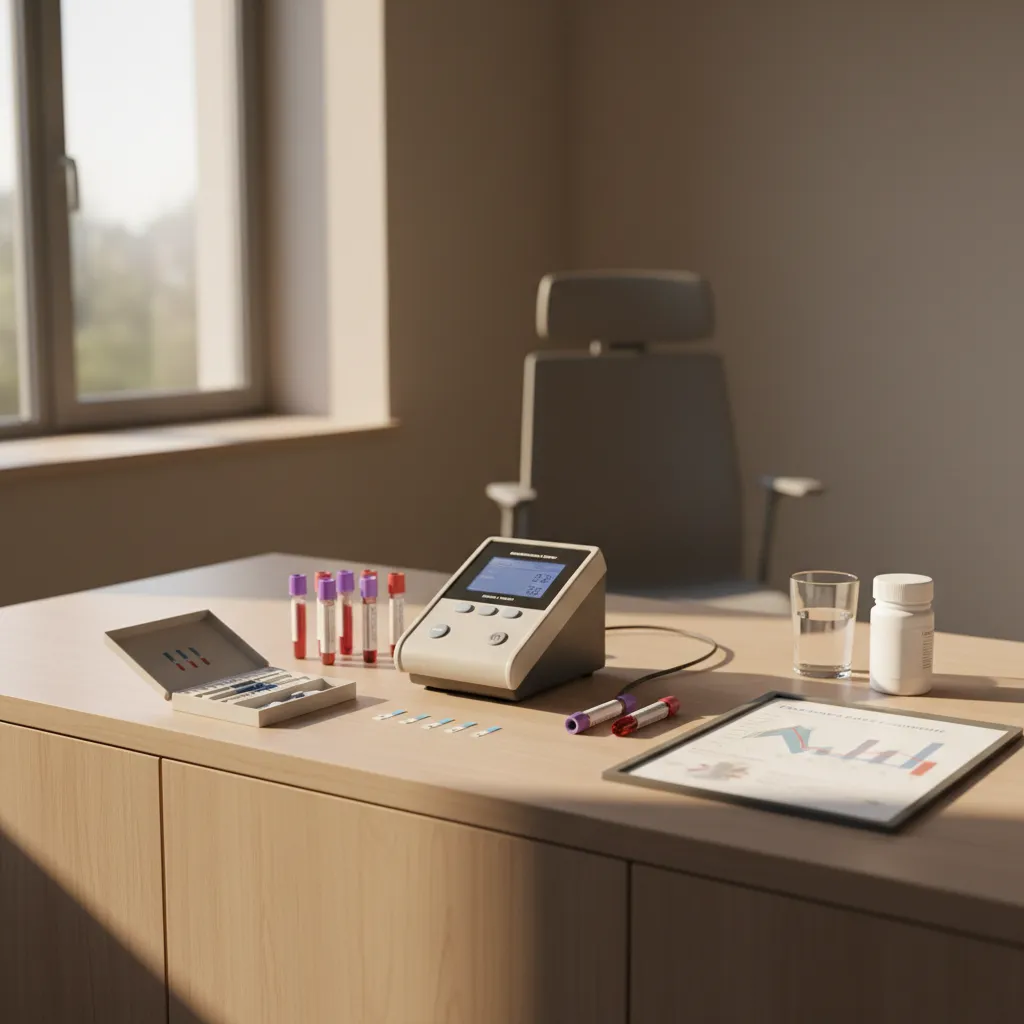
Comprehensive lipid and endothelial health optimization through statins, diet, exercise, and vascular-protective agents to prevent atherosclerosis and maintain cerebral blood flow.
- Practice
- Therapy
- Principle
- Treatment
- Tactic
- Specialty Medical & Integrative Care
- Evidence grade
- Context Dependent
- Strength of evidence
- Medium
How to practice Cholesterol and Vascular Health Management
Screen lipids and inflammatory markers (LDL, ApoB, hs-CRP) starting by midlife. Target LDL <70 mg/dL for high-risk individuals. Combine medication with Mediterranean-style diet, exercise, and smoking cessation. Coordinate with cardiology or preventive medicine to sustain vascular and cognitive health.
The evidence behind Cholesterol and Vascular Health Management
High LDL cholesterol, ApoB, and inflammation in your blood vessels drive plaque buildup in your arteries. Trials of cholesterol-lowering treatment consistently reduce strokes and other vascular events (e.g. heart attacks). The evidence that this protects your heart and blood vessels is strong.
Impact on brain health
High LDL, ApoB, and blood vessel inflammation are also linked to small-vessel disease and a higher dementia risk. Observational studies show roughly a 20% lower dementia risk in people taking statins. Evidence for direct brain protection is weaker and less certain than for the heart.
Reviewed by BetterBrain's clinical advisors · Updated November 2026 · Our science
More Therapy techniques
Pair this with other habits from the same practice.
Evidence grade: Context Dependent
Blood Pressure Control
Medical and lifestyle management to maintain optimal blood pressure (typically <120/80 mmHg) through antihypertensive medications, dietary sodium reduction, exercise, and stress m…
Evidence grade: Context Dependent
Blood Sugar Management
Prevention and treatment of insulin resistance and diabetes through medication, diet, and activity to maintain fasting glucose <100 mg/dL and HbA1c <5.7% when possible.

Evidence grade: Context Dependent
Circadian / Light-Exposure Therapy
Controlled exposure to bright or timed light, usually morning light or light boxes, to synchronize circadian rhythms, improve sleep quality, and stabilize mood.
Take control of your brain health
BetterBrain gives you a personalized protocol of techniques like these, backed by science and tailored to you.