Move · Brain health technique
Dance
Evidence grade: Context Dependent
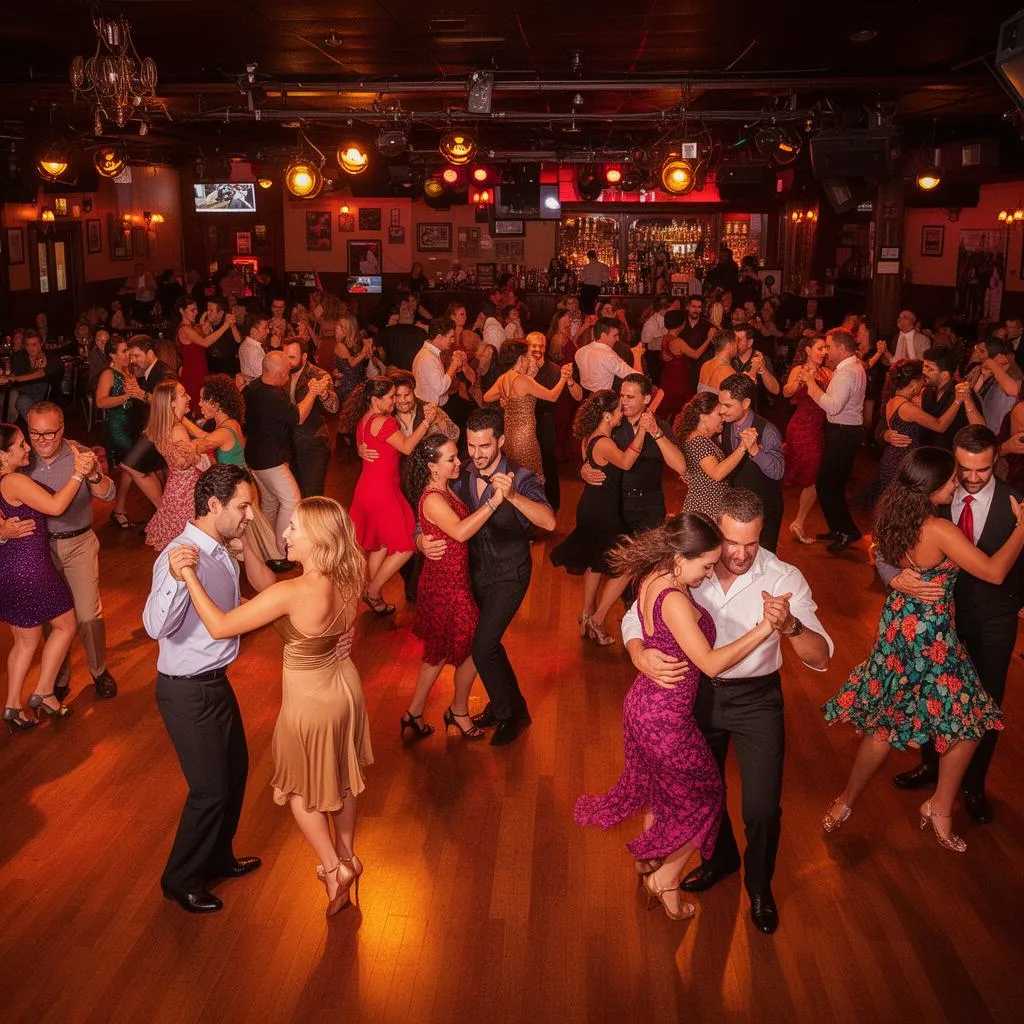
Rhythmic, coordinated movement to music that combines physical activity with cognitive, emotional, and social engagement. Can range from casual social dancing to structured classes like salsa, ballroom, or hip-hop.
- Practice
- Move
- Principle
- Engagement
- Tactic
- Group Physical Activities
- Health domains
- vascular
- Evidence grade
- Context Dependent
- Strength of evidence
- Medium
- Cost
- Medium
- Effort
- High
- Time commitment
- Medium
How to practice Dance
Dance for 20–60 minutes, 2–3 times per week in any style you enjoy. Group classes add social and emotional benefits. Focus on rhythmic, full-body movement and continual learning of new steps or routines. For older adults, slower forms (e.g., ballroom, line dance) build balance and confidence. Consistency and enjoyment matter more than intensity.
The evidence behind Dance
Dance combines physical activity with coordination, balance, and emotional expression. Dance trains your vestibular system, which builds balance. Moving to music with other people also lifts your mood through social connection and the reward of music. Like other physical activity, regular dancing is exercise for your heart and muscles.
Impact on brain health
Dance draws on coordination, memory, and emotion at once, which works several brain regions and may boost neuroplasticity. Long-term studies link regular dancing to a lower risk of dementia. The best-known of these found a 70 to 80% lower risk in regular dancers compared with non-dancers. That is a link from one study, not proof that dancing itself lowers the risk.
Reviewed by BetterBrain's clinical advisors · Updated November 2026 · Our science
More Move techniques
Pair this with other habits from the same practice.

Evidence grade: Essential
Aerobic cardio training
Sustained rhythmic exercise—like walking, cycling, swimming, or running—that raises heart rate and breathing while using oxygen efficiently for energy production.

Evidence grade: Essential
Daily movement
Any consistent physical activity performed throughout the day—walking, stretching, chores, or standing breaks—that keeps the body in motion and circulation active.
Evidence grade: Essential
Mobility and stability training
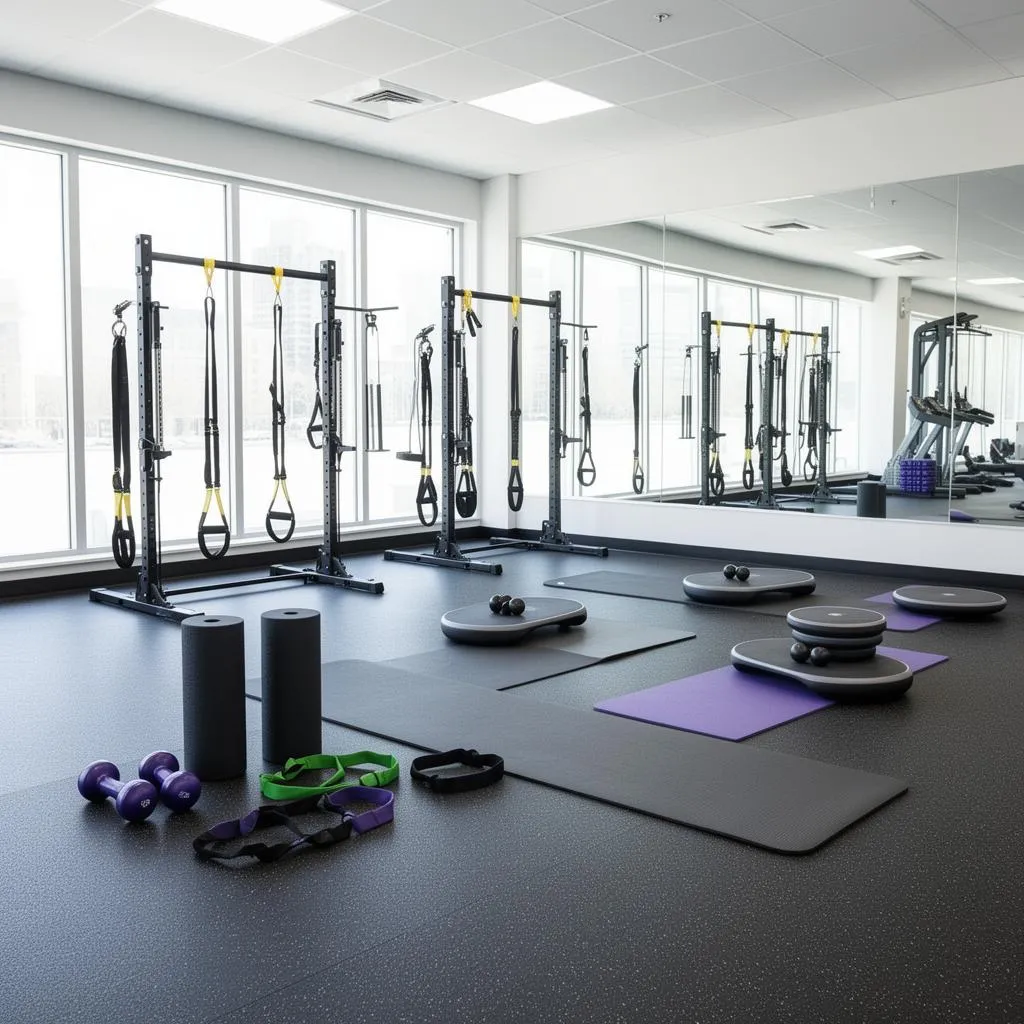
Exercises that enhance joint range of motion, muscular control, and postural balance—combining stretching, dynamic movement, and stabilizing strength work (e.g., yoga flows, contr…
Take control of your brain health
BetterBrain gives you a personalized protocol of techniques like these, backed by science and tailored to you.