Move · Brain health technique
High-intensity sports
Evidence grade: Context Dependent
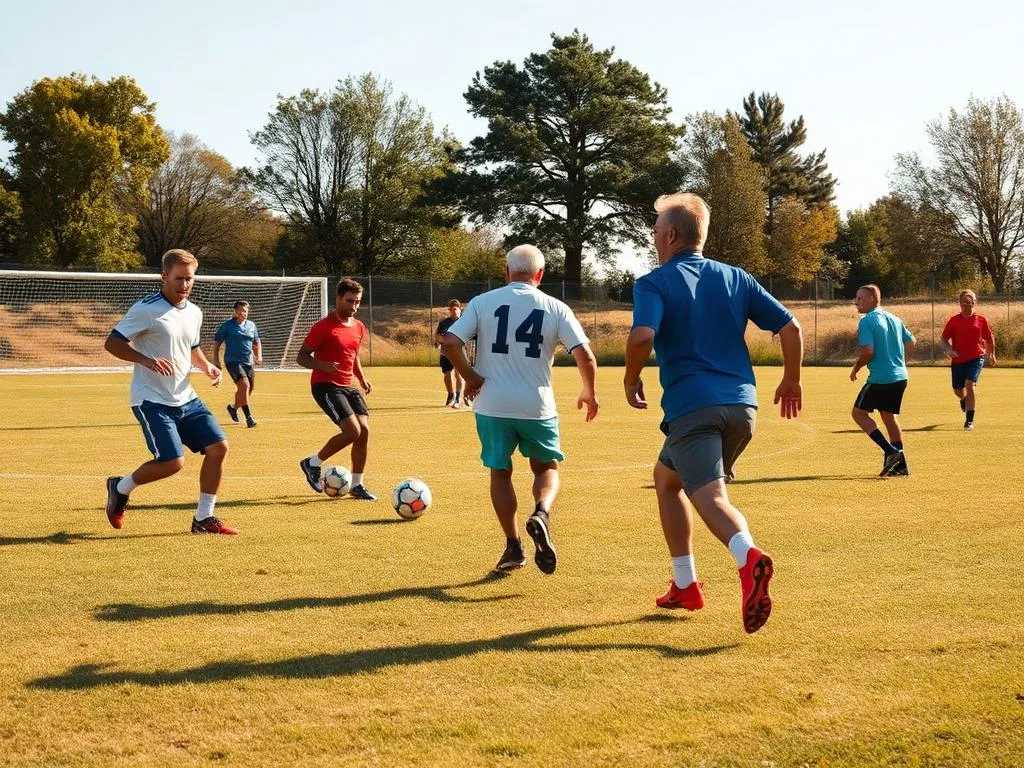
Activities involving bursts of near-maximal effort and dynamic movements, such as soccer, basketball, tennis, or interval running. Challenge both anaerobic and aerobic systems while sharpening coordination and decision-making.
- Practice
- Move
- Principle
- Engagement
- Tactic
- Group Physical Activities
- Health domains
- metabolic, musculoskeletal, vascular
- Evidence grade
- Context Dependent
- Strength of evidence
- Medium
- Cost
- High
- Effort
- High
- Time commitment
- High
How to practice High-intensity sports
Include 1–3 high-intensity sessions weekly. Warm up thoroughly and prioritize proper form to reduce injury. Mix with lower-intensity or recovery days. If new to exercise, build endurance before adding intensity. Adequate sleep, hydration, and nutrition are essential for recovery.
The evidence behind High-intensity sports
High-intensity exercise boosts your cardio fitness and insulin sensitivity. It also raises klotho. Short, intense bouts lift your mood by releasing catecholamines, chemicals like adrenaline and dopamine. Team sports add social contact. Overtraining or poor recovery can raise cortisol and injury risk. Evidence supports 1 to 3 sessions a week for body and brain benefits, balanced with recovery.
Impact on brain health
Intense exercise also boosts BDNF. Along with klotho, insulin sensitivity, and fitness, BDNF is thought to be a key driver of cognitive resilience. Those catecholamines also sharpen executive function, and team play builds social cognition.
Reviewed by BetterBrain's clinical advisors · Updated November 2026 · Our science
More Move techniques
Pair this with other habits from the same practice.

Evidence grade: Essential
Aerobic cardio training
Sustained rhythmic exercise—like walking, cycling, swimming, or running—that raises heart rate and breathing while using oxygen efficiently for energy production.

Evidence grade: Essential
Daily movement
Any consistent physical activity performed throughout the day—walking, stretching, chores, or standing breaks—that keeps the body in motion and circulation active.

Evidence grade: Essential
Mobility and stability training
Exercises that enhance joint range of motion, muscular control, and postural balance—combining stretching, dynamic movement, and stabilizing strength work (e.g., yoga flows, contr…
Take control of your brain health
BetterBrain gives you a personalized protocol of techniques like these, backed by science and tailored to you.