Move · Brain health technique
Mind–body coordination training
Evidence grade: Context Dependent
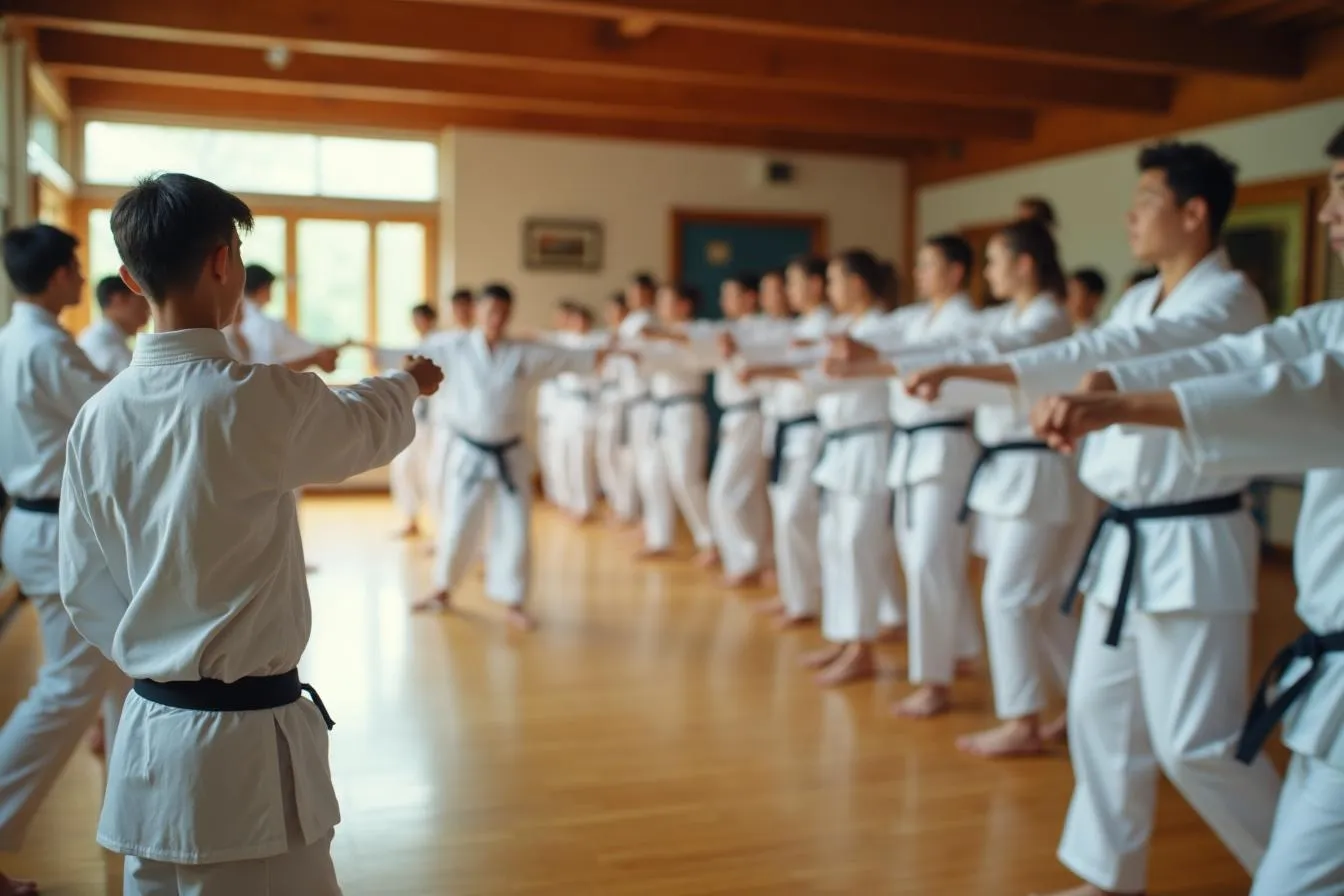
Practices that synchronize physical movement with cognitive or sensory input—such as tai chi, qigong, martial arts, yoga, or dance-based flow routines.
- Practice
- Move
- Principle
- Engagement
- Tactic
- Training
- Evidence grade
- Context Dependent
- Strength of evidence
- Medium
How to practice Mind–body coordination training
Practice 2–4 times per week for 30–60 minutes. Focus on fluidity, breath, and mental presence rather than intensity. Learn from qualified instructors to refine form. Particularly effective as a restorative or morning routine. Combine with strength or aerobic exercise for a well-rounded movement portfolio.
The evidence behind Mind–body coordination training
Clinical trials show tai chi and similar practices improve mood in older adults. Tai chi in particular is well known to improve balance and lower the risk of falls. The constant feedback between breath, movement, and your sense of body position is thought to help your body settle into its calm "rest and digest" mode. Benefits build with long-term practice.
Impact on brain health
Clinical trials show these practices improve memory and executive function in older adults. These practices are thought to strengthen the brain circuits that link movement, attention, and emotion, and to boost neuroplasticity.
Reviewed by BetterBrain's clinical advisors · Updated November 2026 · Our science
More Move techniques
Pair this with other habits from the same practice.

Evidence grade: Essential
Aerobic cardio training
Sustained rhythmic exercise—like walking, cycling, swimming, or running—that raises heart rate and breathing while using oxygen efficiently for energy production.

Evidence grade: Essential
Daily movement
Any consistent physical activity performed throughout the day—walking, stretching, chores, or standing breaks—that keeps the body in motion and circulation active.
Evidence grade: Essential
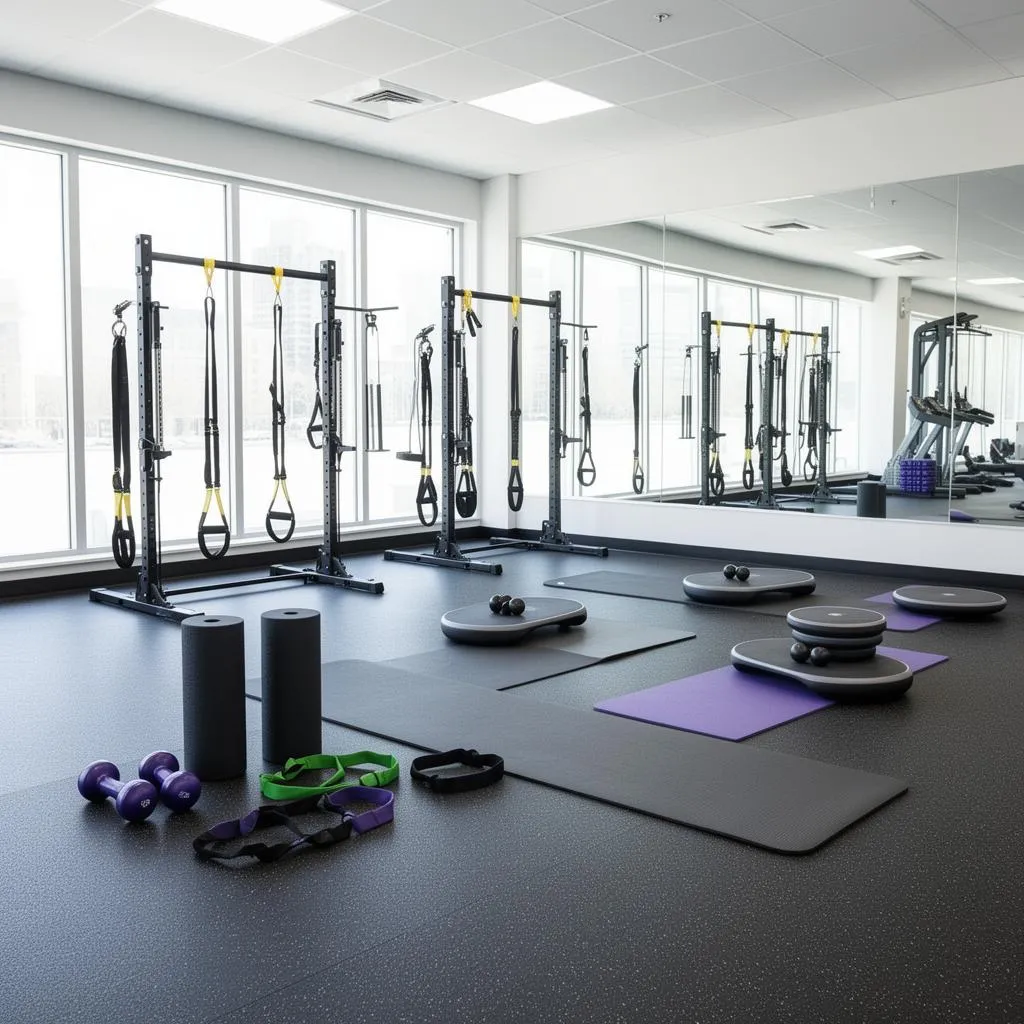
Mobility and stability training
Exercises that enhance joint range of motion, muscular control, and postural balance—combining stretching, dynamic movement, and stabilizing strength work (e.g., yoga flows, contr…
Take control of your brain health
BetterBrain gives you a personalized protocol of techniques like these, backed by science and tailored to you.