Environment · Brain health technique
Activated Carbon Block Filter
Evidence grade: Context Dependent
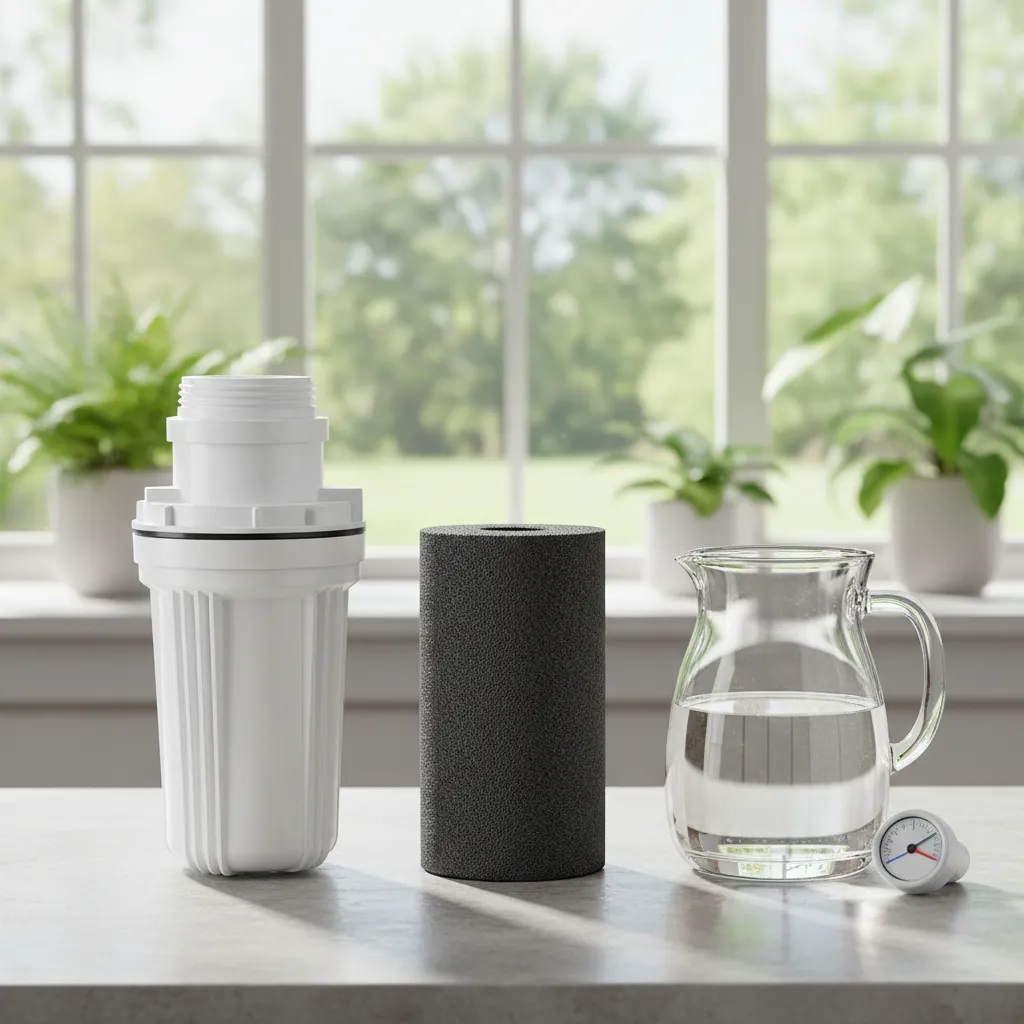
Countertop or inline carbon blocks for organic chemical reduction.
- Practice
- Environment
- Principle
- Protection
- Tactic
- Water Purity & Handling
- Evidence grade
- Context Dependent
- Strength of evidence
- Medium
How to practice Activated Carbon Block Filter
Use carbon block filters for chlorine, taste, and organic chemical reduction when RO is unnecessary or impractical. Replace cartridges as recommended (often every 2–6 months) to avoid saturation. Best used for municipal water with known chlorine or solvent exposure.
The evidence behind Activated Carbon Block Filter
An activated carbon block filter effectively traps chlorine, pesticides, and leftover solvents in your water. That improves taste and lowers the oxidative stress load on your body. The benefit depends on how clean your water is to begin with and how often you use the filter. Maintaining the filter carries no risk.
Reviewed by BetterBrain's clinical advisors · Updated November 2026 · Our science
More Environment techniques
Pair this with other habits from the same practice.
Evidence grade: Essential
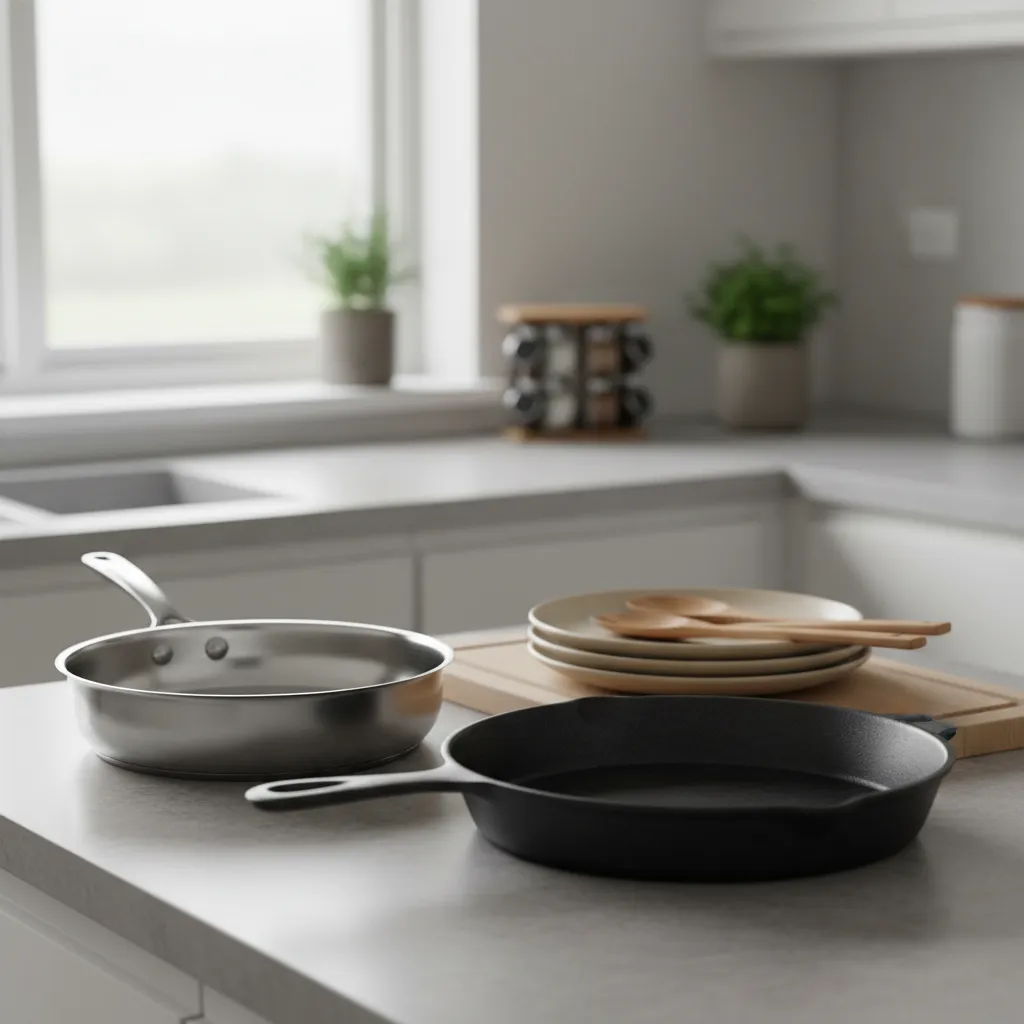
Avoid Non-stick (PFAS-based) Cookware
Use stainless, ceramic, or cast iron instead of Teflon-type coatings.
Evidence grade: Essential
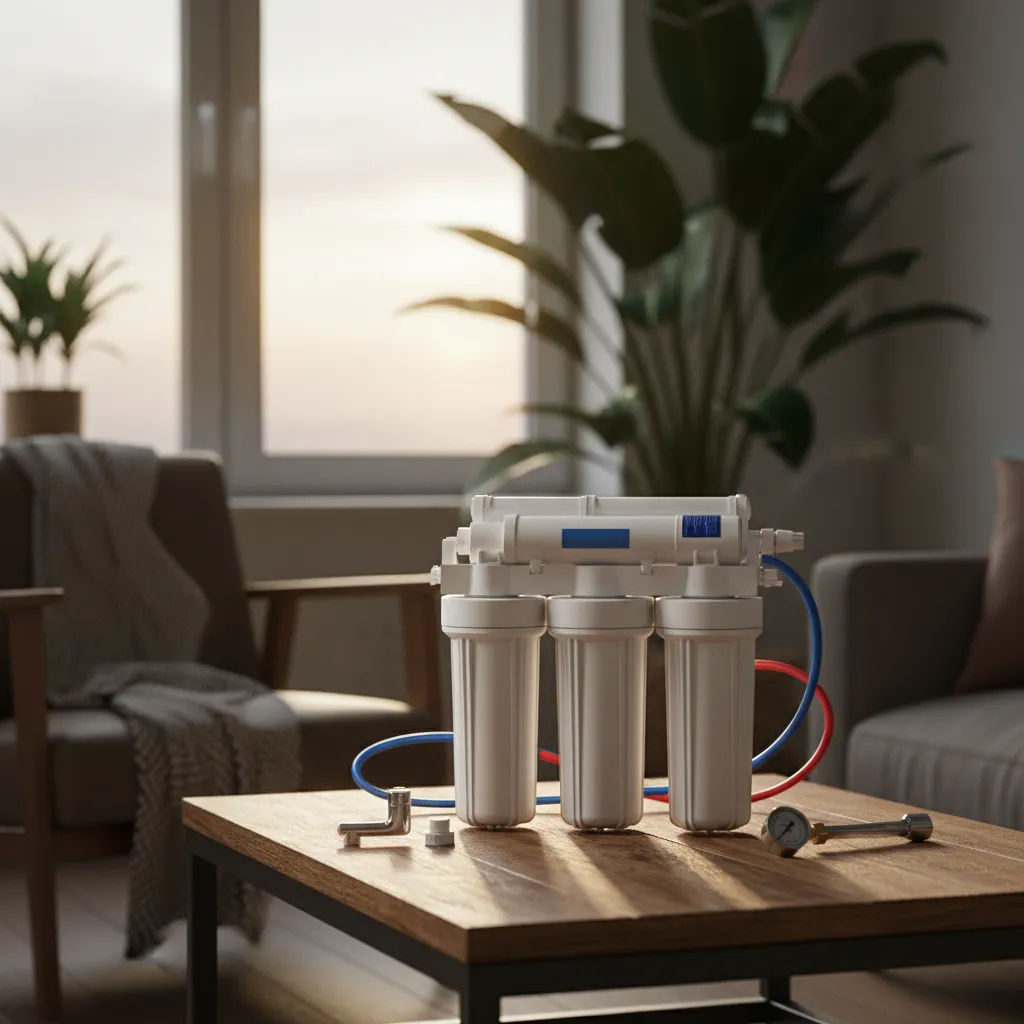
Reverse Osmosis (RO) Filtration
Under-sink or whole-home RO systems with carbon pre-filter.
Evidence grade: Context Dependent
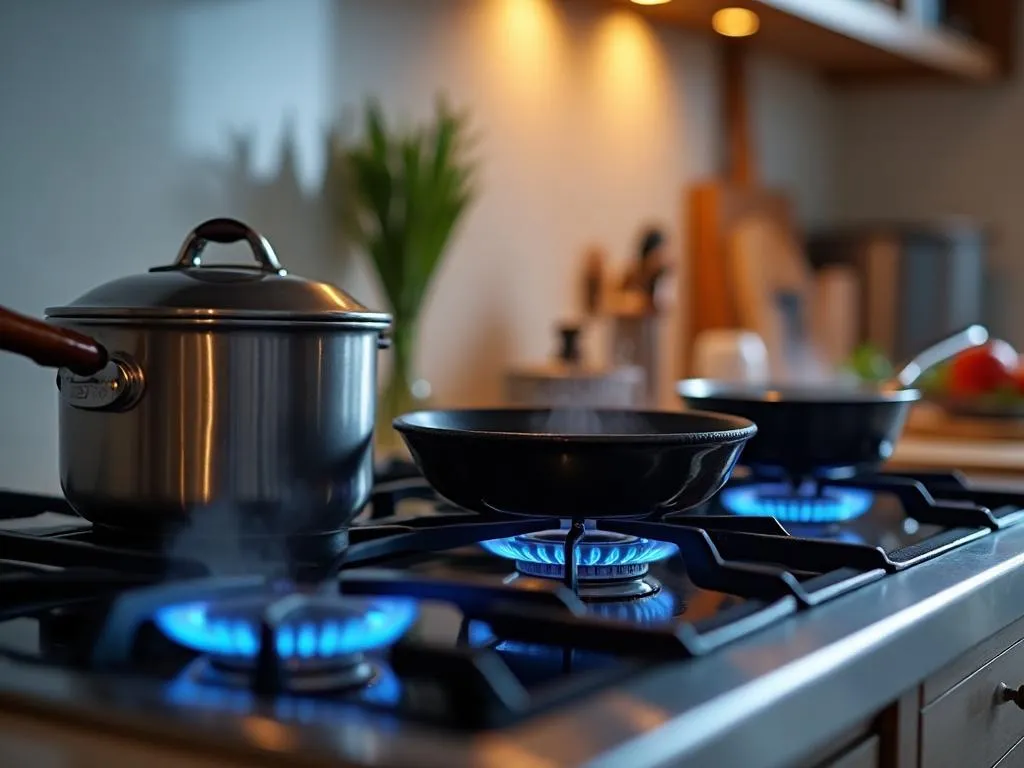
Avoid or strongly reduce indoor combustion sources
Gas ranges, ovens, candles, incense, unvented heaters, and wood-burning fireplaces emit nitrogen dioxide (NO₂), carbon monoxide (CO), and ultrafine soot.
Take control of your brain health
BetterBrain gives you a personalized protocol of techniques like these, backed by science and tailored to you.