Environment · Brain health technique
Avoid Non-stick (PFAS-based) Cookware
Evidence grade: Essential

Use stainless, ceramic, or cast iron instead of Teflon-type coatings.
- Practice
- Environment
- Principle
- Protection
- Tactic
- Materials & Indoor Surfaces
- Evidence grade
- Essential
- Strength of evidence
- High
How to practice Avoid Non-stick (PFAS-based) Cookware
Replace non-stick cookware with stainless steel, cast iron, or ceramic, prioritizing pans used most often or for high-heat cooking. Discard any non-stick items that are scratched or degrading. Avoid overheating any coated cookware. This is a one-time swap with durable, long-term exposure reduction and no ongoing behavior burden.
The evidence behind Avoid Non-stick (PFAS-based) Cookware
PFAS ("forever chemicals") are linked to immune and metabolic harm. Animal and population studies show risk climbs steadily with exposure. Switching cookware removes one source of exposure. It's a safe, permanent change.
Impact on brain health
PFAS exposure is also linked to problems with how the brain develops.
Reviewed by BetterBrain's clinical advisors · Updated November 2026 · Our science
More Environment techniques
Pair this with other habits from the same practice.

Evidence grade: Essential
Reverse Osmosis (RO) Filtration
Under-sink or whole-home RO systems with carbon pre-filter.

Evidence grade: Context Dependent
Activated Carbon Block Filter
Countertop or inline carbon blocks for organic chemical reduction.
Evidence grade: Context Dependent
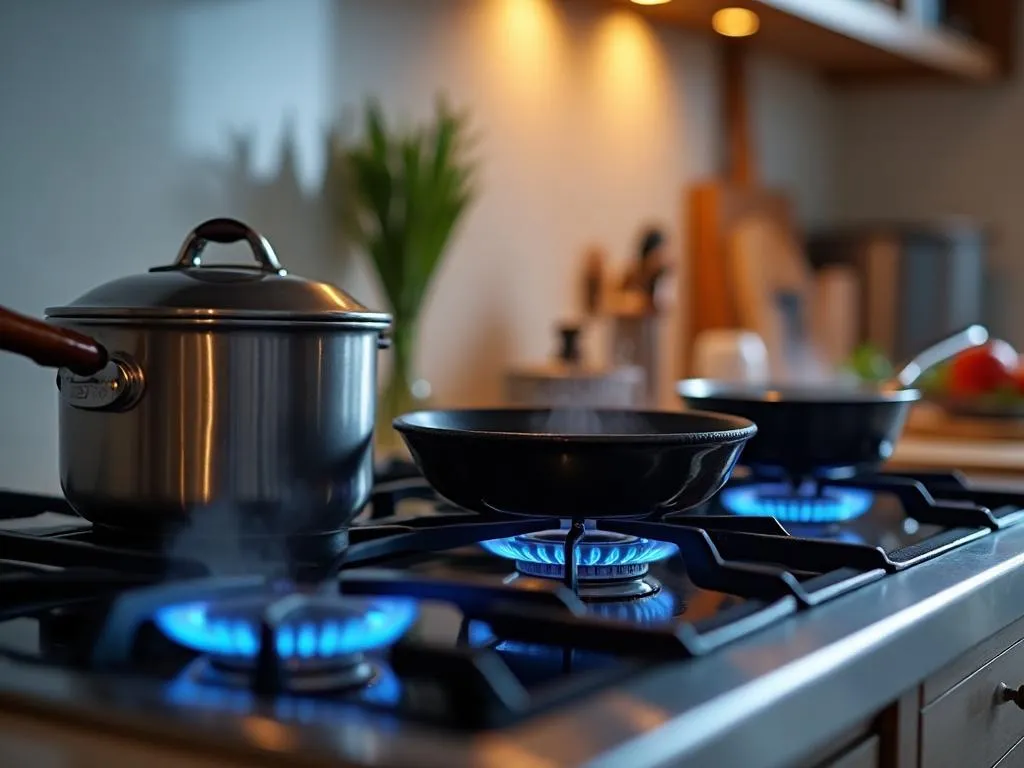
Avoid or strongly reduce indoor combustion sources
Gas ranges, ovens, candles, incense, unvented heaters, and wood-burning fireplaces emit nitrogen dioxide (NO₂), carbon monoxide (CO), and ultrafine soot.
Take control of your brain health
BetterBrain gives you a personalized protocol of techniques like these, backed by science and tailored to you.