Environment · Brain health technique
Reverse Osmosis (RO) Filtration
Evidence grade: Essential
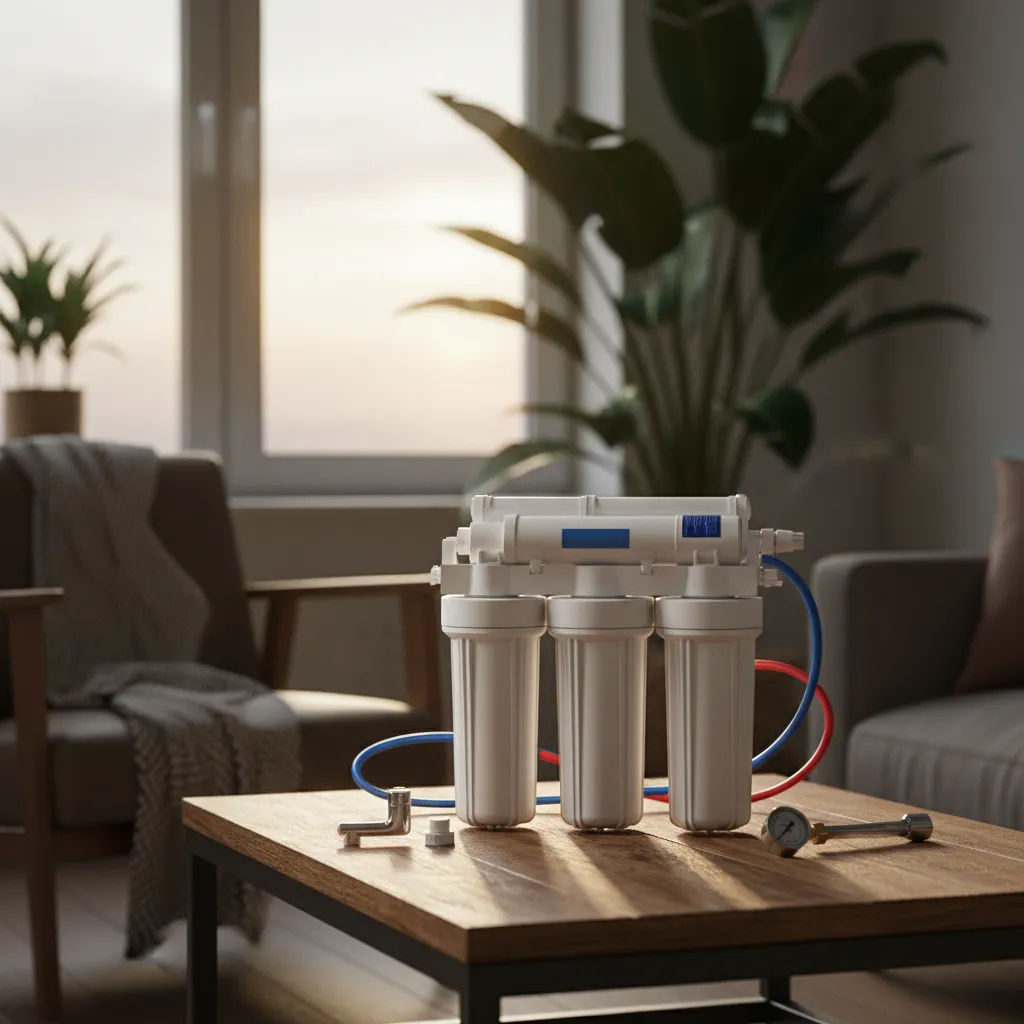
Under-sink or whole-home RO systems with carbon pre-filter.
- Practice
- Environment
- Principle
- Protection
- Tactic
- Water Purity & Handling
- Evidence grade
- Essential
- Strength of evidence
- High
How to practice Reverse Osmosis (RO) Filtration
Use under-sink RO for drinking and cooking water, especially in areas with PFAS, heavy metals, or nitrate concerns. Re-mineralize water if taste or hardness is an issue. Replace filters on schedule (typically every 6–12 months). RO is most valuable for ingestion; whole-home RO is rarely necessary.
The evidence behind Reverse Osmosis (RO) Filtration
RO removes heavy metals (lead, mercury, arsenic), nitrates, microplastics, and PFAS (long-lasting industrial chemicals). Several of these can disrupt your hormones and directly damage different organ tissues. Lab and population studies link lower levels to lower heart and blood vessel risk. RO is safe and well established.
Impact on brain health
Some of these contaminants, like lead and mercury, are also neurotoxic. The same lab and population studies link lower heavy metal levels to a reduced risk of memory and thinking problems.
Reviewed by BetterBrain's clinical advisors · Updated November 2026 · Our science
More Environment techniques
Pair this with other habits from the same practice.
Evidence grade: Essential
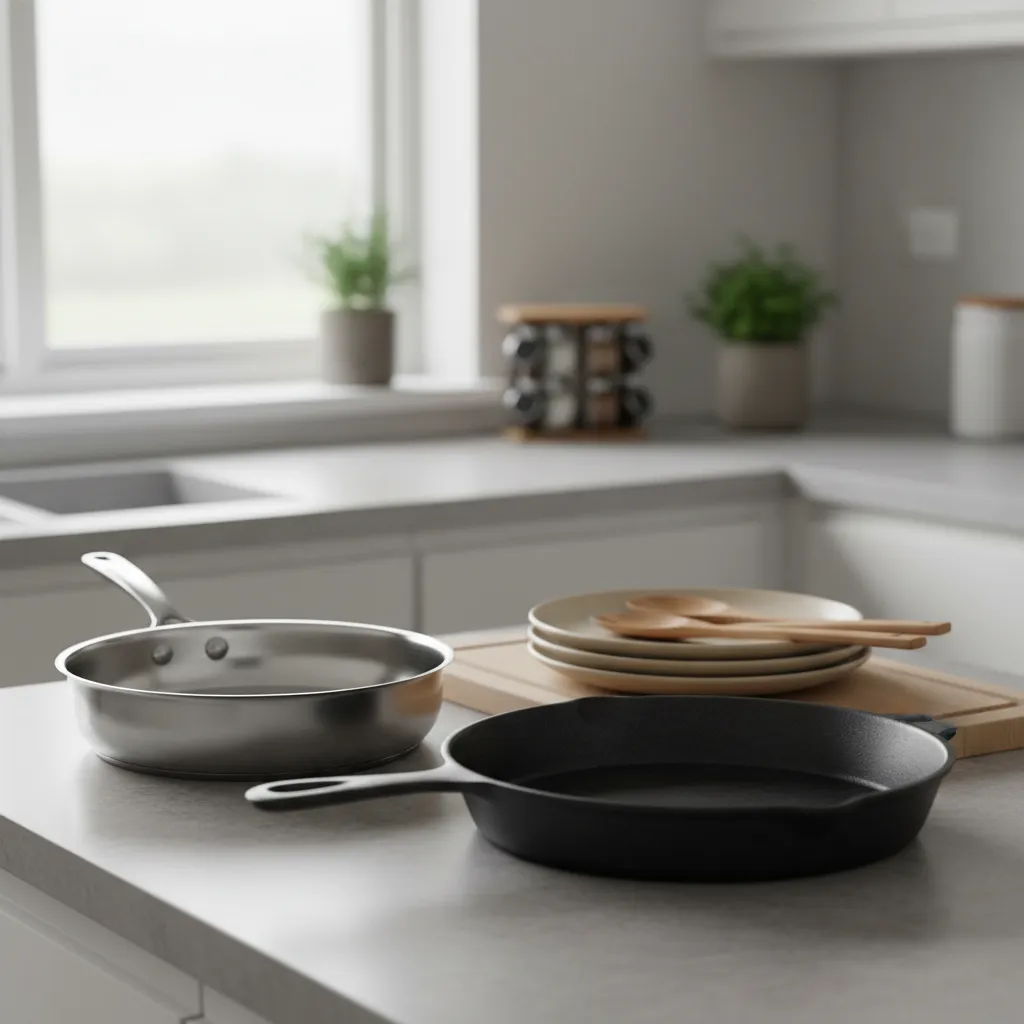
Avoid Non-stick (PFAS-based) Cookware
Use stainless, ceramic, or cast iron instead of Teflon-type coatings.
Evidence grade: Context Dependent
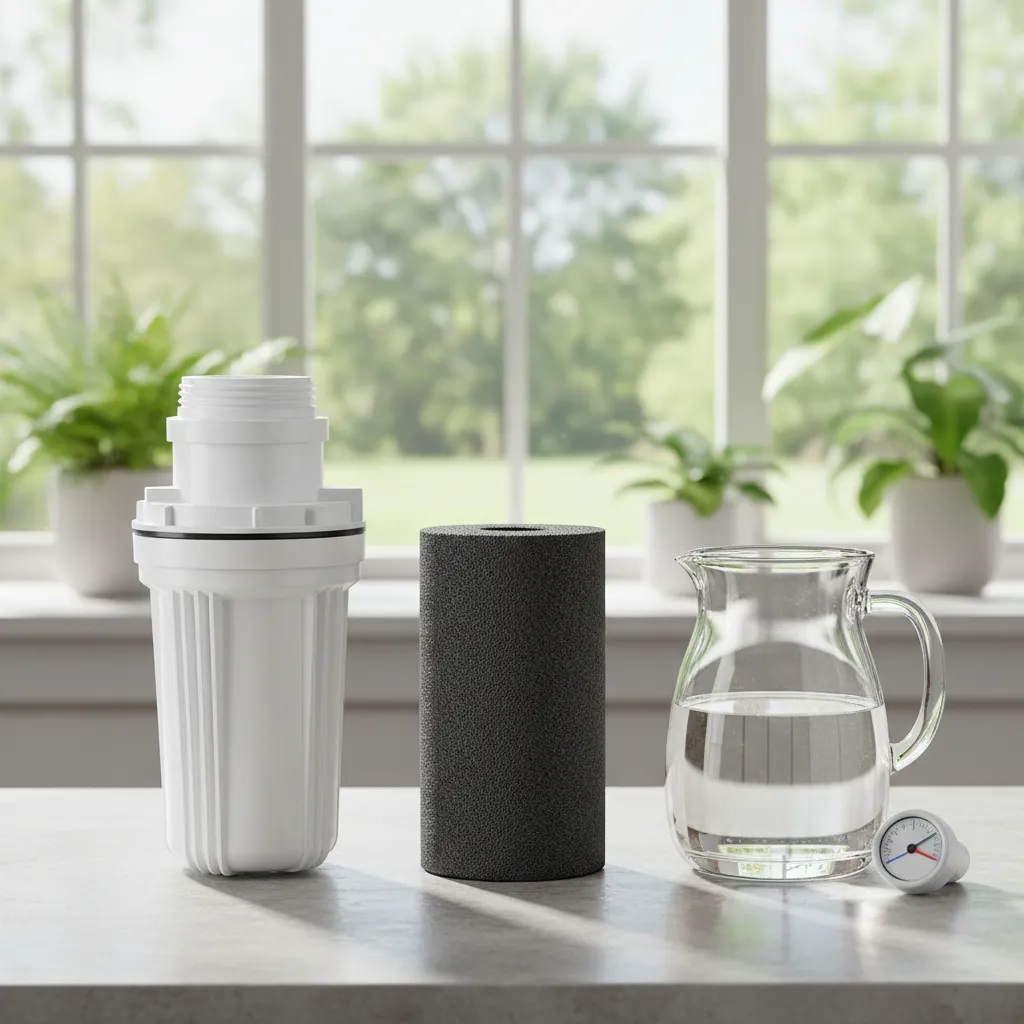
Activated Carbon Block Filter
Countertop or inline carbon blocks for organic chemical reduction.
Evidence grade: Context Dependent
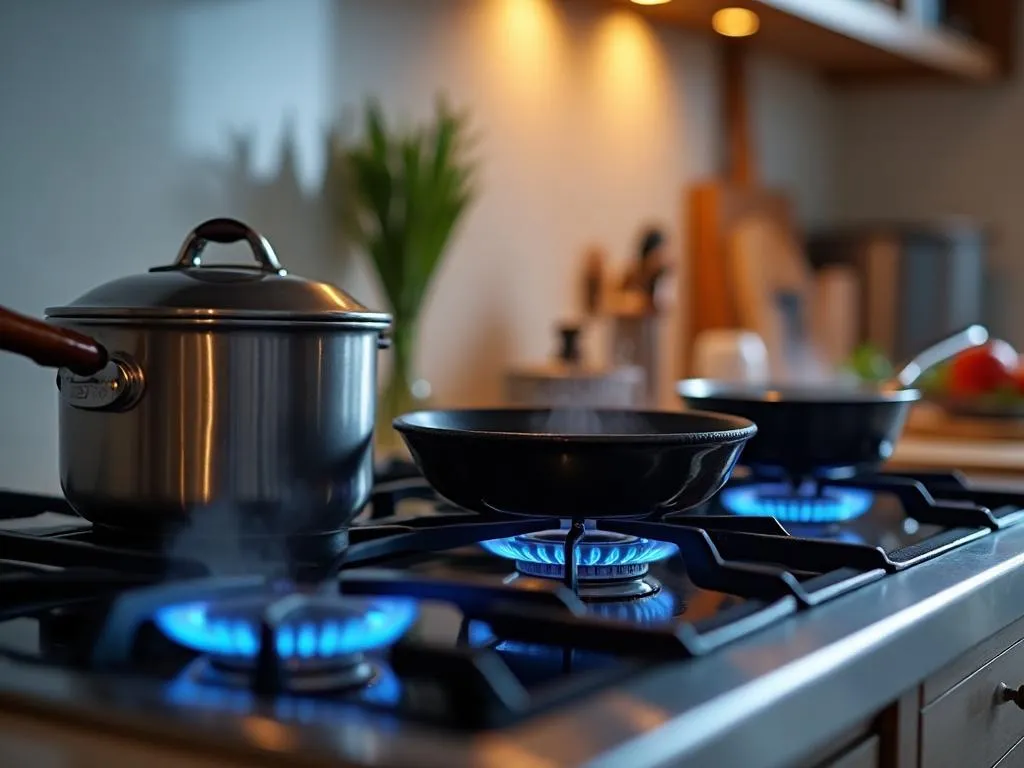
Avoid or strongly reduce indoor combustion sources
Gas ranges, ovens, candles, incense, unvented heaters, and wood-burning fireplaces emit nitrogen dioxide (NO₂), carbon monoxide (CO), and ultrafine soot.
Take control of your brain health
BetterBrain gives you a personalized protocol of techniques like these, backed by science and tailored to you.