Eat · Brain health technique
Antioxidant-rich foods
Evidence grade: Essential
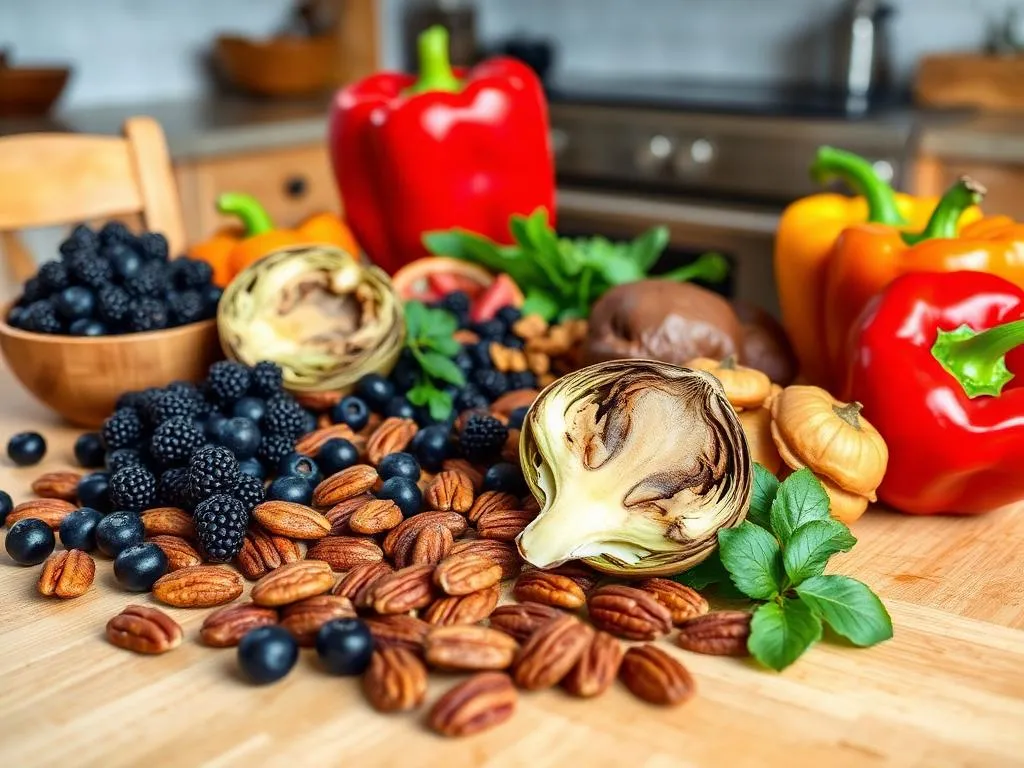
Refers to foods dense in compounds that neutralize reactive oxygen species, vitamins C and E, carotenoids, selenium, and polyphenols, found in colorful produce, nuts, seeds, whole grains, and spices. These nutrients reduce oxidative damage that accumulates with aging and stress.
- Practice
- Eat
- Principle
- Nourishment
- Tactic
- Brain Healthy Foods
- Evidence grade
- Essential
- Strength of evidence
- High
- Cost
- High
- Effort
- Low
- Time commitment
- Low
How to practice Antioxidant-rich foods
Focus on whole foods: a “rainbow” of vegetables, fruits, and nuts daily. Include spinach, kale, berries, oranges, carrots, and almonds regularly. Use herbs and spices (turmeric, cinnamon, oregano) liberally. Avoid reliance on high-dose vitamin E or beta-carotene pills unless medically indicated. Cooking methods matter, steaming or roasting preserves most antioxidants. Benefits accrue from consistency, not megadoses.
The evidence behind Antioxidant-rich foods
Oxidative stress damages cell membranes and DNA and promotes inflammation. Antioxidant-rich foods are thought to limit this damage by neutralizing free radicals. Trials of single antioxidant supplements show mixed results. That suggests the compounds in whole foods work better together than alone. The biological case is strong, especially for diets rich in fruits, vegetables, and nuts. Isolated supplements may upset your body's natural antioxidant balance, or cost money without adding benefit.
Impact on brain health
In your brain, that same damage to nerve cells promotes cognitive decline. Large long-term studies link diets high in antioxidants to better memory and lower rates of dementia.
Reviewed by BetterBrain's clinical advisors · Updated November 2026 · Our science
More Eat techniques
Pair this with other habits from the same practice.
Evidence grade: Essential
Carbohydrates
Macronutrients that supply glucose, the brain’s preferred energy source.
Evidence grade: Essential
Consume appropriate calories
Matching total caloric intake to individual energy needs, neither chronically excessive nor restrictive, based on age, activity, and goals.
Evidence grade: Essential
Fiber-rich foods
Dietary fiber from vegetables, legumes, whole grains, and fruits feeds gut bacteria that produce neuroprotective short-chain fatty acids.
Take control of your brain health
BetterBrain gives you a personalized protocol of techniques like these, backed by science and tailored to you.