Eat · Brain health technique
Fiber-rich foods
Evidence grade: Essential
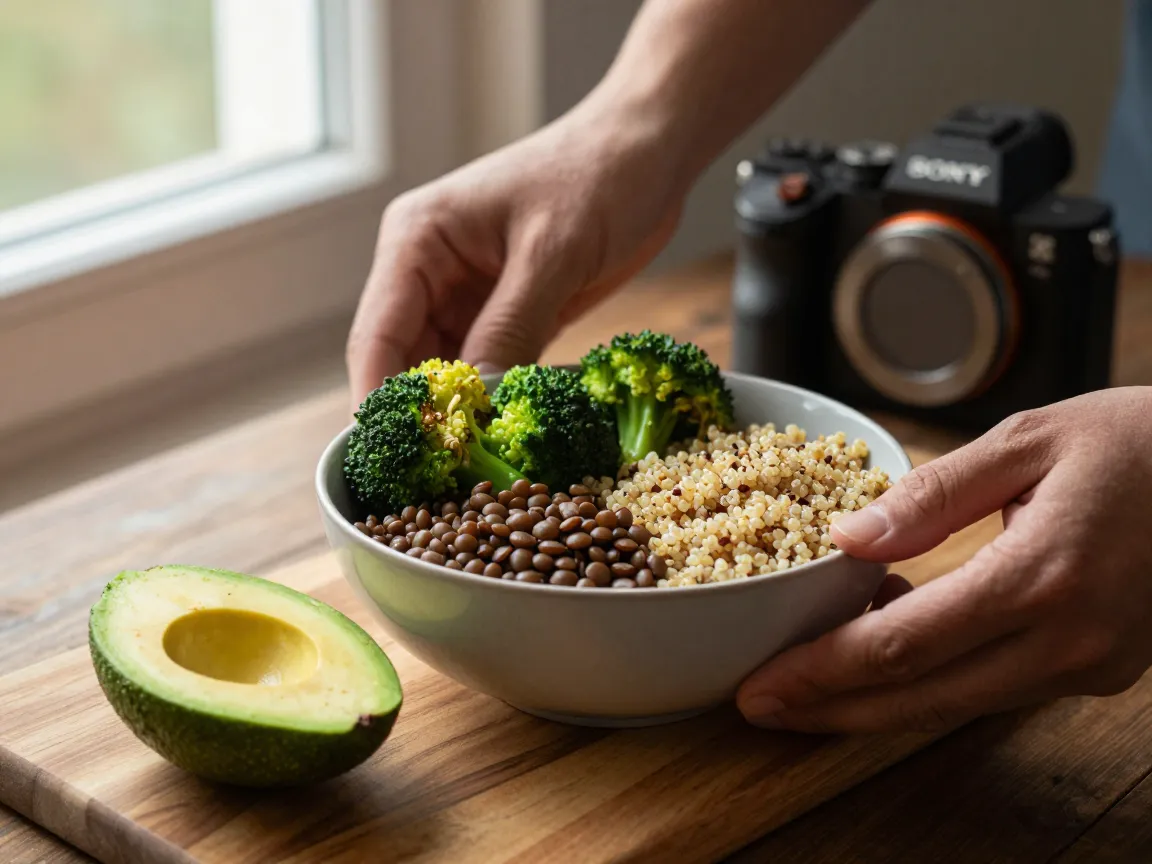
Dietary fiber from vegetables, legumes, whole grains, and fruits feeds gut bacteria that produce neuroprotective short-chain fatty acids. It also stabilizes blood sugar and lowers systemic inflammation.
- Practice
- Eat
- Principle
- Nourishment
- Tactic
- Brain Healthy Foods
- Health domains
- gut health, vascular
- Evidence grade
- Essential
How to practice Fiber-rich foods
Aim for 25–35 g of fiber (soluble and insoluble) daily from diverse whole foods, including beans, lentils, oats, berries, broccoli, flaxseed, building up 5 g/week to let your gut adjust. Drink extra water alongside fiber. Whole food sources beat supplements because they deliver polyphenols and micronutrients too.
The evidence behind Fiber-rich foods
Bacteria in your colon ferment fiber into butyrate and other short-chain fatty acids, which feed the cells lining your gut. Fiber also slows how fast sugar enters your blood, and soluble fiber lowers LDL cholesterol. Fiber keeps your bowels regular. Diets high in fiber are consistently linked to lower risk of heart disease and type 2 diabetes.
Impact on brain health
Animal studies show some of these fatty acids cross into the brain, where they calm inflammation and support synaptic plasticity. One long-term study of 3,739 adults over two decades linked eating more soluble fiber to a significantly lower dementia risk. In animals, diets stripped of fiber caused the hippocampus to lose nerve connections, as microglia pruned them away.
Reviewed by BetterBrain's clinical advisors · Updated November 2026 · Our science
More Eat techniques
Pair this with other habits from the same practice.
Evidence grade: Essential
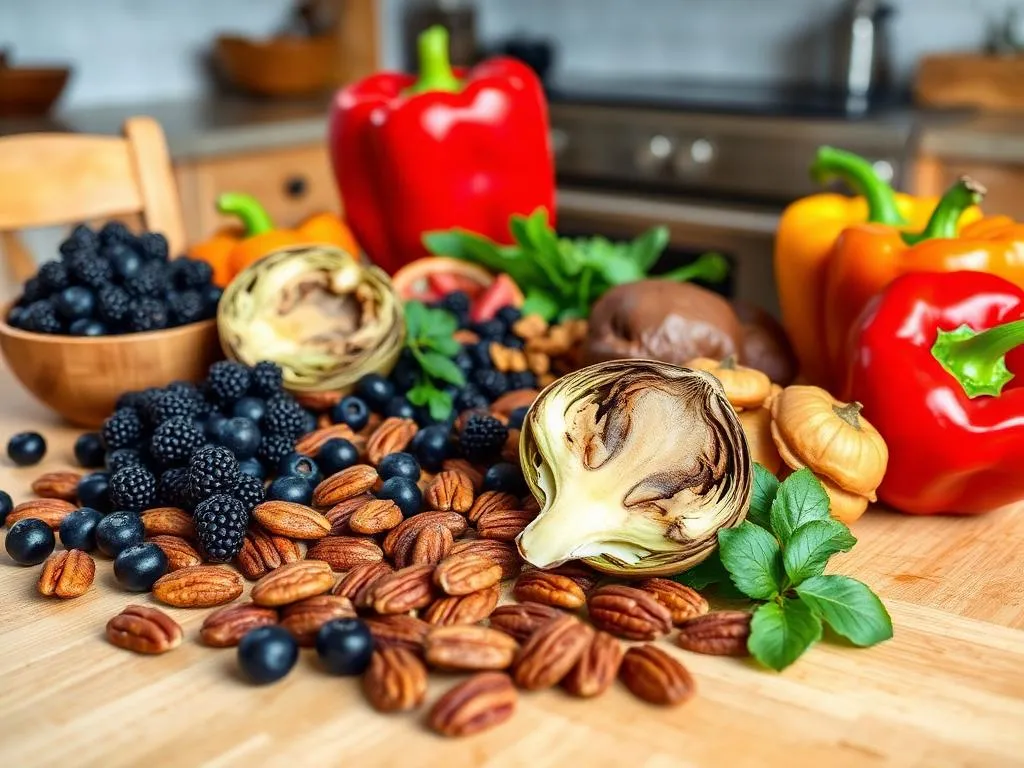
Antioxidant-rich foods
Refers to foods dense in compounds that neutralize reactive oxygen species, vitamins C and E, carotenoids, selenium, and polyphenols, found in colorful produce, nuts, seeds, whole…

Evidence grade: Essential
Carbohydrates
Macronutrients that supply glucose, the brain’s preferred energy source.
Evidence grade: Essential
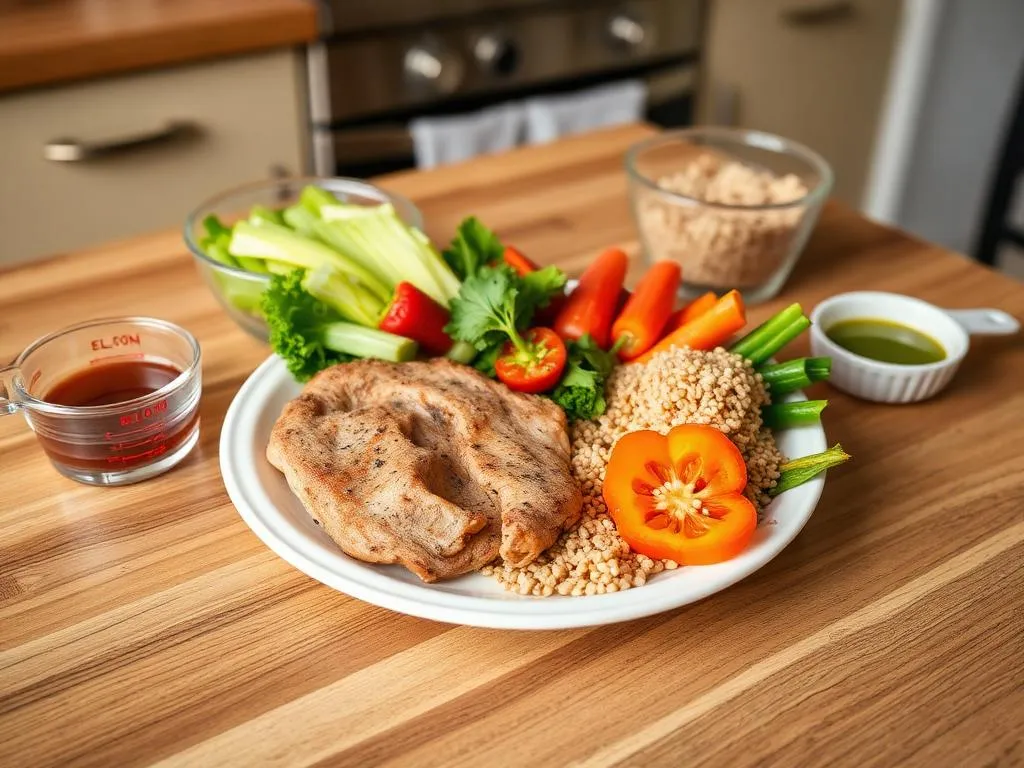
Consume appropriate calories
Matching total caloric intake to individual energy needs, neither chronically excessive nor restrictive, based on age, activity, and goals.
Take control of your brain health
BetterBrain gives you a personalized protocol of techniques like these, backed by science and tailored to you.