Eat · Brain health technique
Consume appropriate calories
Evidence grade: Essential
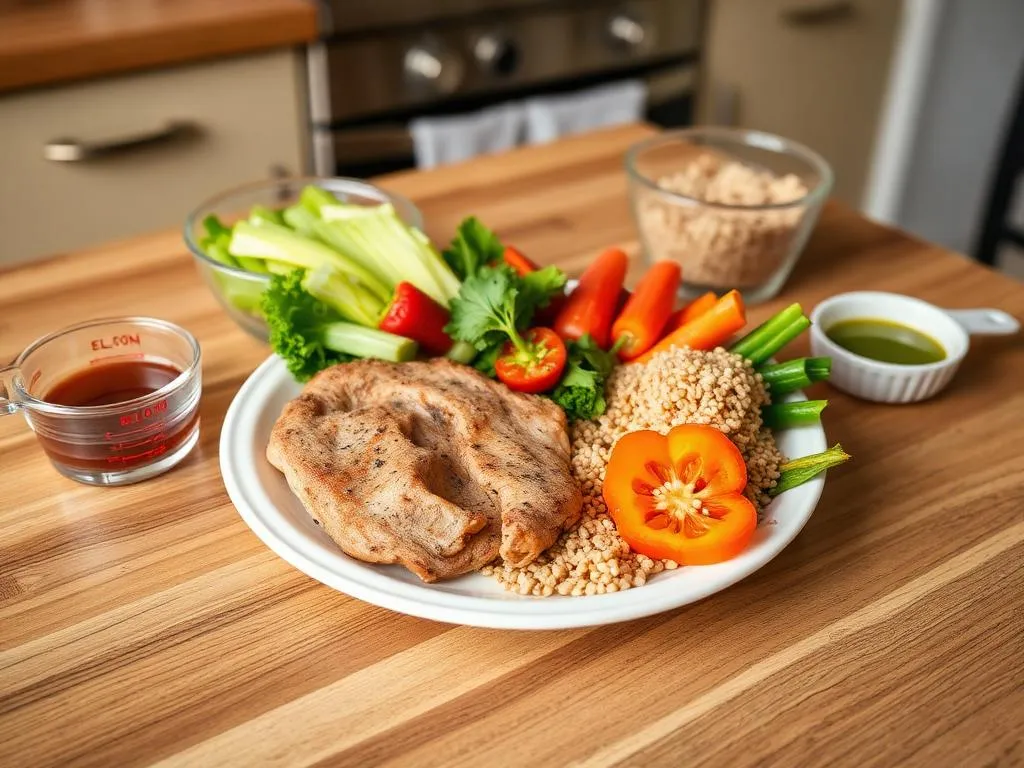
Matching total caloric intake to individual energy needs, neither chronically excessive nor restrictive, based on age, activity, and goals. Supports stable weight, energy, and metabolic health while preventing both nutrient deficiency and obesity-related inflammation.
- Practice
- Eat
- Principle
- Nourishment
- Tactic
- Other Nutritional Strategies
- Evidence grade
- Essential
- Strength of evidence
- High
- Cost
- Low
- Effort
- Medium
- Time commitment
- Low
How to practice Consume appropriate calories
Track intake periodically to calibrate portion sizes; most adults maintain weight with roughly 14–16 calories per pound of body weight depending on activity. Adjust gradually if weight or energy changes. Prioritize high-nutrient foods to meet needs within calorie targets. Avoid yo-yo dieting, consistency in moderate balance is most protective. Reassess every few months as activity or metabolism shifts.
The evidence behind Consume appropriate calories
Regular overeating raises inflammation, oxidative stress, and insulin resistance. Cutting calories for a long time can slow your metabolism and leave you short on nutrients. Studies and trials consistently show a healthy weight supports healthy blood vessels. Some data suggest a small calorie cut improves markers linked to a longer life. Extreme restriction can hurt your mood. Your ideal intake depends on your genes and activity.
Impact on brain health
Studies and trials consistently show that keeping a healthy weight also supports better memory and thinking. Extreme restriction can make it harder to focus.
Reviewed by BetterBrain's clinical advisors · Updated November 2026 · Our science
More Eat techniques
Pair this with other habits from the same practice.
Evidence grade: Essential
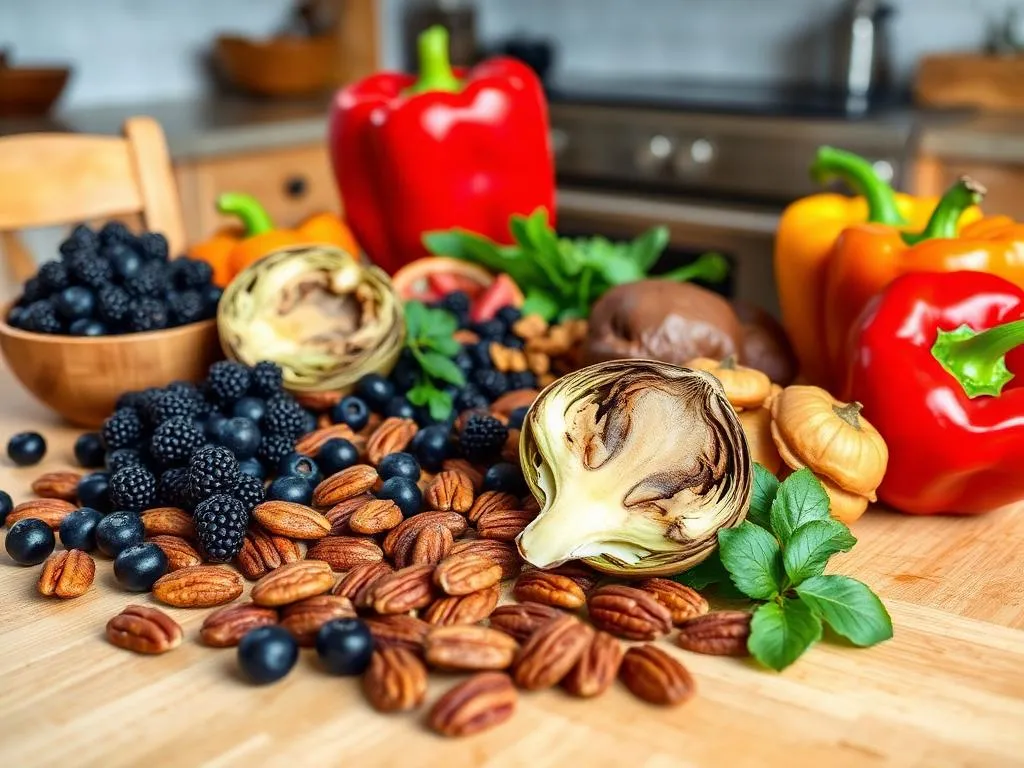
Antioxidant-rich foods
Refers to foods dense in compounds that neutralize reactive oxygen species, vitamins C and E, carotenoids, selenium, and polyphenols, found in colorful produce, nuts, seeds, whole…

Evidence grade: Essential
Carbohydrates
Macronutrients that supply glucose, the brain’s preferred energy source.
Evidence grade: Essential
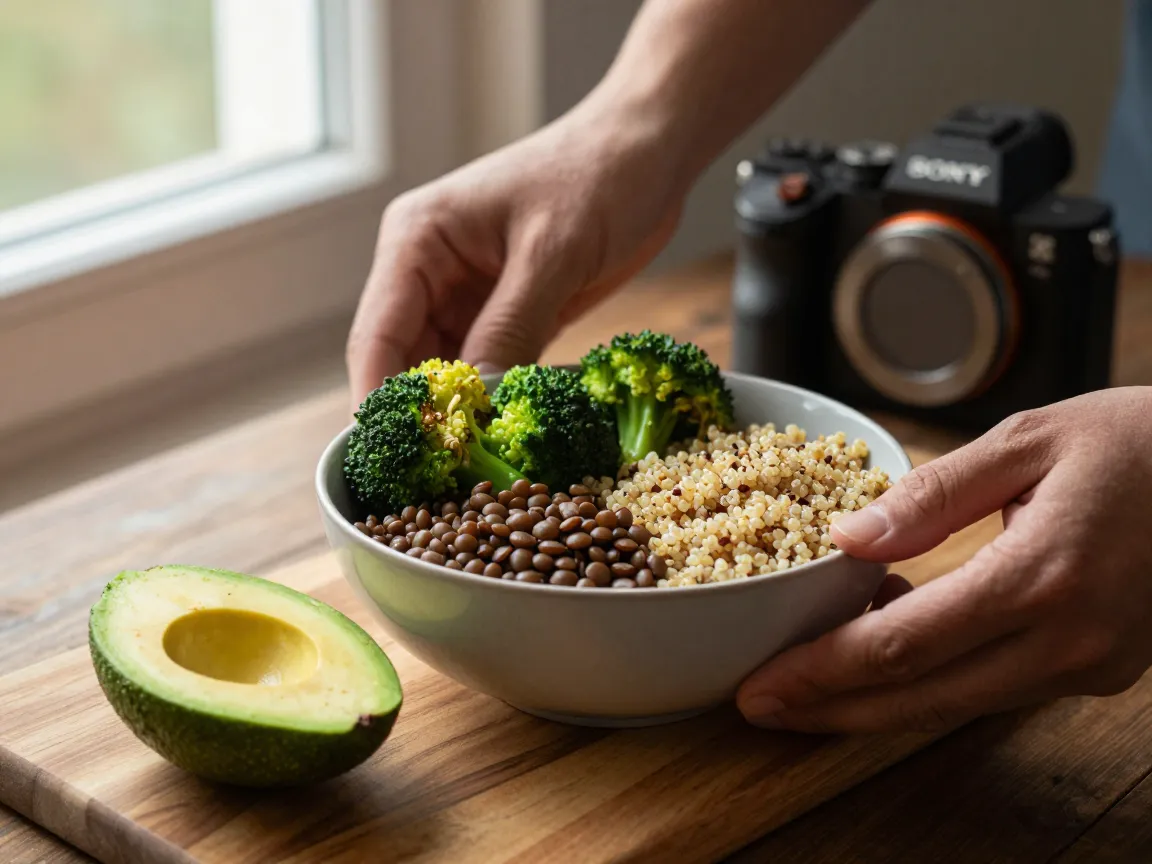
Fiber-rich foods
Dietary fiber from vegetables, legumes, whole grains, and fruits feeds gut bacteria that produce neuroprotective short-chain fatty acids.
Take control of your brain health
BetterBrain gives you a personalized protocol of techniques like these, backed by science and tailored to you.