Eat · Brain health technique
Blueberry anthocyanins
Evidence grade: Context Dependent
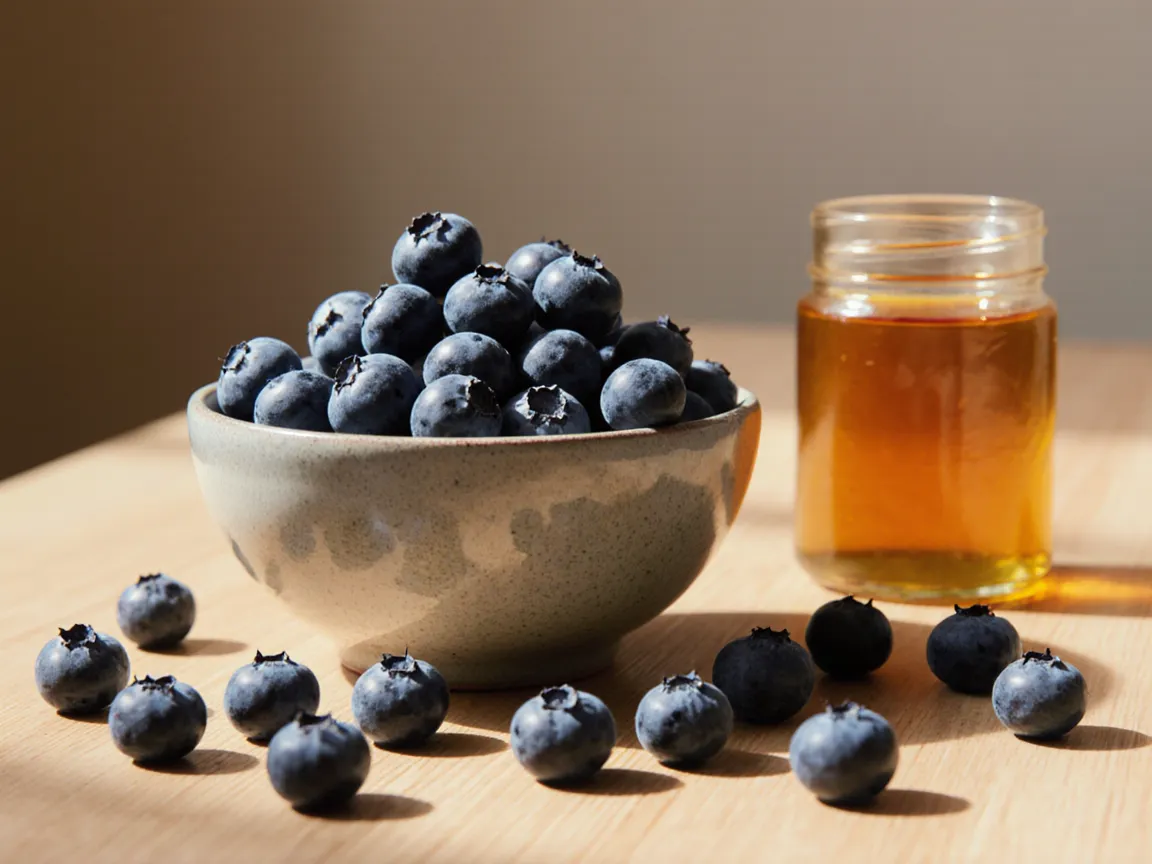
The deep blue-purple pigments in blueberries that act as powerful antioxidants and anti-inflammatory compounds in the brain.
- Practice
- Eat
- Principle
- Nourishment
- Tactic
- Brain Healthy Foods
- Evidence grade
- Context Dependent
How to practice Blueberry anthocyanins
Eat half to one cup of blueberries daily. Fresh, frozen, and freeze-dried all retain their anthocyanins well. Wild (lowbush) blueberries have about double the concentration of regular store-bought varieties. Add them to oatmeal, yogurt, or smoothies to make it a daily habit. Eating them with a little fat (like yogurt or nuts) may help your body absorb more.
The evidence behind Blueberry anthocyanins
Anthocyanins are the pigments that give blueberries their deep blue-purple color. Anthocyanins are antioxidants, meaning they neutralize free radicals. Anthocyanins also help calm inflammation. Blueberries give you fiber and vitamin C too. Diets rich in fruits like berries are linked to a lower risk of heart disease.
Impact on brain health
Animal and lab studies show anthocyanins collect in the hippocampus and cortex, where they calm inflammation, neutralize free radicals, and boost BDNF. A pooled analysis of small, short clinical trials found anthocyanin supplements improved memory, especially recall, in healthy people and in people with cognitive decline, though lasting benefit is uncertain. Small studies in older adults also show more blood flow to memory regions after weeks of blueberry supplements.
Reviewed by BetterBrain's clinical advisors · Updated November 2026 · Our science
More Eat techniques
Pair this with other habits from the same practice.
Evidence grade: Essential
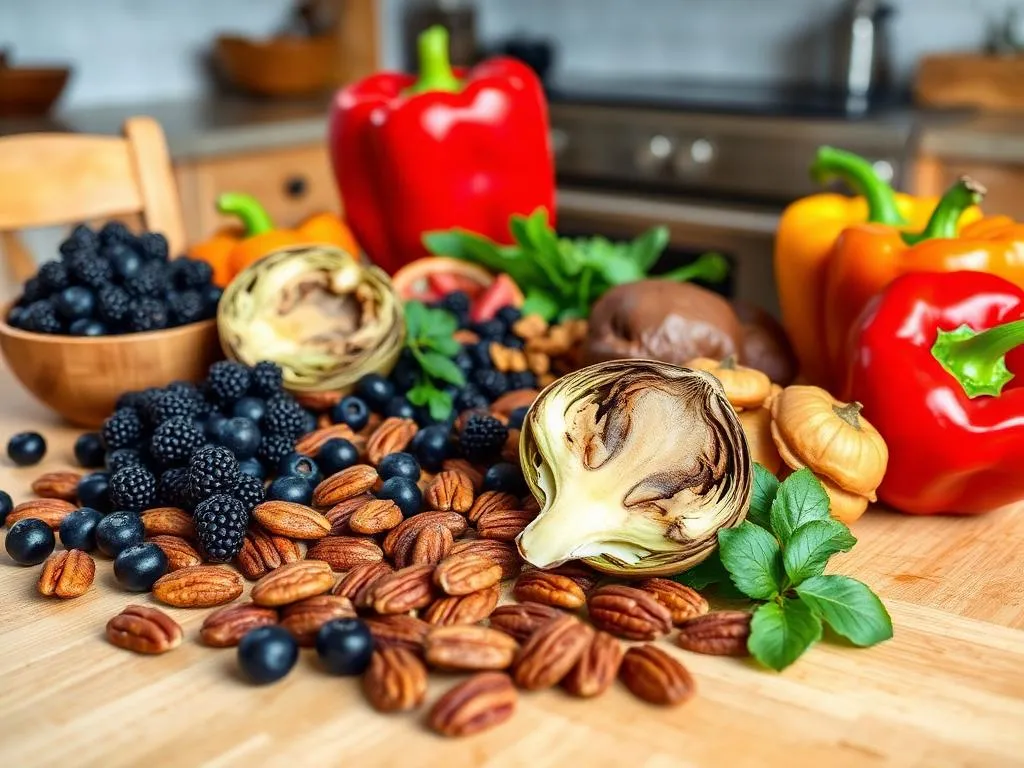
Antioxidant-rich foods
Refers to foods dense in compounds that neutralize reactive oxygen species, vitamins C and E, carotenoids, selenium, and polyphenols, found in colorful produce, nuts, seeds, whole…
Evidence grade: Essential
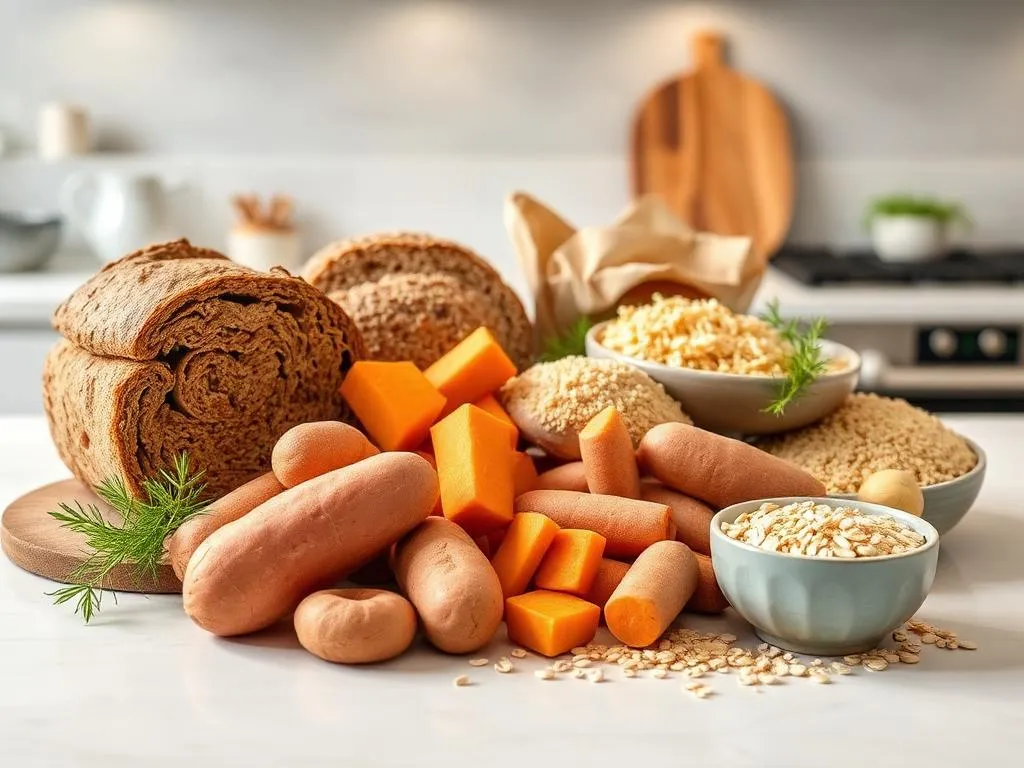
Carbohydrates
Macronutrients that supply glucose, the brain’s preferred energy source.
Evidence grade: Essential
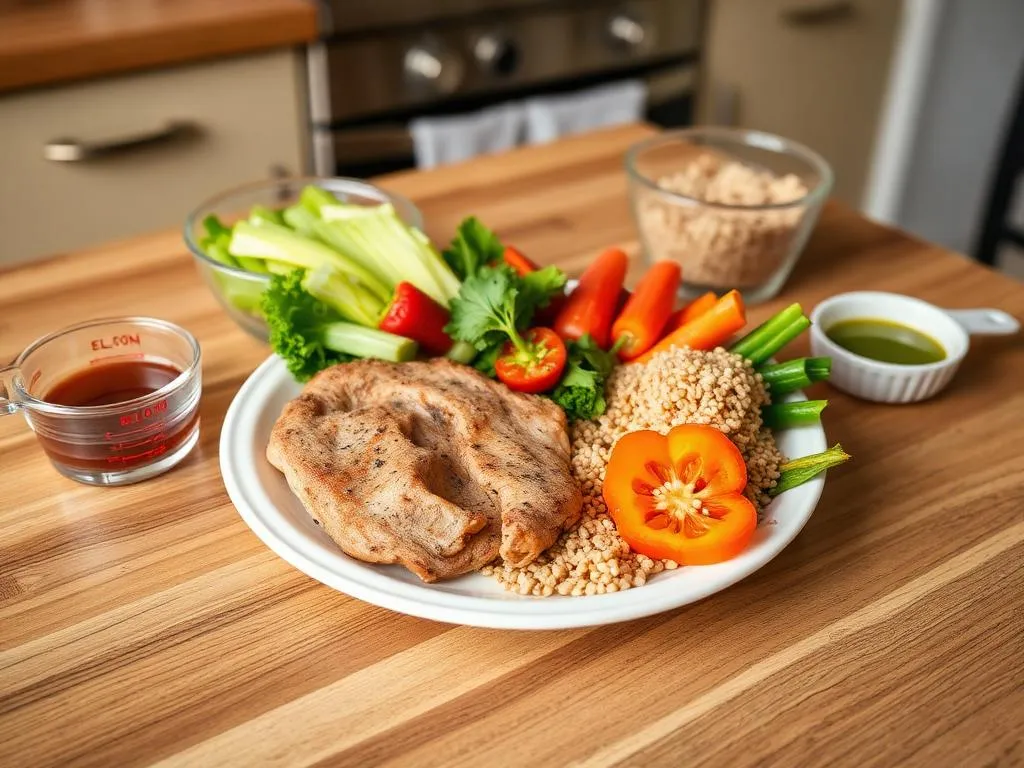
Consume appropriate calories
Matching total caloric intake to individual energy needs, neither chronically excessive nor restrictive, based on age, activity, and goals.
Take control of your brain health
BetterBrain gives you a personalized protocol of techniques like these, backed by science and tailored to you.