Eat · Brain health technique
Fermented foods
Evidence grade: Context Dependent

Foods produced through microbial fermentation such as yogurt, kefir, sauerkraut, kimchi, miso, tempeh, and kombucha. These contain live cultures (probiotics) and bioactive compounds that influence gut microbiota, immune signaling, and possibly brain–gut communication.
- Practice
- Eat
- Principle
- Nourishment
- Tactic
- Brain Healthy Foods
- Health domains
- metabolic
- Evidence grade
- Context Dependent
- Strength of evidence
- Medium
- Cost
- Low
- Effort
- Low
- Time commitment
- Low
How to practice Fermented foods
Include a small serving (e.g., ½ cup yogurt, kefir, or kimchi) daily or several times weekly. Choose refrigerated, unpasteurized, low-sugar options labeled “live and active cultures.” Variety is better than quantity, rotate dairy, soy, and vegetable ferments. Start gradually to avoid bloating. Those with histamine intolerance or immunosuppression should moderate intake. Shelf-stable or pasteurized versions provide flavor but little probiotic benefit.
The evidence behind Fermented foods
Fermentation produces the live microbes in foods like yogurt and sauerkraut, and small pieces of protein. These can improve your gut barrier and lower inflammation throughout your body. Benefits seem strongest if you don't eat many fermented foods now or have digestive issues. Many claims are overhyped and not every fermented food still has live cultures after processing.
Impact on brain health
Small clinical trials show fermented dairy and kimchi can improve mood and measures of thinking, but results are inconsistent. Data from long-term studies are limited, though a benefit through the gut-brain axis is plausible.
Reviewed by BetterBrain's clinical advisors · Updated November 2026 · Our science
More Eat techniques
Pair this with other habits from the same practice.
Evidence grade: Essential
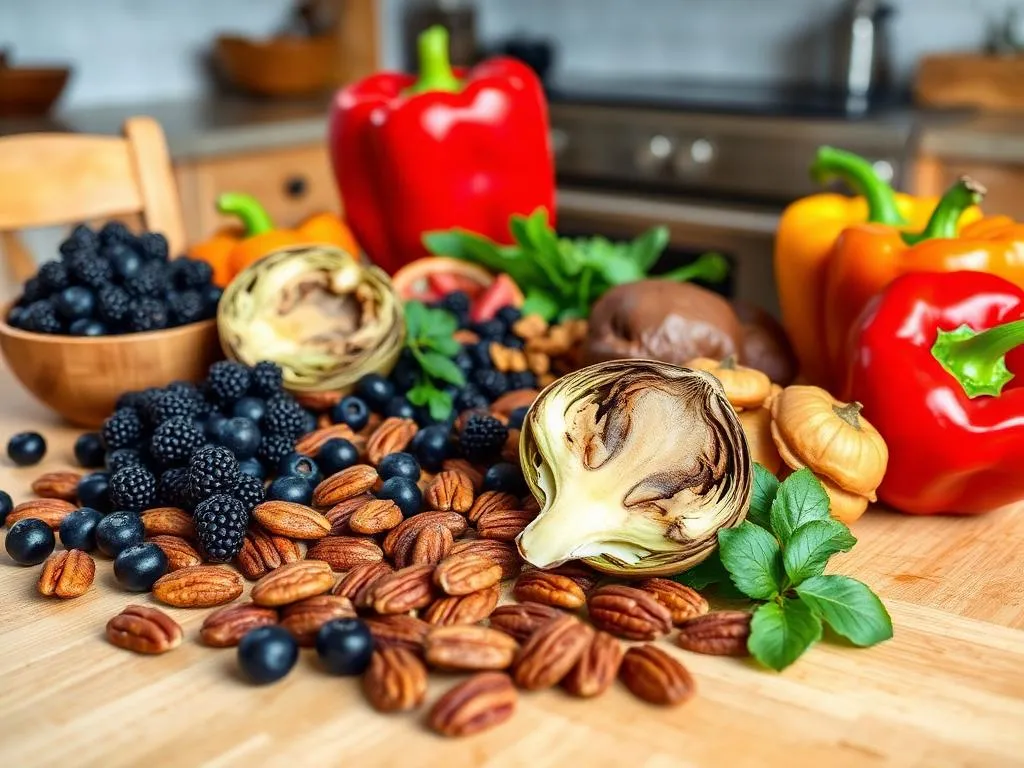
Antioxidant-rich foods
Refers to foods dense in compounds that neutralize reactive oxygen species, vitamins C and E, carotenoids, selenium, and polyphenols, found in colorful produce, nuts, seeds, whole…
Evidence grade: Essential
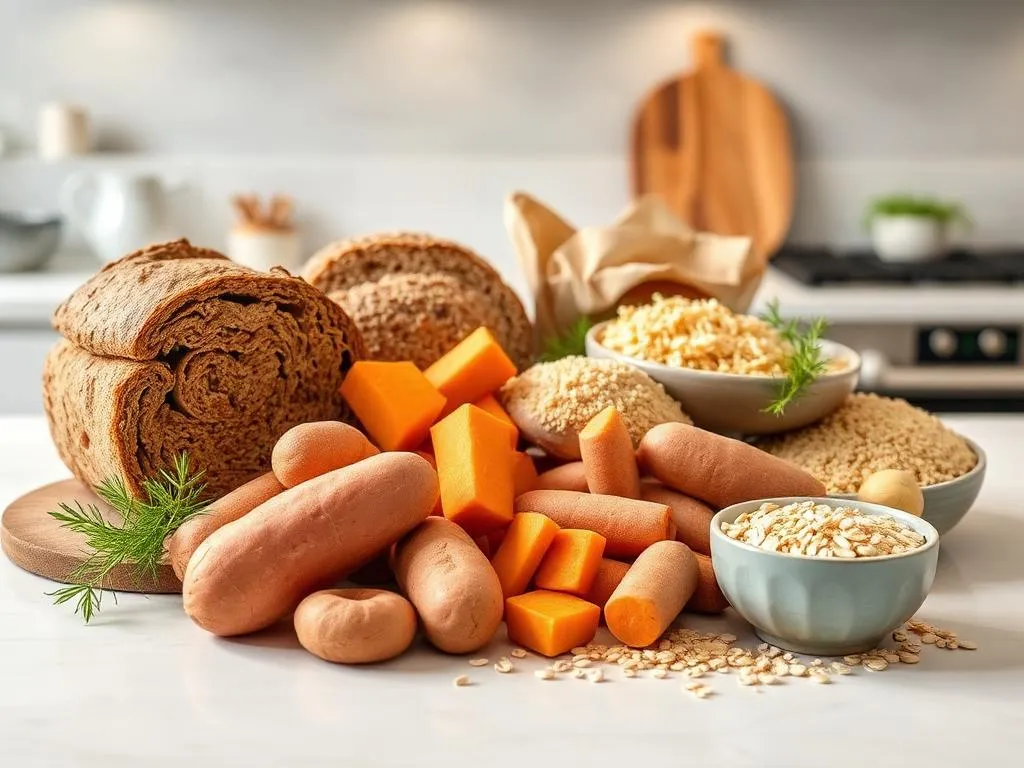
Carbohydrates
Macronutrients that supply glucose, the brain’s preferred energy source.
Evidence grade: Essential
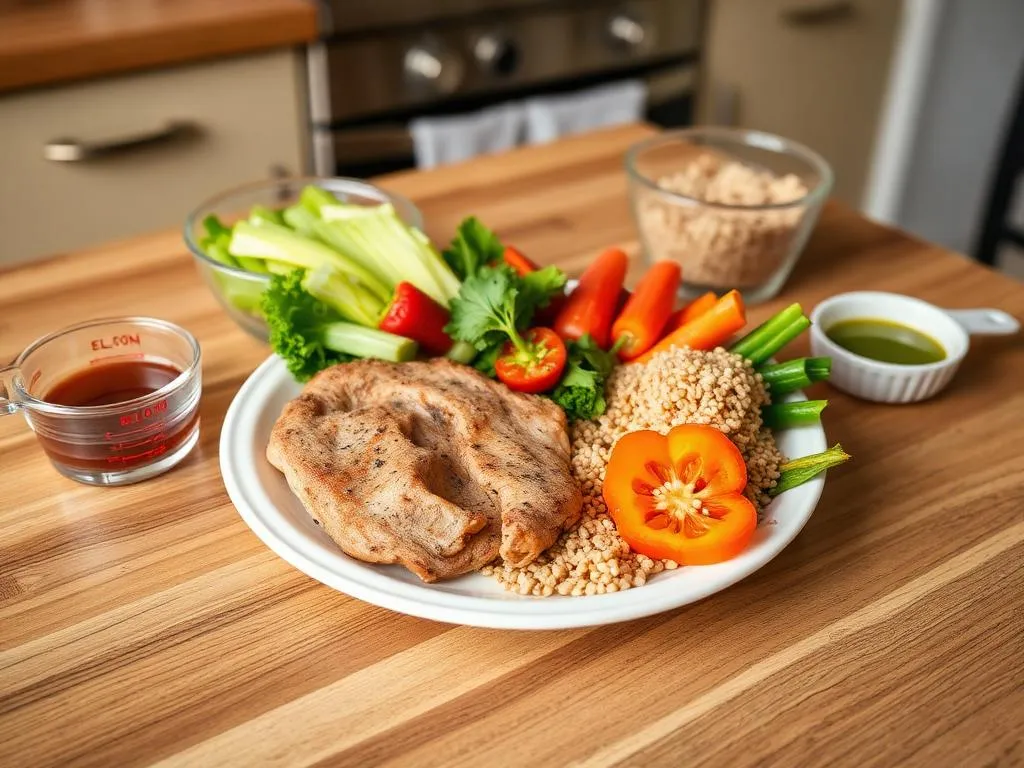
Consume appropriate calories
Matching total caloric intake to individual energy needs, neither chronically excessive nor restrictive, based on age, activity, and goals.
Take control of your brain health
BetterBrain gives you a personalized protocol of techniques like these, backed by science and tailored to you.