Eat · Brain health technique
Foods rich in flavonoids
Evidence grade: Essential

Includes cocoa, vegetables, teas, and herbs that provide plant compounds such as anthocyanins, flavonols, and flavones. These compounds act as antioxidants and signaling molecules that help regulate inflammation, vascular tone, and cellular defense pathways relevant to the brain.
- Practice
- Eat
- Principle
- Nourishment
- Tactic
- Brain Healthy Foods
- Evidence grade
- Essential
- Strength of evidence
- High
- Cost
- Medium
- Effort
- Low
- Time commitment
- Low
How to practice Foods rich in flavonoids
Eat a wide variety of colorful plants daily, berries several times per week, apples or citrus most days, and tea or cocoa (unsweetened) in moderation. Frozen fruit retains most flavonoids. Diversity matters more than any single source. Limit added sugar in juices or chocolate products. The benefit plateaus once overall fruit and vegetable intake is high.
The evidence behind Foods rich in flavonoids
Flavonoids are plant compounds that help keep your blood vessels healthy and lower inflammation in your body. Long-term studies also link flavonoid-rich diets to a lower risk of heart disease. The evidence for these blood vessel and inflammation benefits is strong. Taking lots of supplements offers no proven advantage over eating whole foods.
Impact on brain health
In your brain, flavonoids improve blood flow and may help protect neurons from oxidative stress. Large long-term studies link eating lots of berries, apples, citrus, and tea to slower cognitive decline and lower dementia risk. Small trials of cocoa flavanols and blueberry extracts show better executive function and memory.
Reviewed by BetterBrain's clinical advisors · Updated November 2026 · Our science
More Eat techniques
Pair this with other habits from the same practice.
Evidence grade: Essential
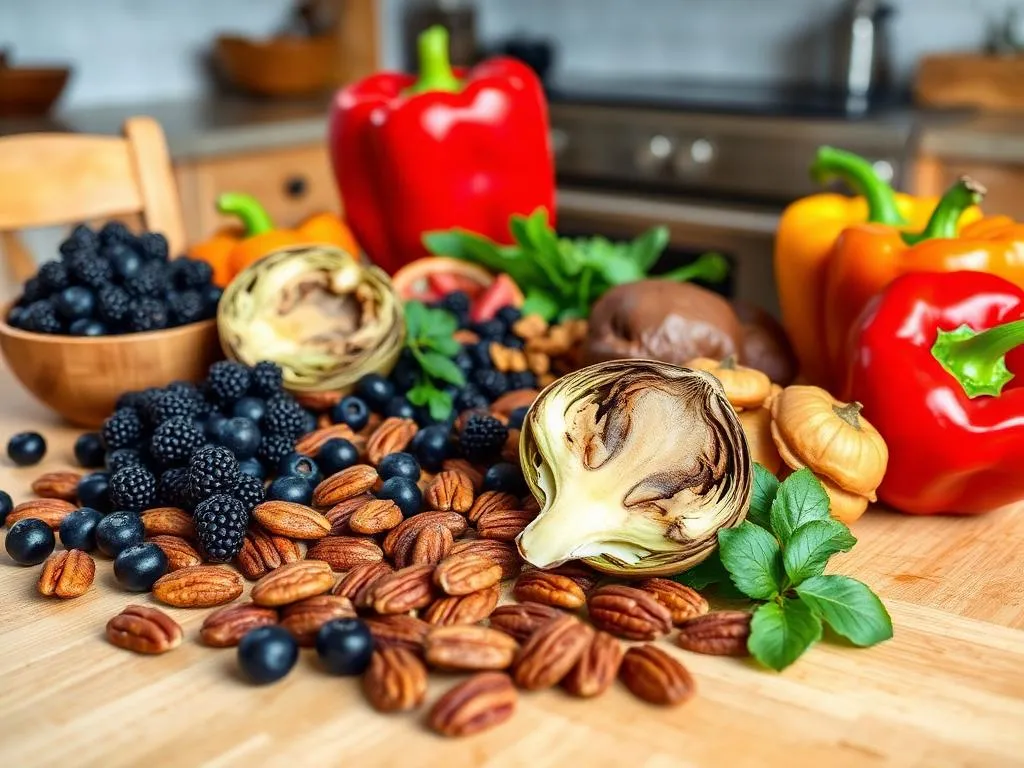
Antioxidant-rich foods
Refers to foods dense in compounds that neutralize reactive oxygen species, vitamins C and E, carotenoids, selenium, and polyphenols, found in colorful produce, nuts, seeds, whole…
Evidence grade: Essential
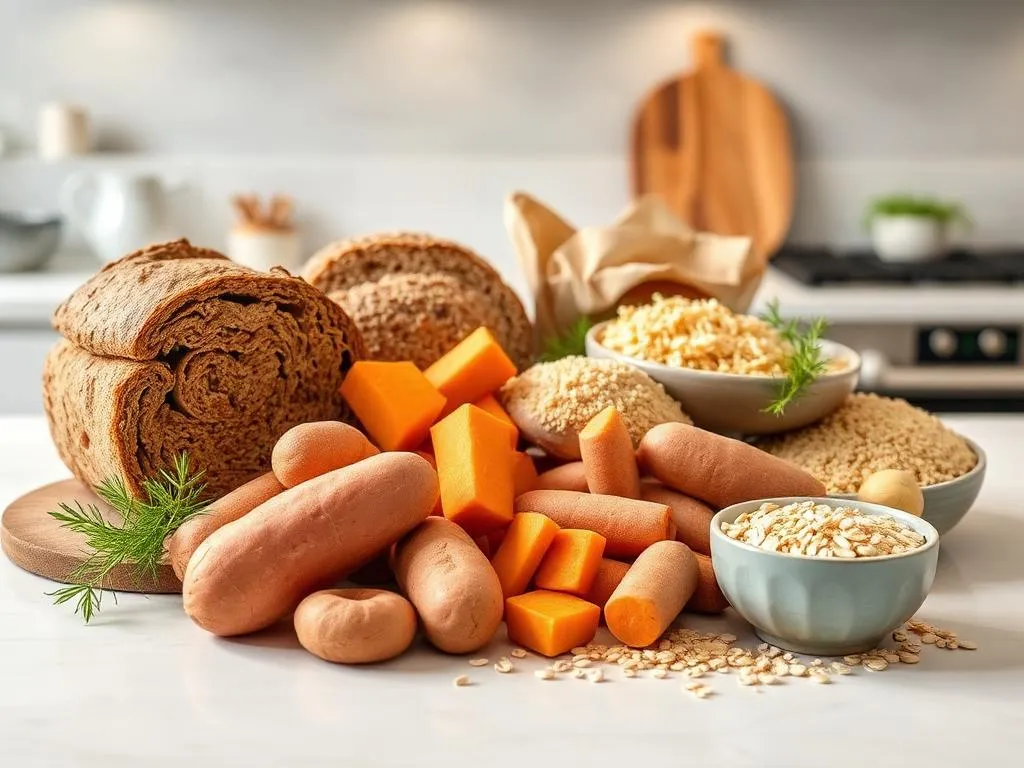
Carbohydrates
Macronutrients that supply glucose, the brain’s preferred energy source.

Evidence grade: Essential
Consume appropriate calories
Matching total caloric intake to individual energy needs, neither chronically excessive nor restrictive, based on age, activity, and goals.
Take control of your brain health
BetterBrain gives you a personalized protocol of techniques like these, backed by science and tailored to you.