Eat · Brain health technique
High vegetable intake
Evidence grade: Essential
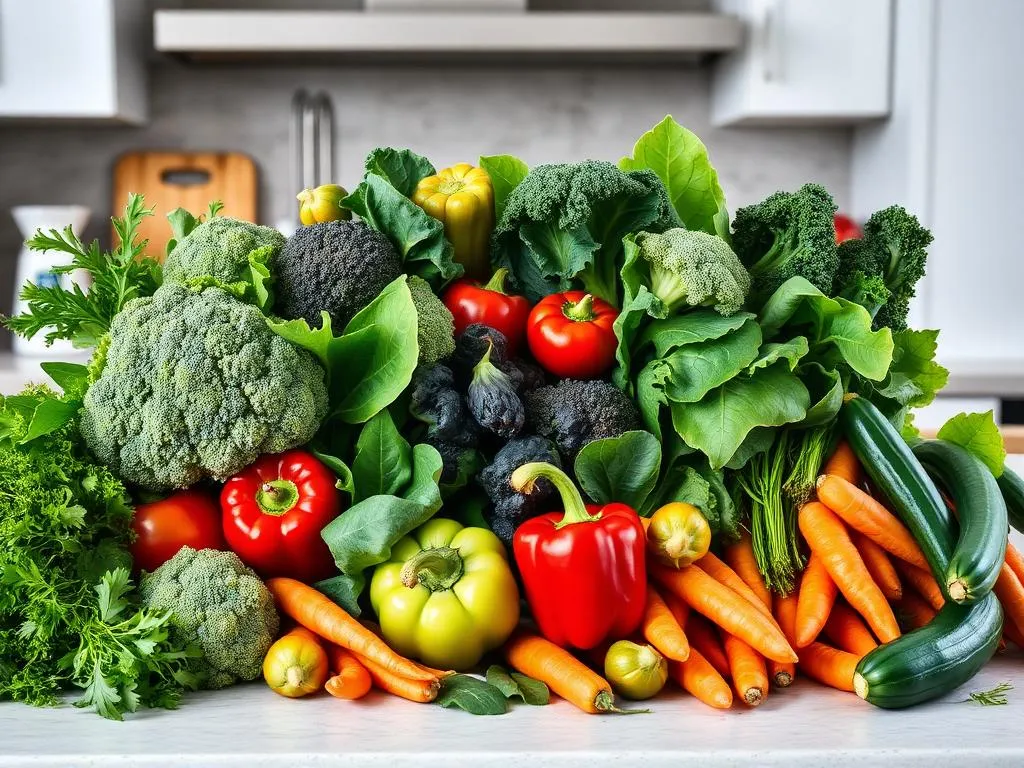
Consuming a wide range of non-starchy vegetables, leafy greens, cruciferous, roots, and colorful types, in large daily quantities (typically 3–5+ cups). Provides fiber, micronutrients, antioxidants, and phytochemicals that modulate inflammation and oxidative stress.
- Practice
- Eat
- Principle
- Nourishment
- Tactic
- Brain Healthy Foods
- Health domains
- gut health, inflammation, metabolic
- Evidence grade
- Essential
- Strength of evidence
- High
- Cost
- High
- Effort
- Low
- Time commitment
- Low
How to practice High vegetable intake
Aim for vegetables at every meal, targeting a variety of colors and textures. Include at least one serving of leafy greens daily and one cruciferous vegetable (broccoli, cabbage, kale) several times per week. Fresh, frozen, or lightly cooked all count; raw-only is unnecessary. Steam or roast to preserve nutrients. Add olive oil or nuts to boost fat-soluble absorption. Gradually increase fiber to avoid bloating.
The evidence behind High vegetable intake
A vegetable-rich diet lowers homocysteine and oxidative stress. It also improves your mix of gut bacteria and the health of your blood vessels. Long-term studies link high vegetable intake to a lower risk of heart disease and stroke. Leafy greens, cruciferous vegetables (e.g. broccoli, cabbage), and deeply colored vegetables bring the biggest benefits. For most people, the only downside is minor digestive adjustment as you add fiber.
Impact on brain health
Large long-term studies strongly link eating more vegetables, especially leafy greens, to slower cognitive decline. The link is consistent across long-term studies and trials that improved overall diet quality.
Reviewed by BetterBrain's clinical advisors · Updated November 2026 · Our science
More Eat techniques
Pair this with other habits from the same practice.
Evidence grade: Essential
Antioxidant-rich foods
Refers to foods dense in compounds that neutralize reactive oxygen species, vitamins C and E, carotenoids, selenium, and polyphenols, found in colorful produce, nuts, seeds, whole…

Evidence grade: Essential
Carbohydrates
Macronutrients that supply glucose, the brain’s preferred energy source.

Evidence grade: Essential
Consume appropriate calories
Matching total caloric intake to individual energy needs, neither chronically excessive nor restrictive, based on age, activity, and goals.
Take control of your brain health
BetterBrain gives you a personalized protocol of techniques like these, backed by science and tailored to you.