Eat · Brain health technique
Hydration optimization
Evidence grade: Essential

Maintaining adequate water and electrolyte balance to support cellular metabolism, circulation, and brain function. Includes both sufficient total fluid intake and proper sodium–potassium balance through foods and beverages.
- Practice
- Eat
- Principle
- Nourishment
- Tactic
- Other Nutritional Strategies
- Evidence grade
- Essential
- Strength of evidence
- High
How to practice Hydration optimization
Aim for pale-yellow urine as a simple indicator. Most adults need 2–3 liters of fluid daily, more with heat or exercise. Include electrolytes from food (fruits, vegetables, dairy) or add electrolytes if sweating heavily. Coffee and tea count toward totals. Avoid overhydration, rapid intake of several liters without electrolytes can be dangerous. Prioritize steady intake throughout the day rather than large boluses.
The evidence behind Hydration optimization
Drinking too little over time raises the risk of kidney strain and fatigue. Losing water can lower your blood volume, so your heart has to work harder to move blood around your body. Even mild dehydration (losing water equal to 1 to 2% of your body weight) can lower your mood. Controlled studies show proper hydration improves energy, especially in older adults and athletes. The evidence is robust, though your needs vary with temperature, diet, and activity. Drinking too much water, especially without electrolytes, can cause low blood sodium.
Impact on brain health
Even mild dehydration can also reduce your attention and working memory. Controlled studies show proper hydration improves thinking, especially in older adults and athletes.
Reviewed by BetterBrain's clinical advisors · Updated November 2026 · Our science
More Eat techniques
Pair this with other habits from the same practice.
Evidence grade: Essential
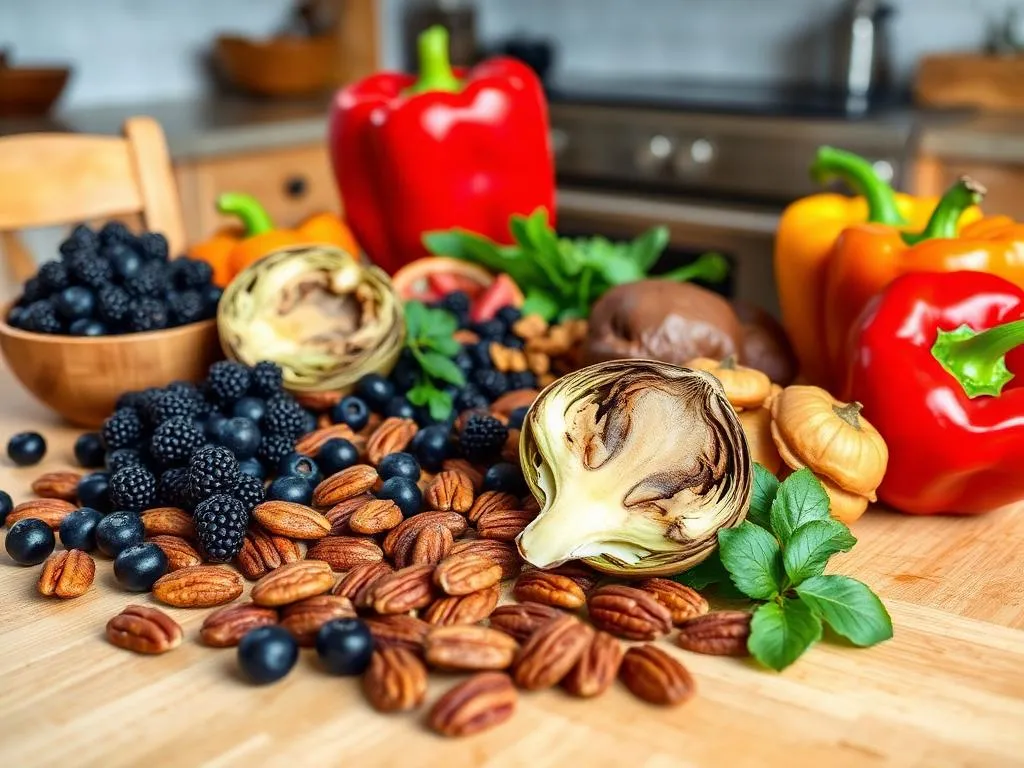
Antioxidant-rich foods
Refers to foods dense in compounds that neutralize reactive oxygen species, vitamins C and E, carotenoids, selenium, and polyphenols, found in colorful produce, nuts, seeds, whole…

Evidence grade: Essential
Carbohydrates
Macronutrients that supply glucose, the brain’s preferred energy source.
Evidence grade: Essential
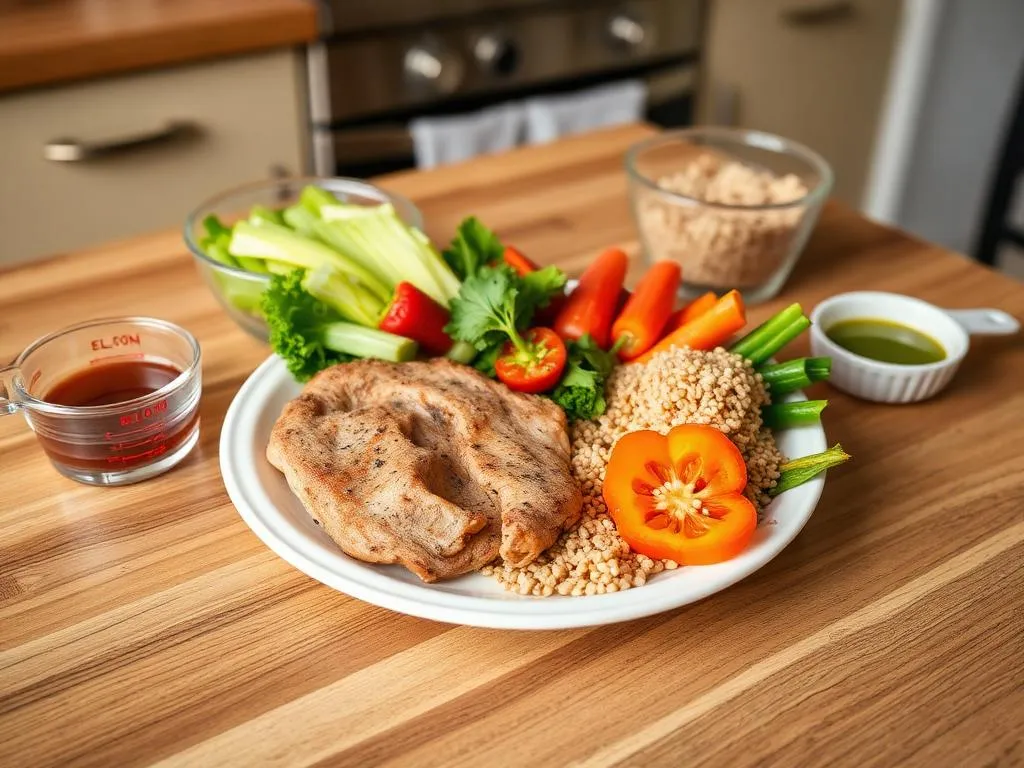
Consume appropriate calories
Matching total caloric intake to individual energy needs, neither chronically excessive nor restrictive, based on age, activity, and goals.
Take control of your brain health
BetterBrain gives you a personalized protocol of techniques like these, backed by science and tailored to you.