Therapy · Brain health technique
Intermittent Hypoxia Training (IHT)
Evidence grade: Experimental
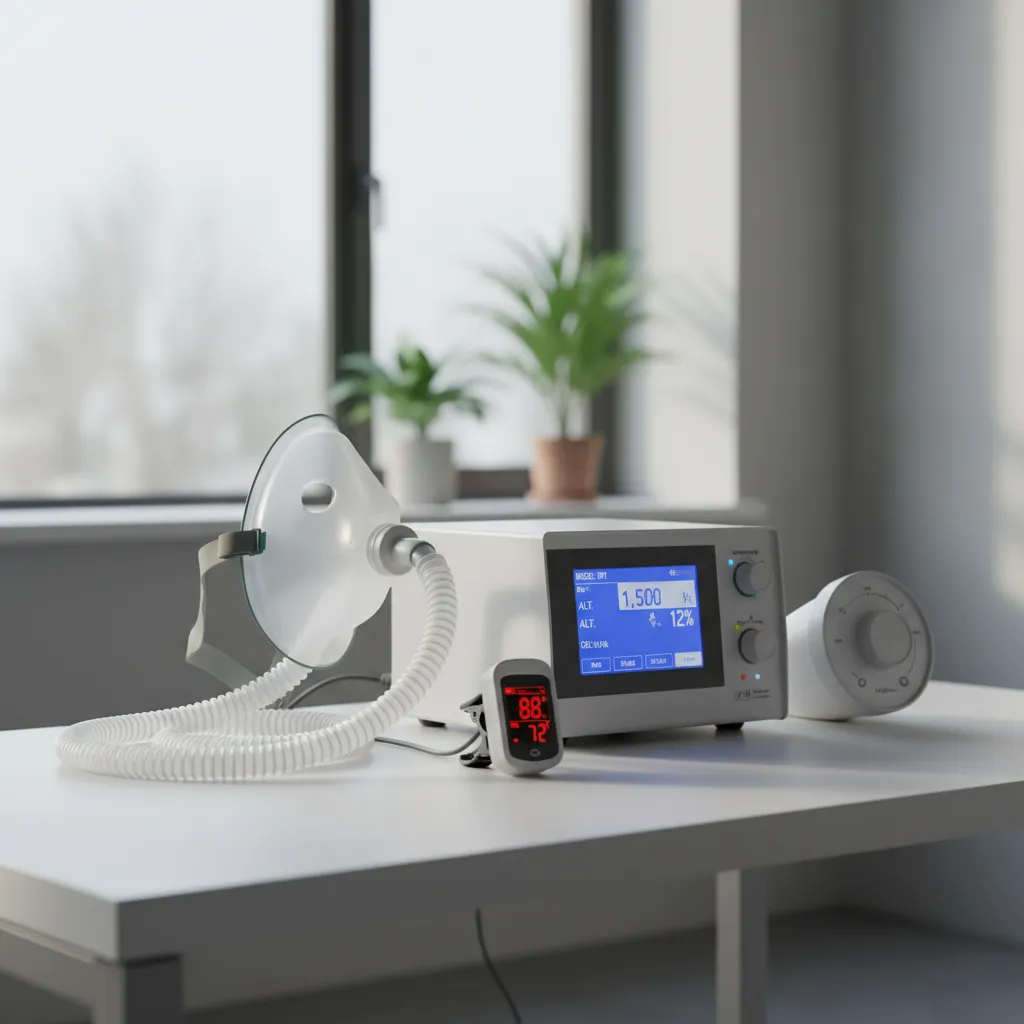
Controlled exposure to short periods of reduced oxygen (hypoxia) alternating with normal breathing to stimulate vascular and mitochondrial adaptation.
- Practice
- Therapy
- Principle
- Treatment
- Tactic
- Physiologic & Environmental
- Evidence grade
- Experimental
- Strength of evidence
- Low
How to practice Intermittent Hypoxia Training (IHT)
Perform only under professional supervision with pulse oximetry and medical screening. Typical protocols involve 5–7 cycles of 1–5 minutes of hypoxia (SpO₂ 80–88%) followed by normoxia, 2–4 sessions per week. Avoid if you have cardiovascular, pulmonary, or sleep-related breathing disorders. Evidence promising but not yet ready for unsupervised or home use.
The evidence behind Intermittent Hypoxia Training (IHT)
Limited but growing evidence shows IHT can improve your cardiorespiratory fitness and mitochondrial signaling. Small studies also report mood benefits in older adults, but protocols vary widely. Mild drops in oxygen switch on HIF-1α and VEGF. These are chemical signals your body makes when oxygen is low that promote the growth of new blood vessels and metabolic flexibility.
Impact on brain health
The same limited evidence shows IHT can also improve blood flow to your brain, and small studies report thinking benefits in older adults. Whether IHT is safe and effective for brain health is still being studied.
Reviewed by BetterBrain's clinical advisors · Updated November 2026 · Our science
More Therapy techniques
Pair this with other habits from the same practice.

Evidence grade: Context Dependent
Blood Pressure Control
Medical and lifestyle management to maintain optimal blood pressure (typically <120/80 mmHg) through antihypertensive medications, dietary sodium reduction, exercise, and stress m…

Evidence grade: Context Dependent
Blood Sugar Management
Prevention and treatment of insulin resistance and diabetes through medication, diet, and activity to maintain fasting glucose <100 mg/dL and HbA1c <5.7% when possible.

Evidence grade: Context Dependent
Cholesterol and Vascular Health Management
Comprehensive lipid and endothelial health optimization through statins, diet, exercise, and vascular-protective agents to prevent atherosclerosis and maintain cerebral blood flow.
Take control of your brain health
BetterBrain gives you a personalized protocol of techniques like these, backed by science and tailored to you.