Eat · Brain health technique
Low-fat diet
Evidence grade: Weak

A dietary approach that limits total fat, especially saturated fat, to around 20–30% of calories, emphasizing grains, fruits, vegetables, and lean proteins while minimizing oils, butter, fatty meats, and full-fat dairy. It aims to reduce calorie density and cardiovascular risk through lower fat intake.
- Practice
- Eat
- Principle
- Nourishment
- Tactic
- Holistic Nutritional Strategies
- Evidence grade
- Weak
- Strength of evidence
- Low
How to practice Low-fat diet
Focus on replacing saturated fats (butter, fatty meats) with healthy unsaturated fats (olive, avocado, nuts) rather than eliminating fat entirely. Keep total fat moderate, roughly 25–35% of calories, while emphasizing whole grains, legumes, fruits, and vegetables. Purely low-fat processed foods (fat-free cookies, dressings) often raise sugar intake and undermine goals. For brain health, prioritize omega-3-rich foods over simply cutting fat.
The evidence behind Low-fat diet
Early trials linked low-fat diets to modest drops in cholesterol but inconsistent effects on heart disease. Some studies suggest very low-fat diets can lower HDL cholesterol and reduce absorption of fat-soluble vitamins (A, D, E, and K). The evidence points to fat quality (unsaturated versus saturated) being more important than quantity. Groups who thrive on low-fat diets also eat lots of fiber and little processed food, so the effects cannot be attributed to fats alone.
Impact on brain health
Early trials found inconsistent effects of low-fat diets on memory and thinking.
Reviewed by BetterBrain's clinical advisors · Updated November 2026 · Our science
More Eat techniques
Pair this with other habits from the same practice.
Evidence grade: Essential
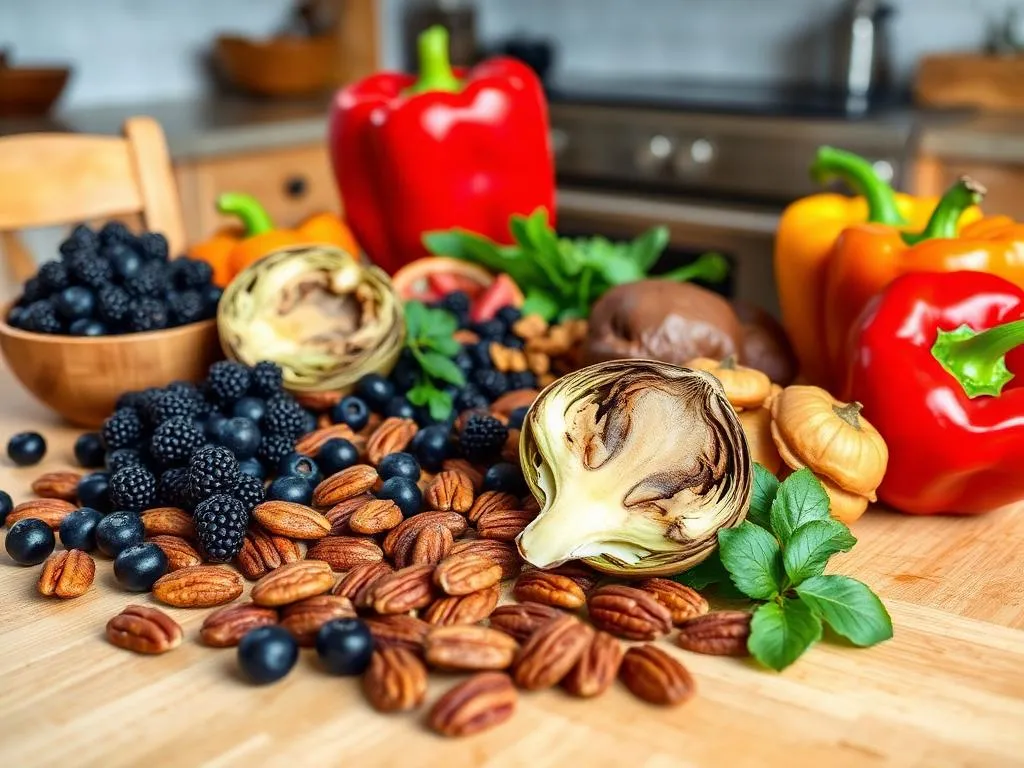
Antioxidant-rich foods
Refers to foods dense in compounds that neutralize reactive oxygen species, vitamins C and E, carotenoids, selenium, and polyphenols, found in colorful produce, nuts, seeds, whole…
Evidence grade: Essential
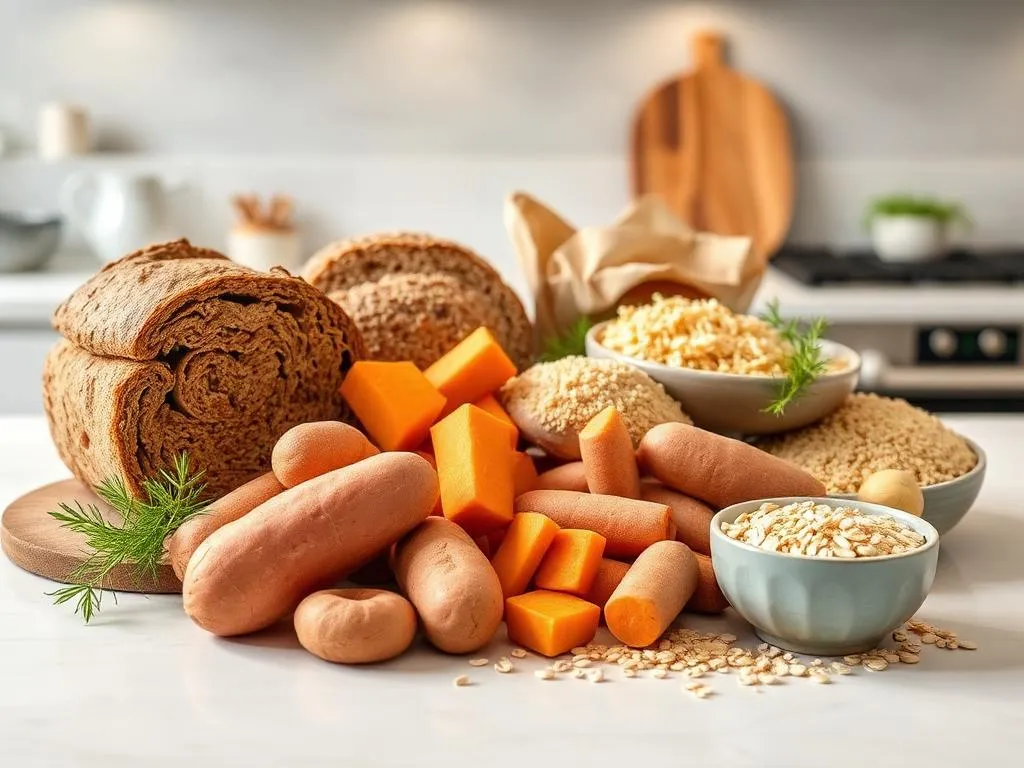
Carbohydrates
Macronutrients that supply glucose, the brain’s preferred energy source.
Evidence grade: Essential
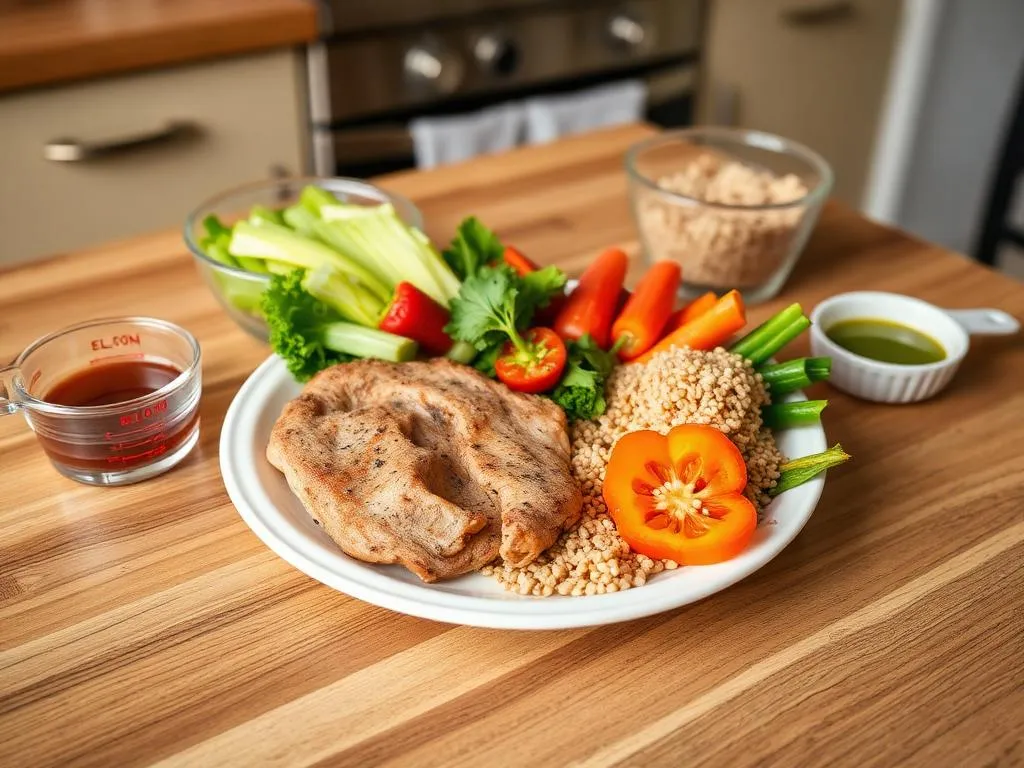
Consume appropriate calories
Matching total caloric intake to individual energy needs, neither chronically excessive nor restrictive, based on age, activity, and goals.
Take control of your brain health
BetterBrain gives you a personalized protocol of techniques like these, backed by science and tailored to you.