Eat · Brain health technique
Low-glycemic / glucose-stabilizing diet
Evidence grade: Context Dependent
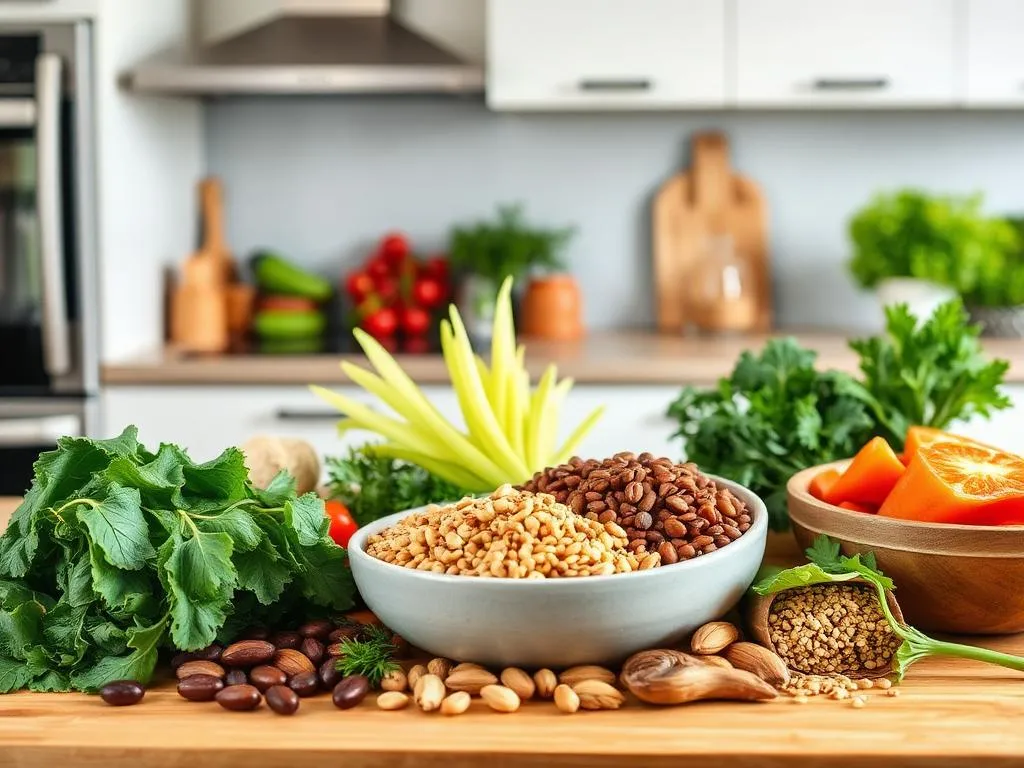
A diet that limits foods causing rapid spikes in blood sugar, emphasizing whole grains, legumes, vegetables, lean proteins, and healthy fats while minimizing refined starches, sugary drinks, and sweets. The goal is steady glucose and insulin levels, which can influence brain energy balance and inflammation.
- Practice
- Eat
- Principle
- Nourishment
- Tactic
- Holistic Nutritional Strategies
- Evidence grade
- Context Dependent
- Strength of evidence
- Medium
How to practice Low-glycemic / glucose-stabilizing diet
Favor foods with fiber, protein, and fat to slow absorption, e.g., oatmeal with nuts instead of pastries, whole fruit over juice. Avoid frequent grazing and late-night sweets. Moderate-carb Mediterranean or MIND patterns already achieve most of this benefit. Consistent timing of meals and regular exercise amplify glucose stability. For those with diabetes or on glucose-lowering drugs, coordinate changes with a clinician to avoid hypoglycemia.
The evidence behind Low-glycemic / glucose-stabilizing diet
High blood sugar and insulin resistance (when your body responds poorly to insulin) slow blood flow in your small blood vessels and raise oxidative stress. Controlled feeding studies show low-glycemic meals, which raise blood sugar slowly, blunt the post-meal spike and reduce fatigue. The evidence for these blood sugar effects is strong. The benefits are greatest for adults who are insulin resistant, overweight, or inactive.
Impact on brain health
This small-vessel and oxidative harm reaches your brain too. Large population studies link diabetes and even prediabetes to faster cognitive decline. Low-glycemic meals also improve attention in some short-term feeding studies, but long-term trials on thinking are limited.
Reviewed by BetterBrain's clinical advisors · Updated November 2026 · Our science
More Eat techniques
Pair this with other habits from the same practice.
Evidence grade: Essential
Antioxidant-rich foods
Refers to foods dense in compounds that neutralize reactive oxygen species, vitamins C and E, carotenoids, selenium, and polyphenols, found in colorful produce, nuts, seeds, whole…

Evidence grade: Essential
Carbohydrates
Macronutrients that supply glucose, the brain’s preferred energy source.

Evidence grade: Essential
Consume appropriate calories
Matching total caloric intake to individual energy needs, neither chronically excessive nor restrictive, based on age, activity, and goals.
Take control of your brain health
BetterBrain gives you a personalized protocol of techniques like these, backed by science and tailored to you.