Eat · Brain health technique
Mediterranean diet
Evidence grade: Context Dependent

A balanced eating pattern based on traditional diets of Southern Europe. It centers on fruits, vegetables, whole grains, legumes, olive oil, nuts, fish, and moderate wine intake, with limited red meat and processed foods. It supports vascular and metabolic health through nutrient density and healthy fats.
- Practice
- Eat
- Principle
- Nourishment
- Tactic
- Holistic Nutritional Strategies
- Health domains
- gut health, metabolic, vascular
- Evidence grade
- Context Dependent
- Strength of evidence
- Medium
- Effort
- Medium
- Time commitment
- Low
How to practice Mediterranean diet
Build meals around plants, olive oil, and fish; limit added sugars and processed meat. Choose olive oil over butter, nuts over chips, and fish or legumes over red meat. Moderate portions of red wine (optional, ≤1 glass/day) may be fine if not contraindicated. Consistency matters more than purity, partial adherence still delivers benefits. Suitable for nearly everyone and easily adapted to local cuisines.
The evidence behind Mediterranean diet
Dozens of large long-term studies and several clinical trials link this diet to a lower risk of heart disease and stroke. The diet's healthy fats (from olive oil, nuts, and fish) and polyphenols lower inflammation and support healthy blood vessels. Benefits hold across populations and ages, though the exact mix of fat, carbs, and protein varies. There's minor debate over the merits of wine and total fat.
Impact on brain health
Long-term studies also link this diet to a lower risk of cognitive decline and Alzheimer's. The diet's fats and polyphenols are thought to improve blood flow to your brain.
Reviewed by BetterBrain's clinical advisors · Updated November 2026 · Our science
More Eat techniques
Pair this with other habits from the same practice.
Evidence grade: Essential
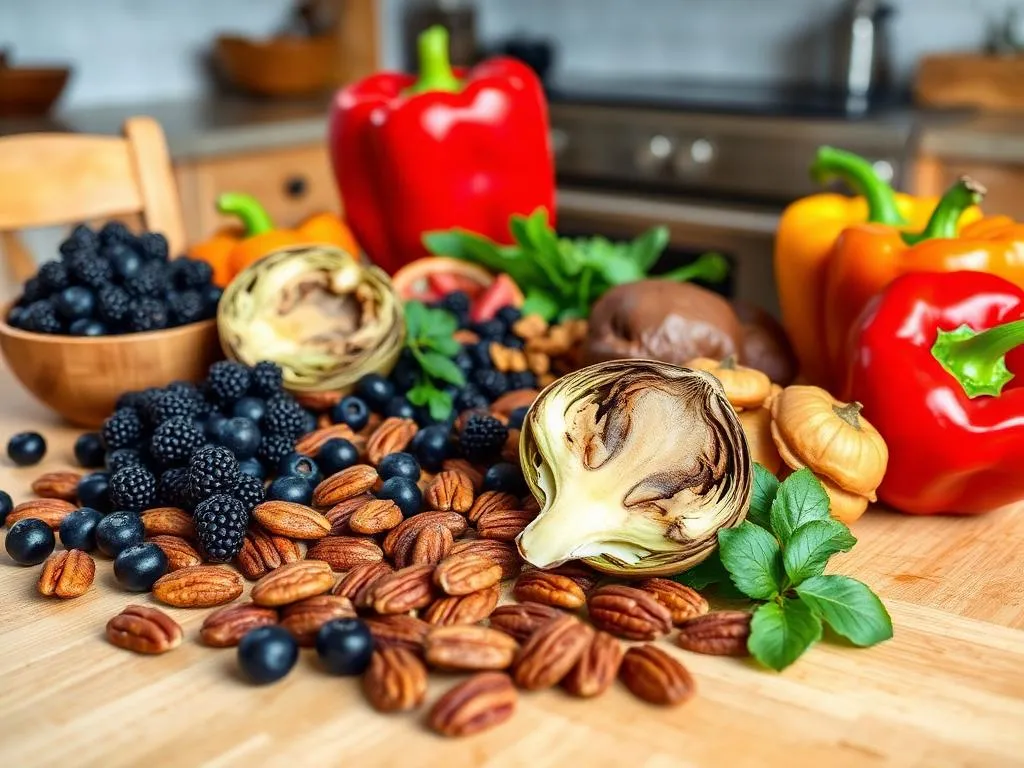
Antioxidant-rich foods
Refers to foods dense in compounds that neutralize reactive oxygen species, vitamins C and E, carotenoids, selenium, and polyphenols, found in colorful produce, nuts, seeds, whole…

Evidence grade: Essential
Carbohydrates
Macronutrients that supply glucose, the brain’s preferred energy source.
Evidence grade: Essential
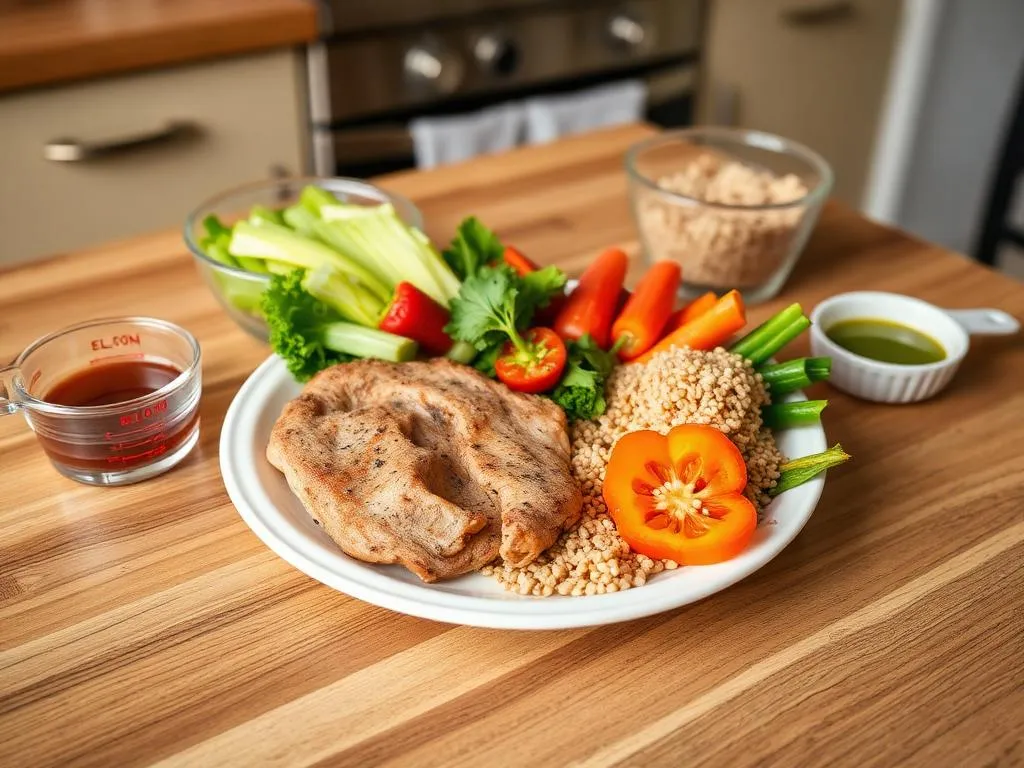
Consume appropriate calories
Matching total caloric intake to individual energy needs, neither chronically excessive nor restrictive, based on age, activity, and goals.
Take control of your brain health
BetterBrain gives you a personalized protocol of techniques like these, backed by science and tailored to you.