Eat · Brain health technique
MIND diet
Evidence grade: Context Dependent
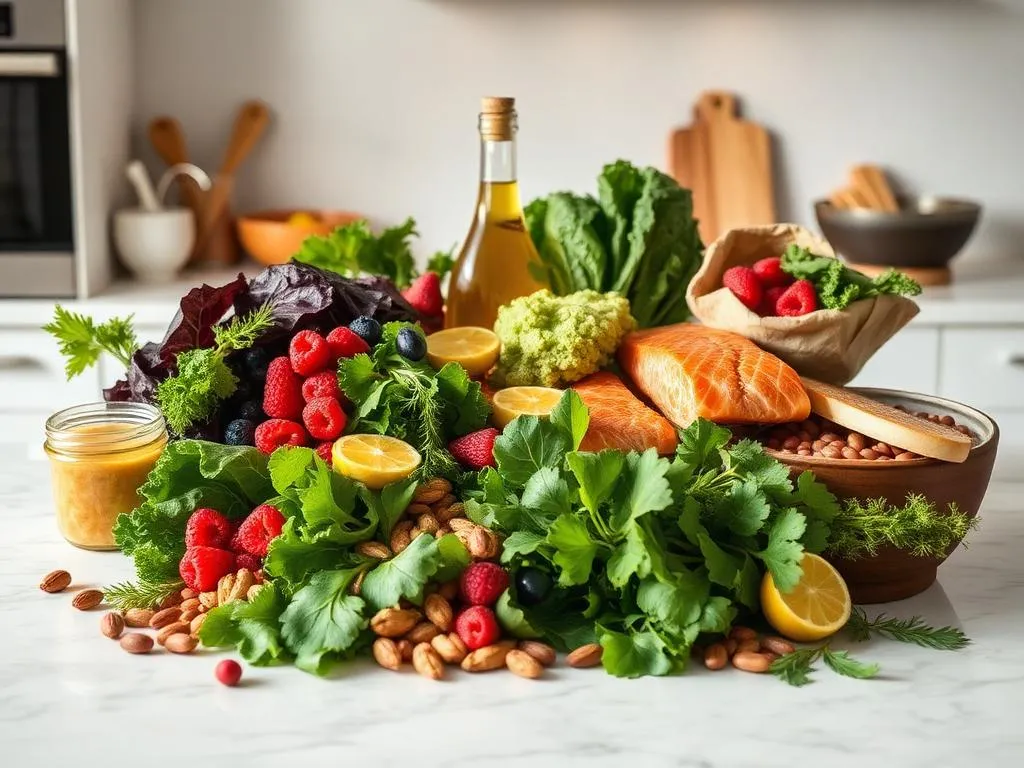
A hybrid of the Mediterranean and DASH diets designed specifically for brain health. It emphasizes leafy greens, berries, nuts, whole grains, beans, olive oil, and fish while limiting red meat, butter, cheese, pastries, and fried food. It operates through antioxidant, anti-inflammatory, and vascular pathways.
- Practice
- Eat
- Principle
- Nourishment
- Tactic
- Holistic Nutritional Strategies
- Evidence grade
- Context Dependent
- Strength of evidence
- Medium
- Effort
- High
- Time commitment
- Low
How to practice MIND diet
Follow the core food groups: daily greens and other vegetables, berries ≥2×/week, nuts most days, beans every other day, fish weekly, and olive oil as primary fat. Minimize processed foods and added sugars. Perfection isn’t required, each point of improvement correlates with measurable cognitive benefit. Affordable swaps (frozen berries, canned beans, bulk grains) maintain most advantages.
The evidence behind MIND diet
The MIND diet combines two well-studied eating patterns: the Mediterranean diet and DASH, an eating plan built to lower blood pressure. The MIND diet's polyphenols and omega-3 fats are thought to lower inflammation and help keep your small blood vessels healthy. Eating this way is linked to lower blood pressure and better metabolic health. Both benefits are well-known ways to protect your heart.
Impact on brain health
Large long-term studies link sticking closely to the MIND diet with up to 50% lower risk of Alzheimer's and slower cognitive decline, across ages and genetic backgrounds and especially in midlife and older adults. One proposed mechanism is that the diet's polyphenols and omega-3 fats lower amyloid. Your brain also gains from lower blood pressure and better metabolic health. Most of this evidence is observational, and trial evidence is still emerging.
Reviewed by BetterBrain's clinical advisors · Updated November 2026 · Our science
More Eat techniques
Pair this with other habits from the same practice.
Evidence grade: Essential
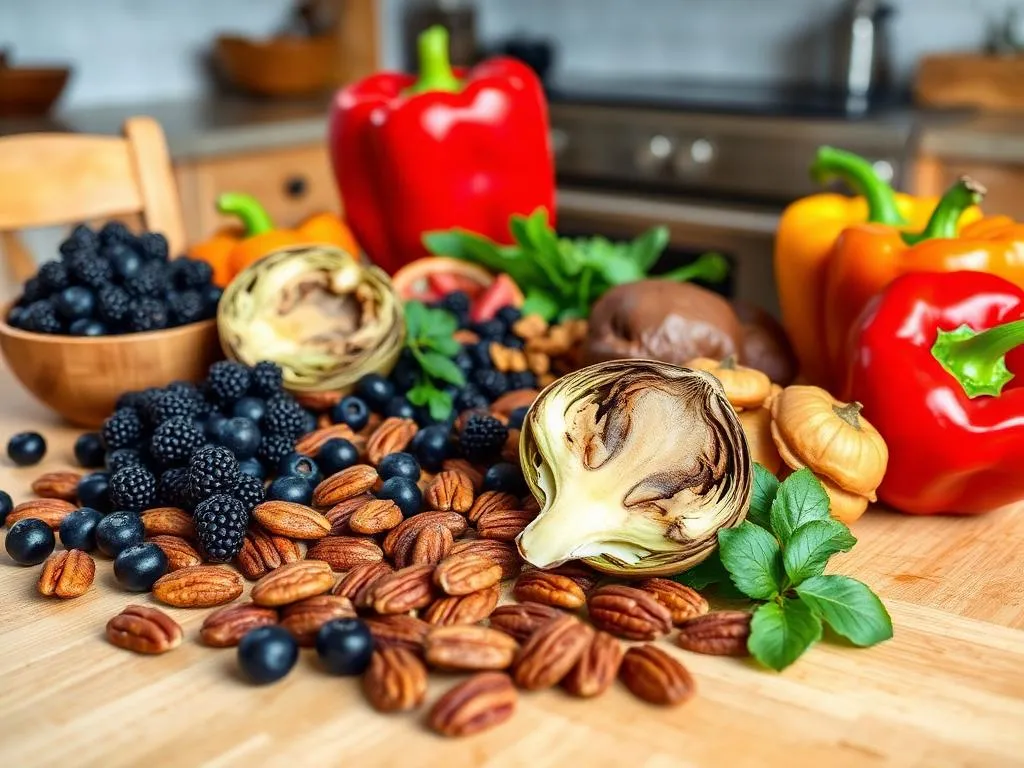
Antioxidant-rich foods
Refers to foods dense in compounds that neutralize reactive oxygen species, vitamins C and E, carotenoids, selenium, and polyphenols, found in colorful produce, nuts, seeds, whole…

Evidence grade: Essential
Carbohydrates
Macronutrients that supply glucose, the brain’s preferred energy source.
Evidence grade: Essential
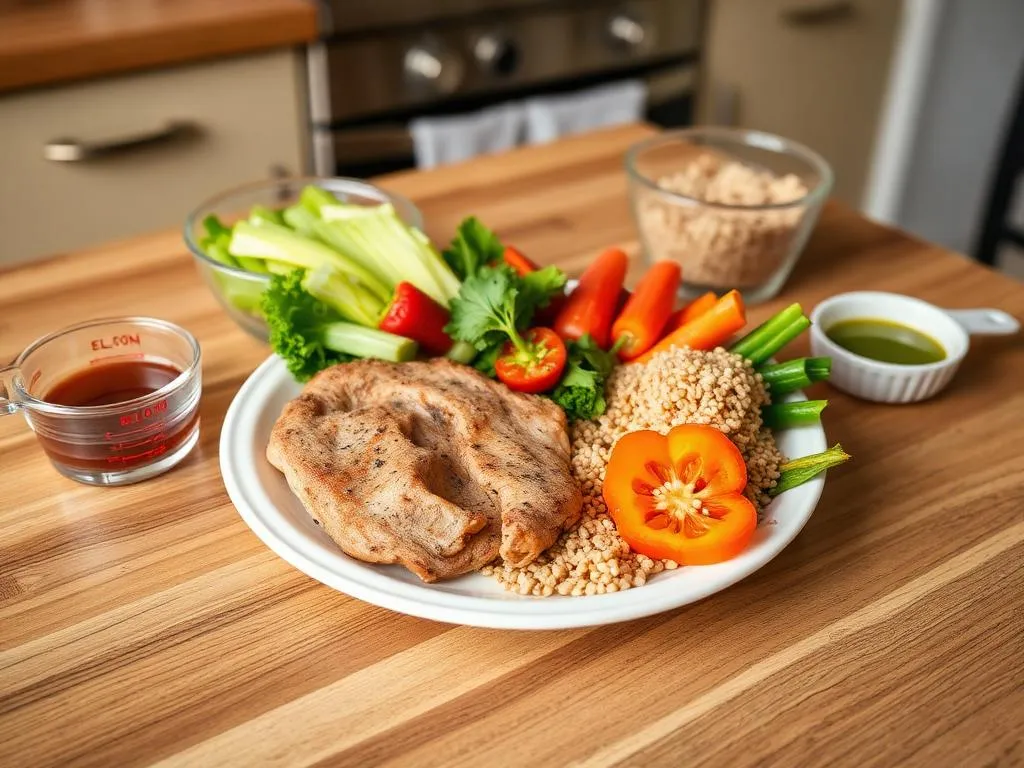
Consume appropriate calories
Matching total caloric intake to individual energy needs, neither chronically excessive nor restrictive, based on age, activity, and goals.
Take control of your brain health
BetterBrain gives you a personalized protocol of techniques like these, backed by science and tailored to you.