Eat · Brain health technique
Minimize added sugars and refined starches
Evidence grade: Essential
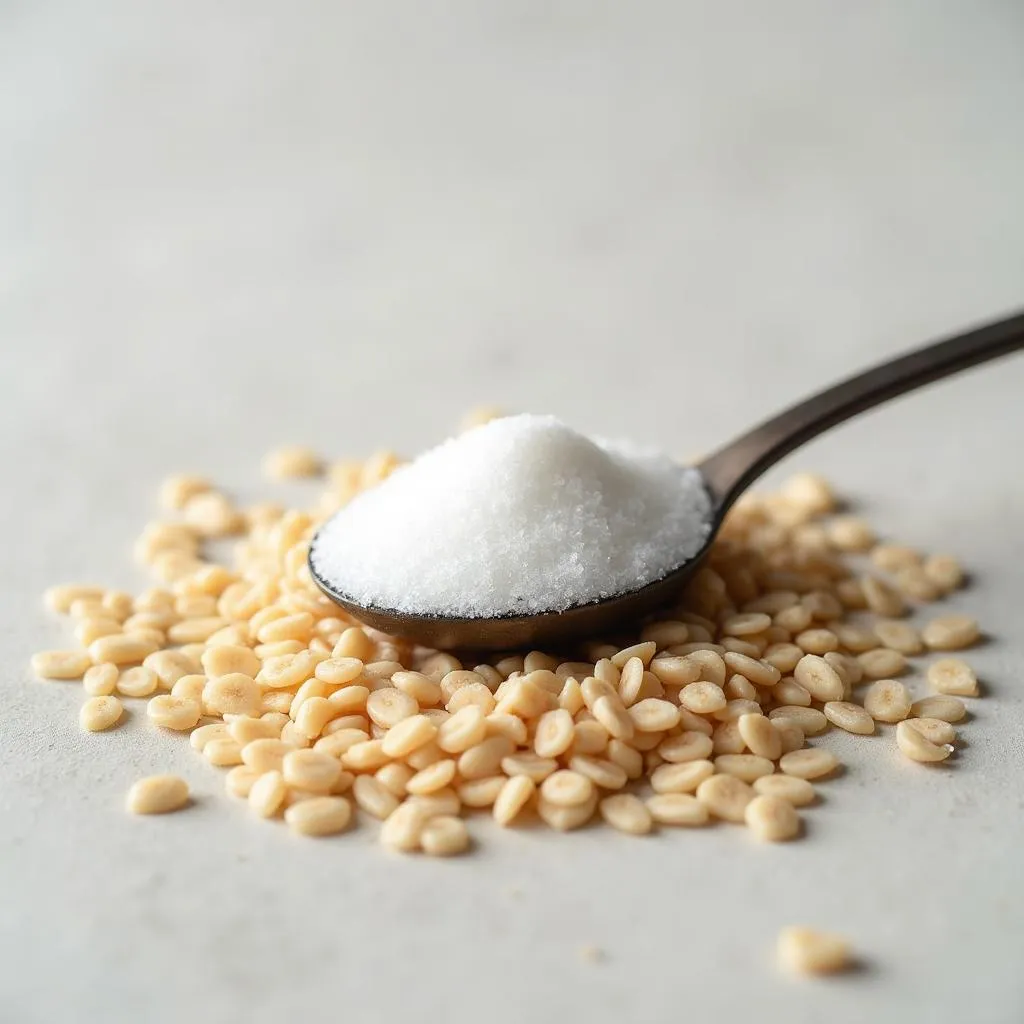
“Added sugars” are sweeteners not naturally found in whole foods (table sugar, syrups). “Refined starches” are finely milled grains missing most fiber, white bread, pastries, white rice, crackers.
- Practice
- Eat
- Principle
- Nourishment
- Tactic
- Other Nutritional Strategies
- Health domains
- gut health, inflammation, metabolic, vascular
- Evidence grade
- Essential
- Strength of evidence
- High
- Cost
- High
- Effort
- High
- Time commitment
- Low
How to practice Minimize added sugars and refined starches
Keep added sugar under 25 grams a day (about six teaspoons). Focus on steady energy from fiber-rich carbs. If consuming simple carbohydrates, try to sequence your eating such that protein and fats are consumed before carbs - this will limit glucose spikes. Walking after eating carbs is similarly very helpful for glucose control. People with diabetes, prediabetes, or an APOE ε4 gene likely benefit from being even stricter.
The evidence behind Minimize added sugars and refined starches
Added sugar and refined starch spike your blood sugar and insulin again and again. Over time, this makes your cells less responsive to insulin. That pattern can lead to pre-diabetes and eventually diabetes if you don't act early. Diabetes in turn raises your risk of heart disease, stroke, kidney disease, and eye problems.
Impact on brain health
Your neurons can become less responsive to insulin too. Poor metabolic health (with diabetes as the extreme case) is very strongly linked to dementia risk. People with better blood-sugar control consistently do better on cognitive assessments of memory and reasoning.
Reviewed by BetterBrain's clinical advisors · Updated November 2026 · Our science
More Eat techniques
Pair this with other habits from the same practice.

Evidence grade: Essential
Antioxidant-rich foods
Refers to foods dense in compounds that neutralize reactive oxygen species, vitamins C and E, carotenoids, selenium, and polyphenols, found in colorful produce, nuts, seeds, whole…

Evidence grade: Essential
Carbohydrates
Macronutrients that supply glucose, the brain’s preferred energy source.

Evidence grade: Essential
Consume appropriate calories
Matching total caloric intake to individual energy needs, neither chronically excessive nor restrictive, based on age, activity, and goals.
Take control of your brain health
BetterBrain gives you a personalized protocol of techniques like these, backed by science and tailored to you.