Eat · Brain health technique
Monounsaturated fats
Evidence grade: Essential
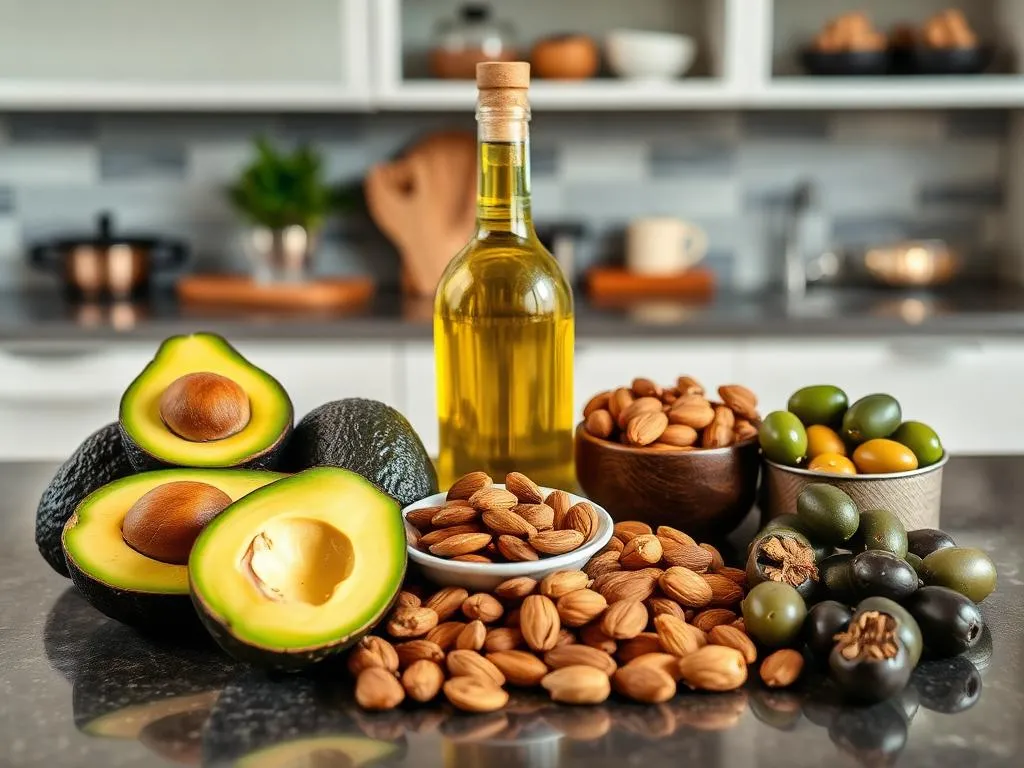
Fats with one double bond, primarily found in olive oil, avocados, nuts, and certain seeds. They are generally more brain healthy than saturated fats as they improve lipid profiles and reduce inflammation. They are a key component of the Mediterranean diet and support vascular and metabolic health.
- Practice
- Eat
- Principle
- Nourishment
- Tactic
- Brain Healthy Foods
- Evidence grade
- Essential
- Strength of evidence
- High
- Cost
- High
- Effort
- Low
- Time commitment
- Low
How to practice Monounsaturated fats
Use olive oil as your main cooking and salad fat, aiming for 2–4 tablespoons per day. Include avocado and nuts regularly. Look for products with higher polyphenol content - ideally over 400 mg/kg. Replace butter or margarine rather than adding oil on top of existing calories. Store oil away from heat and light to prevent oxidation. Benefits come from consistent substitution, not intermittent use.
The evidence behind Monounsaturated fats
Monounsaturated fats help your endothelium work better. These fats may also improve your cholesterol levels. Both effects are good for your heart. Studies show these fats lower oxidative stress. Benefits are strongest when these fats replace refined carbs or saturated fats. There's little evidence of harm, except that eating too much adds extra calories.
Impact on brain health
Large long-term studies link eating more of these fats to lower rates of cognitive decline and Alzheimer's disease. Trials of Mediterranean-style diets rich in olive oil or nuts also link these fats to less cognitive decline. Studies of how these fats work show better blood flow to your brain.
Reviewed by BetterBrain's clinical advisors · Updated November 2026 · Our science
More Eat techniques
Pair this with other habits from the same practice.
Evidence grade: Essential
Antioxidant-rich foods
Refers to foods dense in compounds that neutralize reactive oxygen species, vitamins C and E, carotenoids, selenium, and polyphenols, found in colorful produce, nuts, seeds, whole…

Evidence grade: Essential
Carbohydrates
Macronutrients that supply glucose, the brain’s preferred energy source.

Evidence grade: Essential
Consume appropriate calories
Matching total caloric intake to individual energy needs, neither chronically excessive nor restrictive, based on age, activity, and goals.
Take control of your brain health
BetterBrain gives you a personalized protocol of techniques like these, backed by science and tailored to you.