Therapy · Brain health technique
Neuro-optometric / Vision Therapy
Evidence grade: Context Dependent
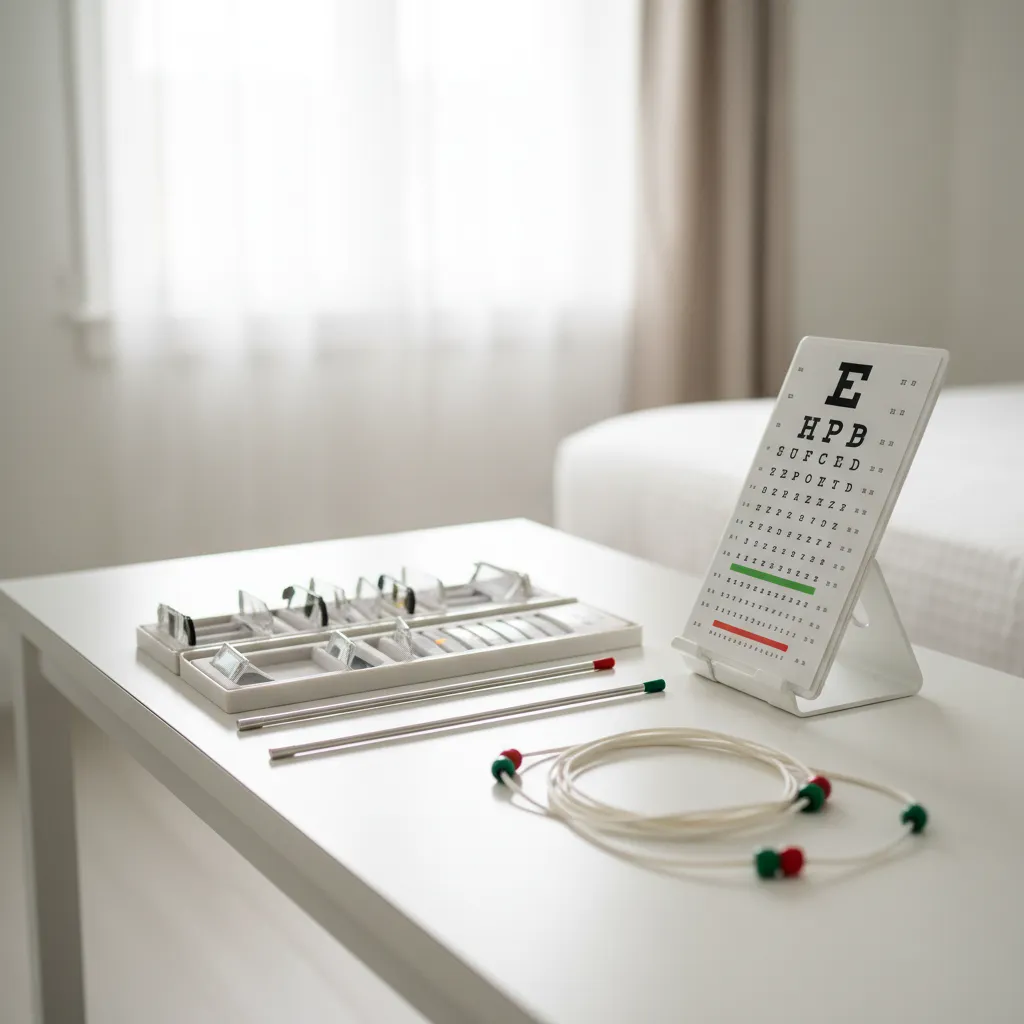
A rehabilitation program that uses targeted visual exercises, eye-tracking tasks, and perceptual-motor activities to improve eye coordination, focus, depth perception, and visual processing speed, often after concussion, stroke, or developmental visual deficits.
- Practice
- Therapy
- Principle
- Treatment
- Tactic
- Brain-directed & Cognitive
- Evidence grade
- Context Dependent
- Strength of evidence
- Medium
How to practice Neuro-optometric / Vision Therapy
Administered by neuro-optometrists or vision therapists 1–2 times weekly, with home exercises (5–15 minutes daily). Programs typically last 8–12 weeks. Effectiveness depends on individualized assessment and adherence. Avoid generalized “vision training” claims unrelated to documented oculomotor or perceptual deficits.
The evidence behind Neuro-optometric / Vision Therapy
Evidence supports vision therapy for certain issues like convergence insufficiency, eye-movement problems after a concussion, and for some reading or attention issues. Benefits often extend to reading comfort, motion sensitivity, and balance.
Impact on brain health
The repeated eye and movement drills strengthen the brain pathways that link what you see with where you focus your attention. Evidence that vision therapy improves performance across cognitive domains is weak.
Reviewed by BetterBrain's clinical advisors · Updated November 2026 · Our science
More Therapy techniques
Pair this with other habits from the same practice.

Evidence grade: Context Dependent
Blood Pressure Control
Medical and lifestyle management to maintain optimal blood pressure (typically <120/80 mmHg) through antihypertensive medications, dietary sodium reduction, exercise, and stress m…

Evidence grade: Context Dependent
Blood Sugar Management
Prevention and treatment of insulin resistance and diabetes through medication, diet, and activity to maintain fasting glucose <100 mg/dL and HbA1c <5.7% when possible.

Evidence grade: Context Dependent
Cholesterol and Vascular Health Management
Comprehensive lipid and endothelial health optimization through statins, diet, exercise, and vascular-protective agents to prevent atherosclerosis and maintain cerebral blood flow.
Take control of your brain health
BetterBrain gives you a personalized protocol of techniques like these, backed by science and tailored to you.